Pathophysiology of Coronary Artery Disease: Coronary artery disease (CAD) is a cardiovascular condition in which the coronary arteries become narrowed or obstructed, reducing the supply of oxygen-rich blood to the heart muscle. It most commonly develops due to atherosclerosis, a process involving the accumulation of cholesterol, lipids, inflammatory cells, and fibrous tissue in the arterial walls.
When coronary blood flow becomes insufficient to meet the oxygen requirements of the myocardium, myocardial ischaemia occurs. This may cause angina pectoris and, in severe cases, myocardial infarction. If coronary artery disease progresses over time, it may also impair cardiac function and contribute to heart failure.
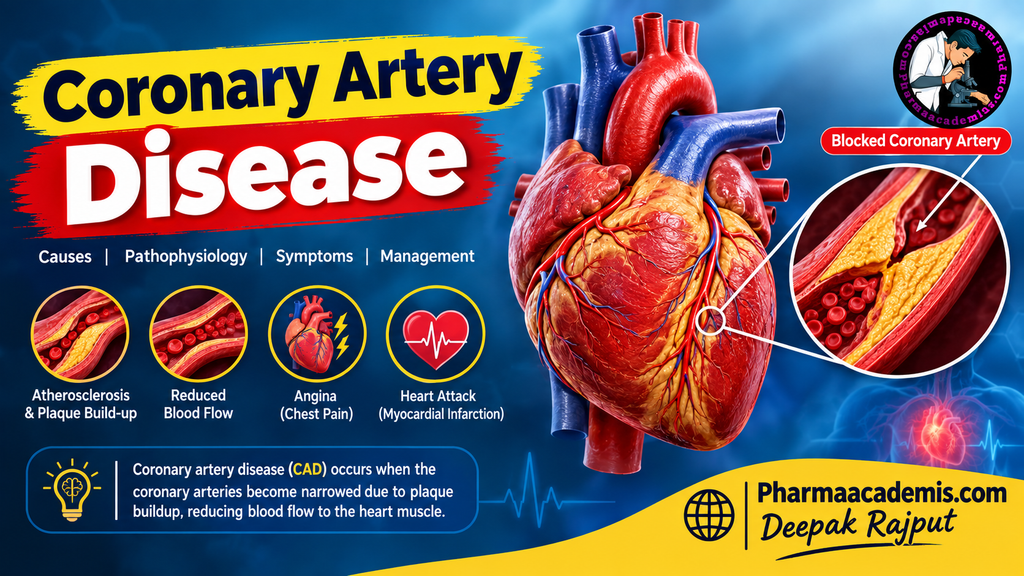
Pathophysiology of Coronary Artery Disease
Coronary artery disease develops through progressive changes in the coronary arteries that interfere with normal blood flow to the myocardium.
1. Endothelial Dysfunction
The endothelium is the inner lining of the coronary arteries. Factors such as hypertension, smoking, diabetes mellitus, and high LDL cholesterol can impair its normal function.
Endothelial dysfunction increases the entry and retention of LDL cholesterol in the arterial wall and promotes inflammation. It may also reduce the normal ability of blood vessels to dilate, contributing to impaired coronary blood flow.
2. Formation of Atherosclerotic Plaques
LDL cholesterol accumulates within the inner layer of the coronary artery and undergoes chemical modification. This attracts monocytes, which enter the arterial wall and develop into macrophages.
Macrophages take up modified LDL and become lipid-filled foam cells. As inflammation continues, smooth muscle cells migrate into the inner arterial layer and produce collagen and other extracellular materials. These substances form a fibrous cap over a lipid-rich core, creating an atherosclerotic plaque.
3. Narrowing of Coronary Arteries
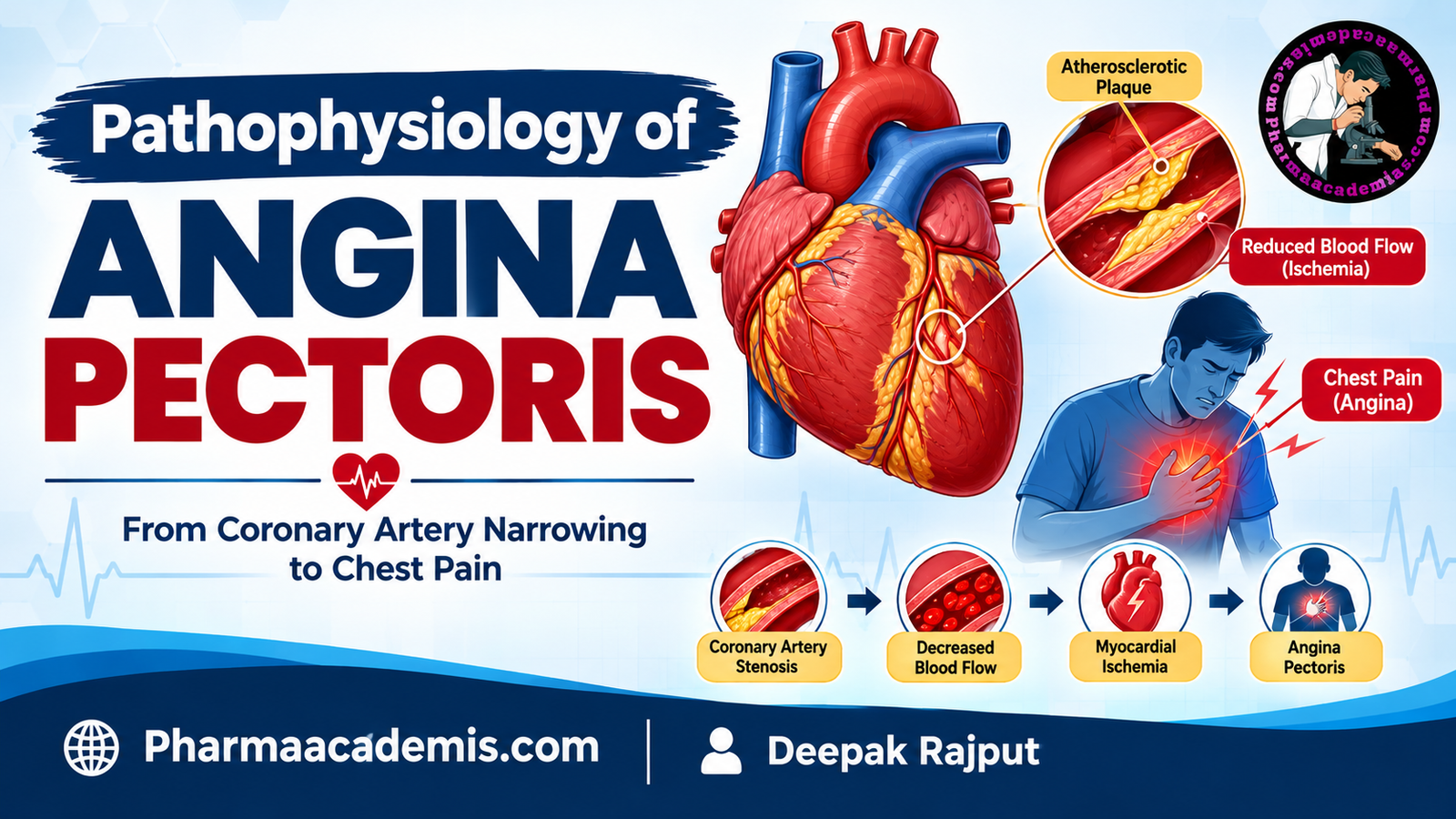
As atherosclerotic plaques enlarge, they may narrow the coronary artery lumen and restrict blood flow to the myocardium. The reduced blood supply becomes particularly important during exercise or emotional stress, when the heart requires more oxygen.
If the coronary arteries cannot deliver sufficient oxygen-rich blood, myocardial ischaemia develops. This may cause chest pain or discomfort known as angina pectoris.
4. Plaque Rupture and Thrombus Formation
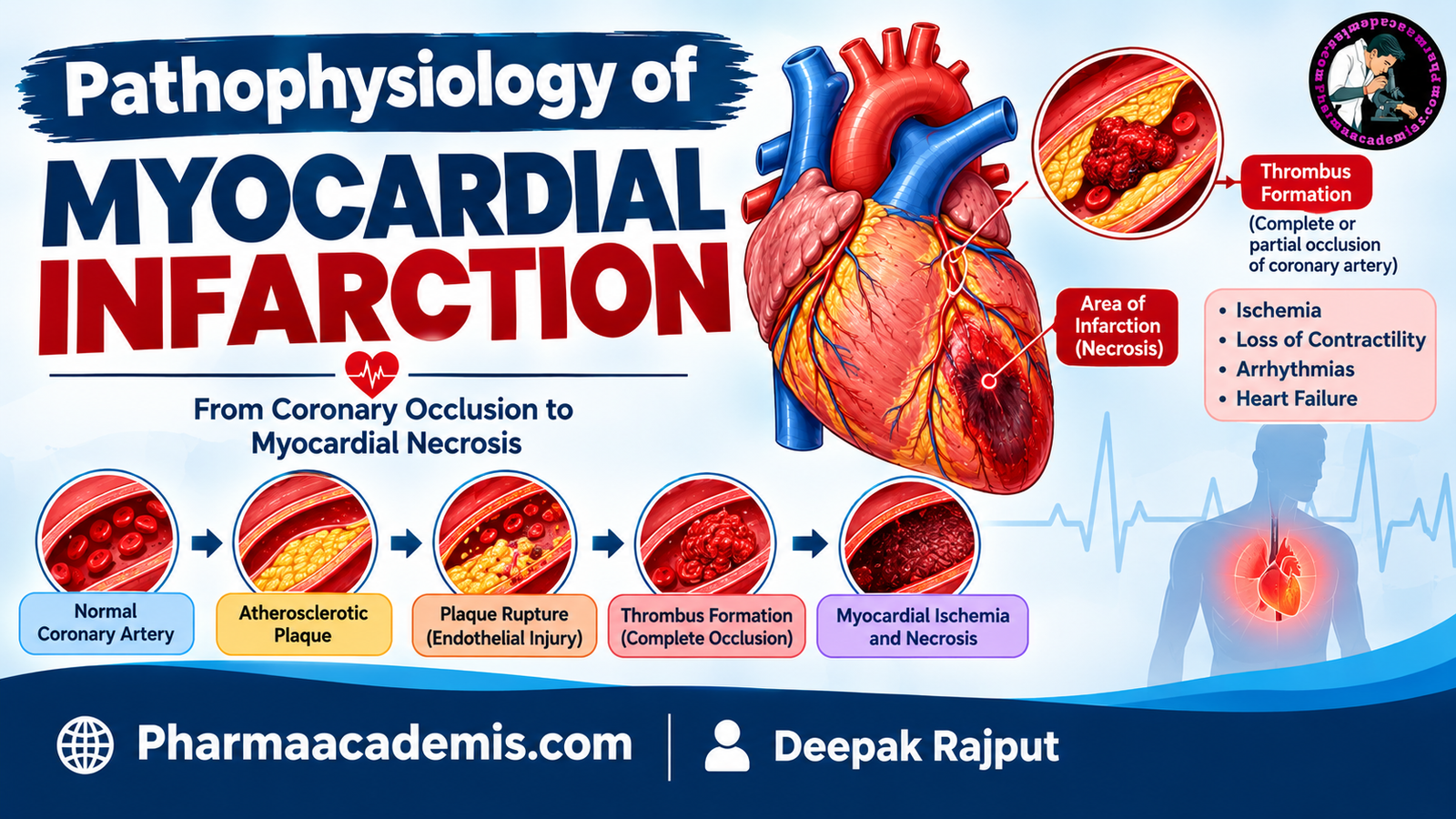
Some atherosclerotic plaques become unstable and may rupture or undergo erosion. When the contents of the plaque become exposed to circulating blood, platelets are activated and the coagulation system produces a thrombus.
The thrombus may partially or completely obstruct the coronary artery, causing an abrupt reduction in blood flow. This can result in an acute coronary syndrome, including unstable angina or myocardial infarction, depending on the extent and duration of ischaemia and whether myocardial cell death occurs.
5. Myocardial Ischaemia and Damage
Reduced coronary blood flow decreases the oxygen available to cardiac muscle cells. This limits aerobic metabolism and ATP production, impairing normal cellular function and myocardial contraction.
Temporary ischaemia may cause reversible dysfunction and angina. If severe ischaemia persists, irreversible myocardial injury and necrosis may occur, resulting in myocardial infarction.
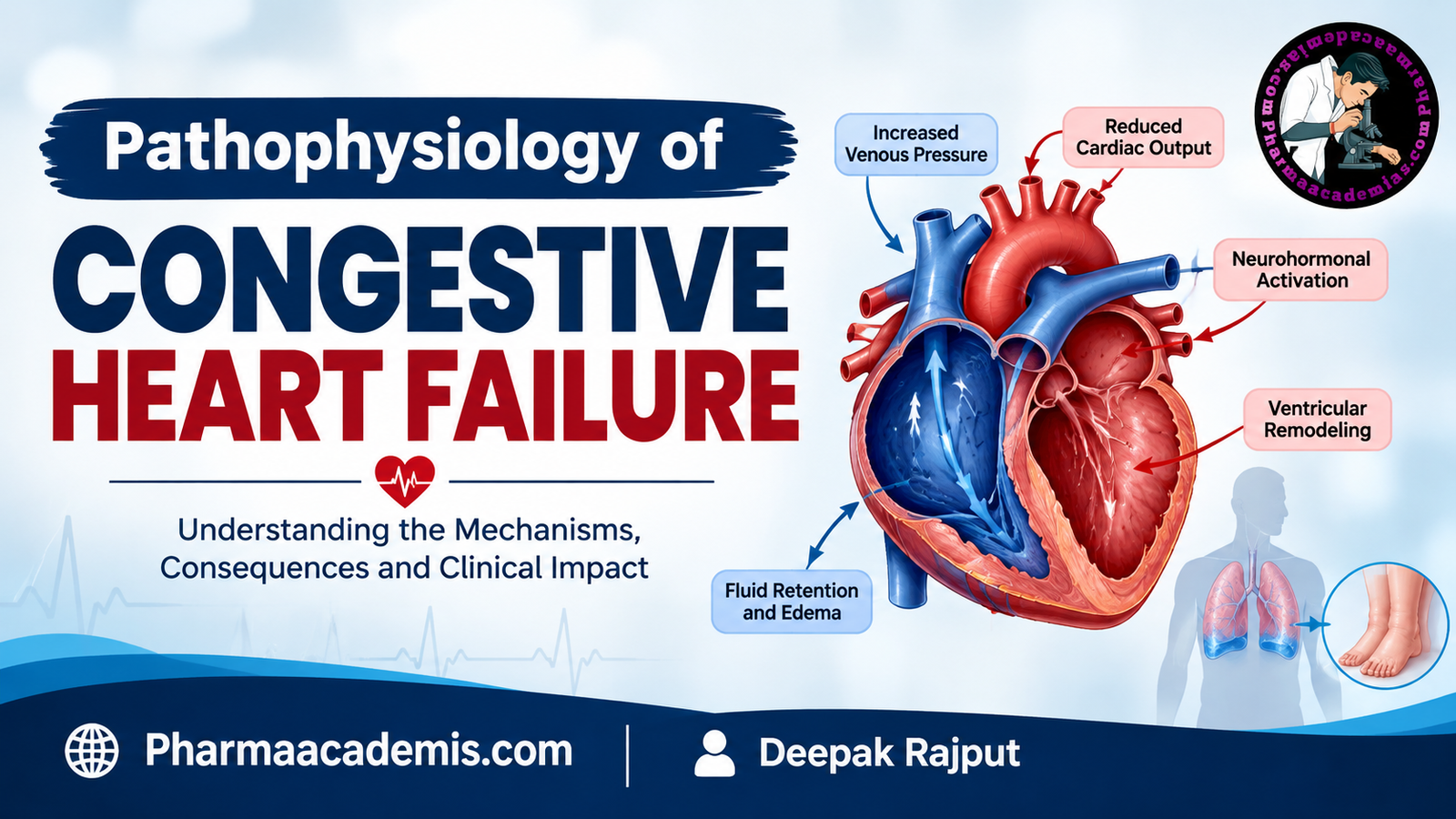
Repeated or prolonged ischaemia can weaken cardiac function and contribute to the development of heart failure.
6. Coronary Artery Spasm and Other Mechanisms
Although atherosclerosis is the most common cause of coronary artery disease, temporary constriction of a coronary artery can also reduce blood flow. This is known as coronary artery spasm.
Abnormal coronary microvascular function may also impair blood supply even when the major coronary arteries do not have severe obstructive plaques. These mechanisms can produce myocardial ischaemia and angina.
Risk Factors for Coronary Artery Disease
The major risk factors include high LDL cholesterol, hypertension, smoking, diabetes mellitus, obesity, physical inactivity, and an unhealthy diet. Increasing age and a family history of premature cardiovascular disease also increase the risk.
These factors can promote endothelial dysfunction, inflammation, plaque formation, and progression of coronary artery narrowing.
Clinical Manifestations
The common manifestations of coronary artery disease include chest pain or pressure, breathlessness, fatigue, and reduced exercise tolerance. Angina often occurs when the heart’s oxygen demand increases.
In some patients, coronary artery disease may remain undetected until an acute coronary event occurs. Myocardial infarction may present with persistent chest discomfort, sweating, nausea, and pain radiating to the arm, jaw, shoulder, or back.
Conclusion
Coronary artery disease most commonly develops due to atherosclerotic plaque formation in the coronary arteries. Endothelial dysfunction, LDL accumulation, inflammation, and fibrous plaque formation progressively restrict coronary blood flow. Plaque rupture and thrombus formation can cause sudden obstruction, leading to acute coronary syndromes and myocardial infarction. Reduced oxygen supply to the myocardium is the central mechanism responsible for the major clinical complications of coronary artery disease.
Editorial Note
This article has been carefully researched and written by Deepak Rajput with a focus on accuracy, clarity, and evidence-based healthcare information. Pharmaacademias.com