Herbal Medicines and Dietary Supplements: Since ancient times, humans have relied on plants and natural substances for maintaining health and treating diseases. Traditional systems of medicine such as Ayurveda, Unani, Siddha, Traditional Chinese Medicine, and folk medicine have used herbal remedies for thousands of years. Even with the rapid development of synthetic pharmaceuticals, herbal medicines continue to play a major role in healthcare throughout the world.
In recent decades, there has been a remarkable increase in global interest in herbal medicines and dietary supplements. People increasingly prefer natural products because they are often perceived as safer, more affordable, and associated with fewer side effects than synthetic drugs. Growing awareness regarding preventive healthcare, wellness, immunity enhancement, and healthy lifestyles has also contributed to the popularity of these products.
Herbal medicines and dietary supplements are now widely used for the prevention and management of various health conditions such as digestive disorders, stress, insomnia, obesity, diabetes, cardiovascular diseases, arthritis, and immune deficiencies. The pharmaceutical, nutraceutical, and herbal industries have expanded rapidly due to increasing consumer demand for natural healthcare products.
Although herbal medicines and dietary supplements are often grouped together, they differ in their definitions, purposes, regulation, and therapeutic claims. Understanding these differences is important in pharmacognosy and healthcare sciences.
Herbal Medicines and Dietary Supplements
Herbal Medicines
Herbal medicines are medicinal products derived from plants or plant parts and used for therapeutic purposes. These medicines may contain whole plants, plant extracts, purified plant constituents, or combinations of herbal substances.
According to the World Health Organization (WHO):
“Herbal medicines are finished, labeled medicinal products that contain active ingredients obtained from aerial or underground parts of plants or other plant material.”
Herbal medicines are used for prevention, diagnosis, treatment, and management of diseases. They may be prepared in the form of powders, extracts, tablets, capsules, syrups, tinctures, decoctions, ointments, oils, or teas.
Sources of Herbal Medicines
Herbal medicines are obtained mainly from medicinal plants. Different plant parts may be used depending on the therapeutic constituent present.
These include:
- Roots
- Rhizomes
- Bark
- Leaves
- Flowers
- Fruits
- Seeds
- Latex
- Whole plant
Examples:
- Ginger from rhizome
- Senna from leaves
- Clove from flower buds
- Fennel from fruits
- Isabgol from seeds
Historical Importance of Herbal Medicines
Herbal medicine represents one of the oldest forms of healthcare known to humanity. Ancient civilizations such as Indian, Chinese, Egyptian, Greek, and Roman cultures extensively used medicinal plants.
The Ayurvedic system of medicine in India describes thousands of herbal remedies for various diseases. Similarly, Traditional Chinese Medicine uses numerous plant-based formulations.
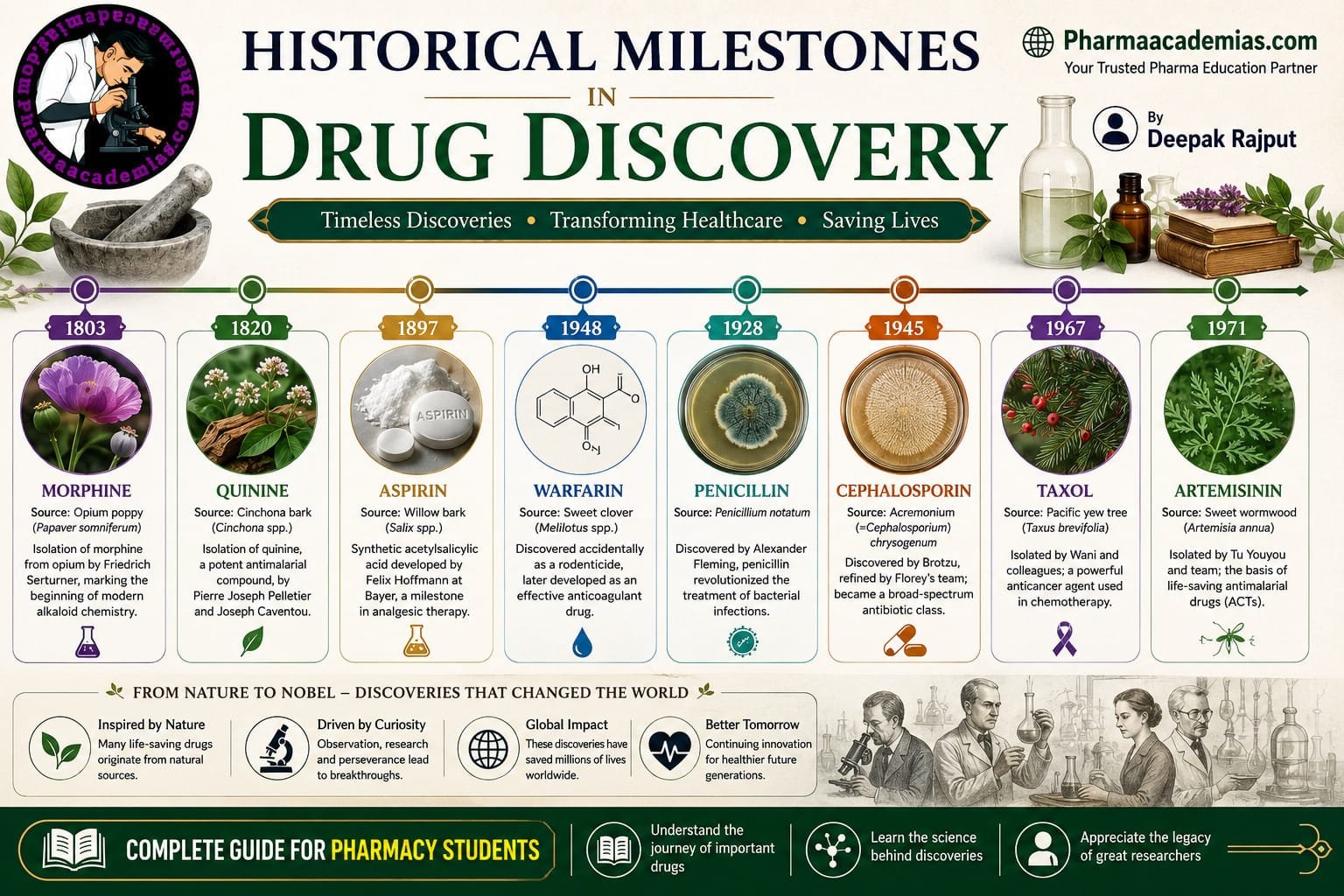
Many modern drugs originated from herbal medicines, including:
- Morphine from opium poppy
- Quinine from cinchona
- Digoxin from digitalis
- Atropine from belladonna
- Artemisinin from Artemisia annua
Thus, herbal medicines have significantly contributed to the development of modern pharmacotherapy.
Classification of Herbal Medicines
Herbal medicines may be classified in several ways.
Based on Traditional Systems
Ayurvedic Medicines: Derived from the Ayurvedic system of medicine and prepared using herbs, minerals, and natural substances.
Unani Medicines: Based on Greek-Arabic traditional medicine using herbal and natural preparations.
Siddha Medicines: Traditional South Indian system utilizing medicinal plants and minerals.
Chinese Herbal Medicines: Prepared according to Traditional Chinese Medicine principles.
Based on Preparation
Crude Herbal Drugs: Simple dried plant materials such as leaves, bark, roots, and seeds.
Herbal Extracts: Concentrated preparations obtained by extracting active constituents using solvents.
Polyherbal Formulations: Preparations containing multiple herbs combined for synergistic therapeutic effects.
Active Constituents of Herbal Medicines
The therapeutic activity of herbal medicines is mainly due to secondary metabolites present in plants.
Important active constituents include:
- Alkaloids
- Glycosides
- Flavonoids
- Tannins
- Volatile oils
- Saponins
- Terpenoids
- Resins
- Steroids
These compounds produce various pharmacological effects such as analgesic, anti-inflammatory, antimicrobial, antioxidant, cardiotonic, and anticancer activities.
Advantages of Herbal Medicines
Herbal medicines offer several advantages that contribute to their popularity.
One major advantage is their natural origin, which increases public acceptance. Many herbal drugs are considered relatively safer when used properly.
Herbal medicines are often more affordable and accessible, especially in developing countries. They are also culturally accepted because traditional medicinal systems have been practiced for centuries.
Another advantage is that herbal medicines frequently contain multiple active constituents capable of producing synergistic therapeutic effects.
Many herbs also possess antioxidant and immunomodulatory properties that support general health and wellness.
Limitations of Herbal Medicines
Despite their benefits, herbal medicines have several limitations.
One major problem is variability in chemical composition due to differences in climate, soil, cultivation, harvesting, and storage conditions. This can affect therapeutic effectiveness.
Adulteration and contamination of herbal products are also common concerns. Heavy metals, pesticides, microorganisms, and substitution with incorrect plant species may compromise safety.
Scientific evidence regarding efficacy and safety may be insufficient for some herbal medicines. Improper dosage and self-medication can also cause adverse effects and herb-drug interactions.
For example:
- St. John’s Wort may interact with antidepressants and oral contraceptives.
- Ginkgo may increase bleeding risk with anticoagulants.
- Excessive licorice consumption may cause hypertension.
Therefore, standardization and quality control are essential in herbal medicine.
Standardization of Herbal Medicines
Standardization refers to establishing consistent quality and therapeutic activity of herbal products.
This involves:
- Botanical identification
- Evaluation of active constituents
- Purity testing
- Detection of adulterants
- Microbial testing
- Stability studies
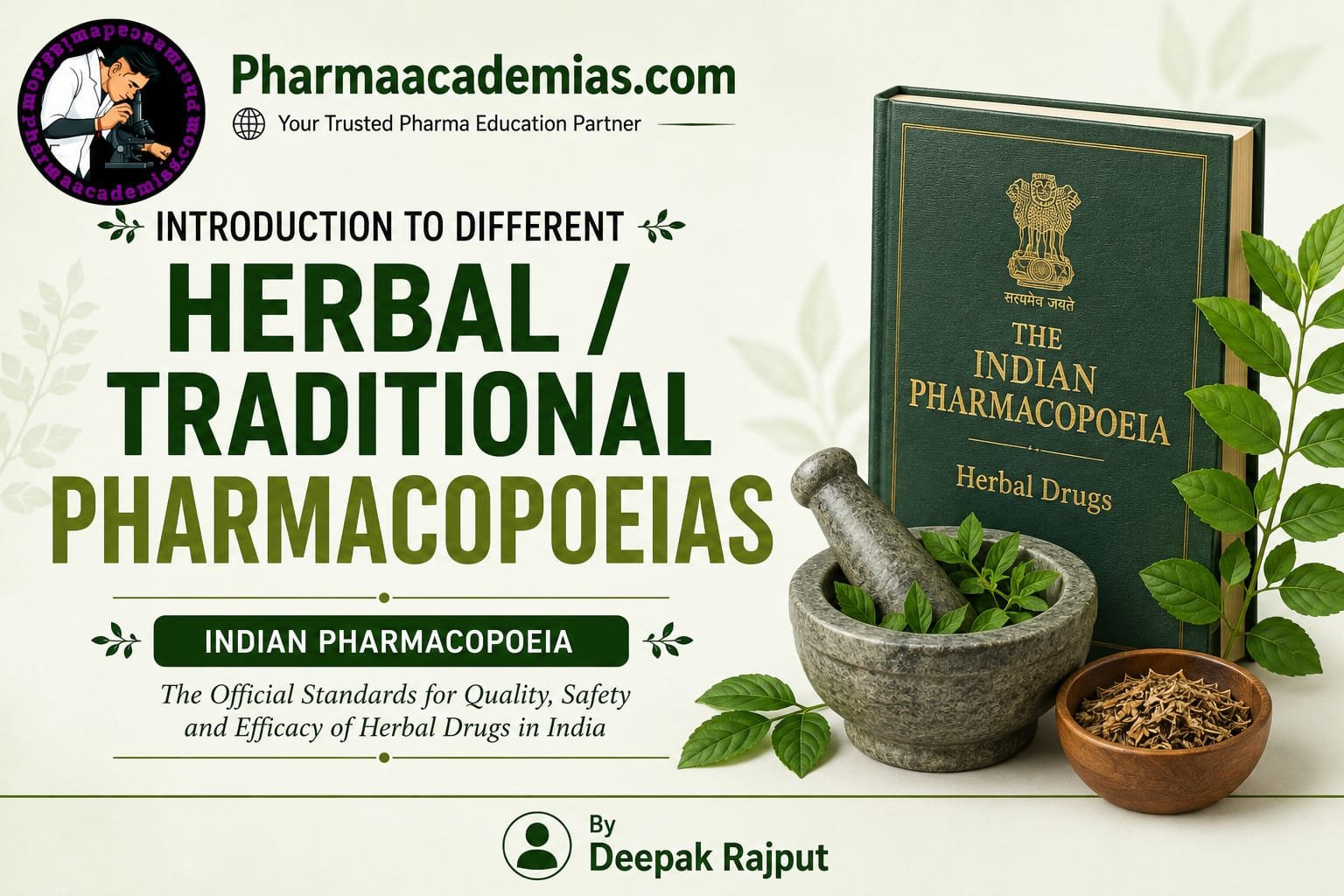
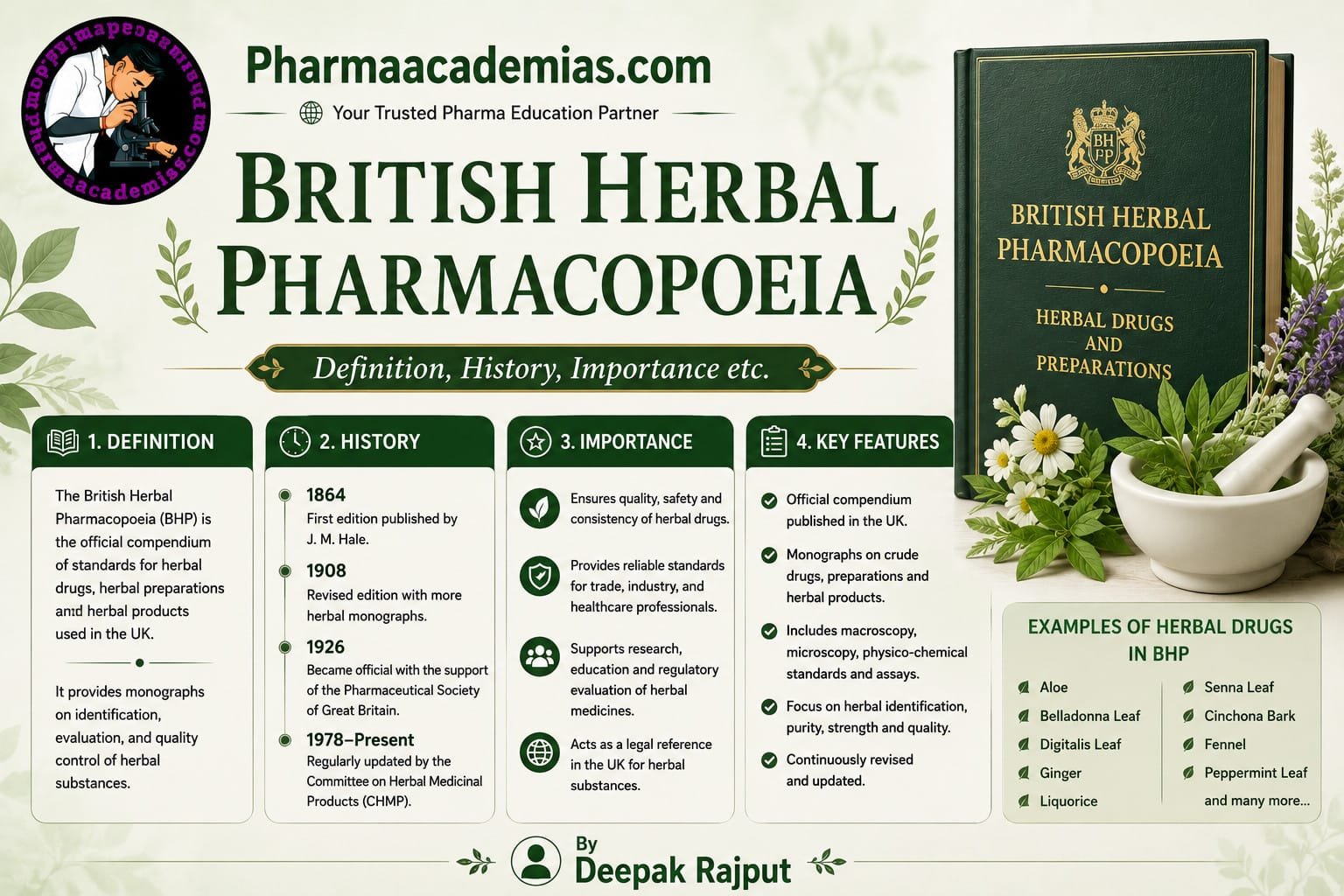
Pharmacopoeias such as:
- Indian Pharmacopoeia
- British Herbal Pharmacopoeia
- United States Pharmacopeia
provide standards for herbal medicines.
Dietary Supplements
Dietary supplements are products intended to supplement the normal diet by providing nutrients or biologically active substances.
According to the Dietary Supplement Health and Education Act (DSHEA) of the United States:
“A dietary supplement is a product intended to supplement the diet and contains one or more dietary ingredients such as vitamins, minerals, herbs, amino acids, enzymes, or other substances.”
Dietary supplements are generally marketed in forms such as:
- Tablets
- Capsules
- Powders
- Soft gels
- Liquids
- Gummies
Unlike conventional drugs, dietary supplements are mainly intended to support health and nutrition rather than cure diseases.
Types of Dietary Supplements
Dietary supplements include a wide variety of products.
Vitamin Supplements
Used to prevent or correct vitamin deficiencies.
Examples:
- Vitamin C
- Vitamin D
- Vitamin B-complex
Mineral Supplements
Provide essential minerals required for physiological functions.
Examples:
- Calcium
- Iron
- Zinc
- Magnesium
Herbal Supplements
Contain herbs or plant extracts used for health promotion.
Examples:
- Ginseng
- Garlic
- Echinacea
- Turmeric
Protein and Amino Acid Supplements
Used for muscle growth, nutrition, and metabolic support.
Examples:
- Whey protein
- Branched-chain amino acids
Probiotics
Contain beneficial microorganisms that support intestinal health.
Examples:
- Lactobacillus
- Bifidobacterium
Omega-3 Fatty Acid Supplements
Used for cardiovascular and brain health.
Usually obtained from fish oils or flaxseed oil.
Functions of Dietary Supplements
Dietary supplements are used for several purposes.
They help maintain nutritional balance and prevent deficiencies. Many supplements support immunity, bone health, cardiovascular health, digestion, mental performance, and general wellness.
Athletes and bodybuilders often use supplements to improve physical performance and recovery.
Some dietary supplements also possess antioxidant properties that may reduce oxidative stress and aging-related damage.
Difference Between Herbal Medicines and Dietary Supplements
Although herbal medicines and dietary supplements overlap in some cases, important differences exist.
Herbal medicines are mainly intended for therapeutic purposes and disease management. Dietary supplements primarily support nutrition and general health.
Herbal medicines often contain medicinal plant preparations with pharmacological activity, whereas dietary supplements may contain vitamins, minerals, amino acids, or herbs.
The regulatory requirements for herbal medicines are generally stricter because they may claim therapeutic effects.
Regulation of Herbal Medicines and Dietary Supplements
The regulation of herbal medicines and dietary supplements varies among countries.
In India, herbal medicines are regulated under AYUSH systems and the Drugs and Cosmetics Act.
In the United States, dietary supplements are regulated by the U.S. Food and Drug Administration under DSHEA.
Quality standards are established by organizations such as:
- World Health Organization
- United States Pharmacopeial Convention
- Indian Pharmacopoeia Commission
These organizations help ensure product quality, safety, labeling accuracy, and manufacturing standards.
Global Market and Importance
The global market for herbal medicines and dietary supplements has expanded enormously due to increasing consumer interest in preventive healthcare and natural therapies.
Factors contributing to market growth include:
- Rising health awareness
- Aging population
- Lifestyle diseases
- Interest in immunity enhancement
- Demand for natural wellness products
Herbal and nutraceutical industries now represent important sectors of pharmaceutical and healthcare economies.
Challenges Associated with Herbal Medicines and Dietary Supplements
Despite their popularity, several challenges remain.
Lack of standardization, poor quality control, adulteration, false claims, contamination, and insufficient clinical evidence remain major concerns.
Some products may contain undeclared pharmaceutical substances or harmful contaminants.
Scientific validation through clinical trials and toxicological studies is necessary to ensure safety and efficacy.
Future Prospects
The future of herbal medicines and dietary supplements is highly promising. Advances in:
- Pharmacognosy
- Phytochemistry
- Biotechnology
- Genomics
- Nanotechnology
are improving the quality and effectiveness of natural healthcare products.
Modern research is increasingly focused on:
- Isolation of active compounds
- Herbal drug standardization
- Evidence-based herbal therapy
- Development of phytopharmaceuticals
- Personalized nutrition
Integration of traditional medicine with modern healthcare systems is also increasing worldwide.
Conclusion
Herbal medicines and dietary supplements play an important role in healthcare and wellness throughout the world. Herbal medicines, derived mainly from medicinal plants, have been used for centuries for disease prevention and treatment. Dietary supplements help maintain nutritional balance and promote overall health.
Both categories contribute significantly to preventive healthcare and natural therapeutics. However, proper standardization, scientific evaluation, regulation, and quality control are essential to ensure their safety and effectiveness.
With increasing global interest in natural products and wellness-oriented healthcare, herbal medicines and dietary supplements are expected to remain important components of modern healthcare systems and pharmaceutical sciences.