Pregnancy and parturition (childbirth) are physiological processes that involve the development and birth of offspring in mammals, including humans. These processes are complex and involve intricate interactions between maternal physiology, fetal development, hormonal regulation, and structural adaptations.
Pregnancy
Pregnancy begins with fertilization of an egg by sperm, leading to the formation of a zygote. The zygote undergoes multiple divisions, forming a blastocyst that implants into the uterine lining, initiating pregnancy. The duration of human pregnancy is approximately 40 weeks, divided into three trimesters:
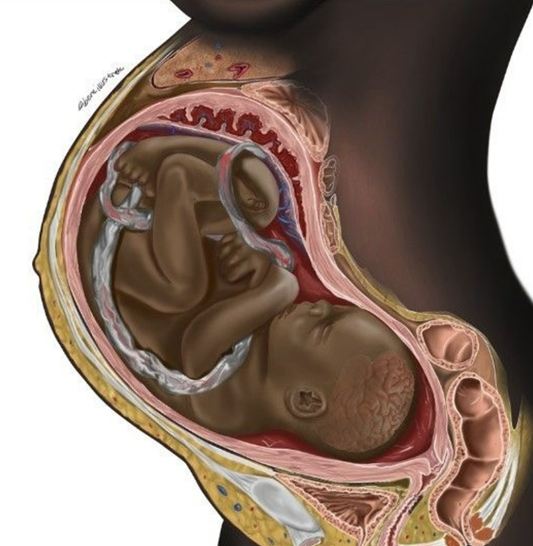
1. First Trimester of Pregnancy
Embryo Development: During the first 12 weeks, major organs and structures form from the developing embryo. The placenta, which connects the developing fetus to the uterine wall, begins to develop.
Hormonal Changes: Levels of estrogen and progesterone rise to support pregnancy and maintain the uterine lining.
Early Pregnancy Symptoms: Women may experience nausea (morning sickness), fatigue, breast tenderness, and mood swings.
2. Second Trimester of Pregnancy
Fetal Development: The fetus continues to grow rapidly, with bones, muscles, and organs developing further.
Movement: The mother starts feeling fetal movements (quickening) as the fetus becomes more active.
Maternal Adaptations: The uterus expands to accommodate fetal growth. Hormonal changes continue, influencing maternal metabolism and preparing the breasts for lactation.

3. Third Trimester of Pregnancy
Fetal Growth: The fetus gains significant weight and matures in preparation for birth.
Maternal Changes: Discomforts such as backache, heartburn, and shortness of breath may increase as the uterus expands.
Labor Preparation: Braxton Hicks contractions (practice contractions) may occur, preparing the uterus for labor.
Lightening: The fetus may descend into the pelvis, relieving pressure on the diaphragm but increasing pressure on the bladder.
Hormonal Regulation During Pregnancy
Pregnancy hormones play crucial roles in maternal and fetal health:
Human Chorionic Gonadotropin (hCG): Produced by the placenta, hCG maintains the corpus luteum to sustain early pregnancy and stimulates progesterone production.
Progesterone: Maintains the uterine lining and prevents contractions that could lead to premature labor.
Estrogen: Supports fetal development and prepares the breasts for lactation.
Relaxin: Helps relax pelvic ligaments in preparation for childbirth.
Oxytocin: Stimulates uterine contractions during labor and milk ejection during breastfeeding.
Parturition (Childbirth)
Childbirth is the process of delivering the fetus and placenta from the uterus to the outside world. It is divided into three stages:
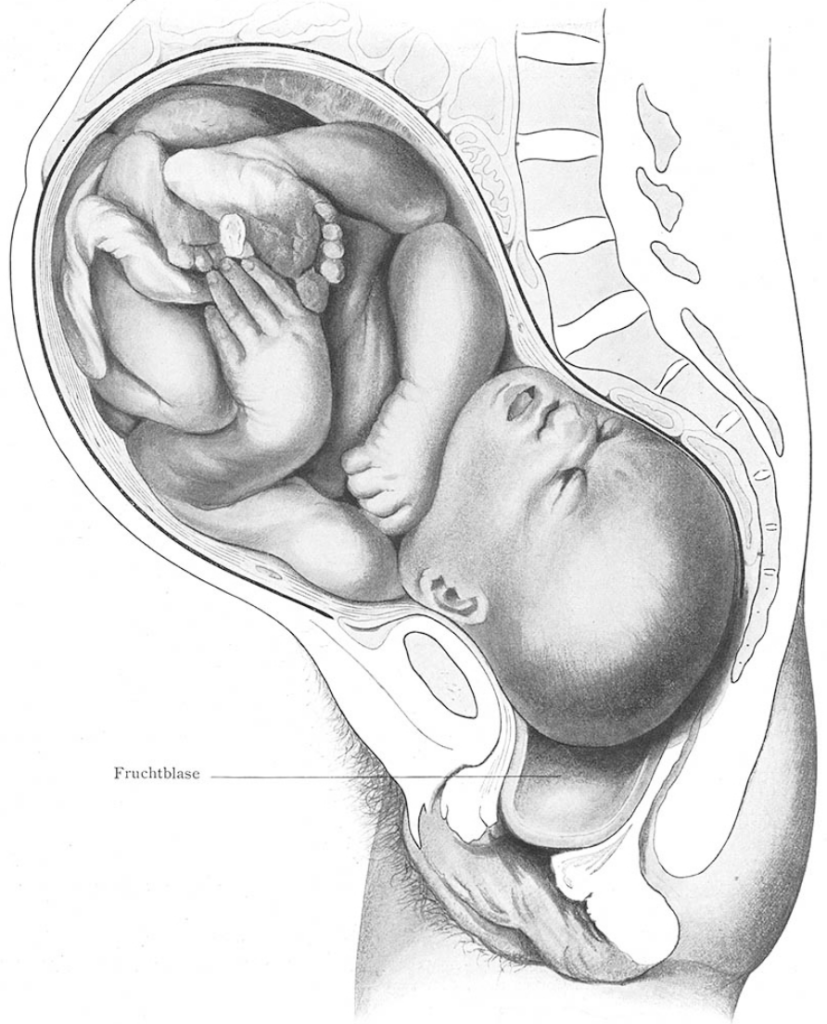
1. First Stage: Onset of Labor
Initiation: Labor begins with the onset of regular uterine contractions, which help dilate and efface (thin out) the cervix.
Hormonal Changes: Increasing levels of oxytocin stimulate uterine contractions, while prostaglandins soften the cervix.
Latent Phase: Early contractions may be irregular and mild, gradually becoming more regular and intense.
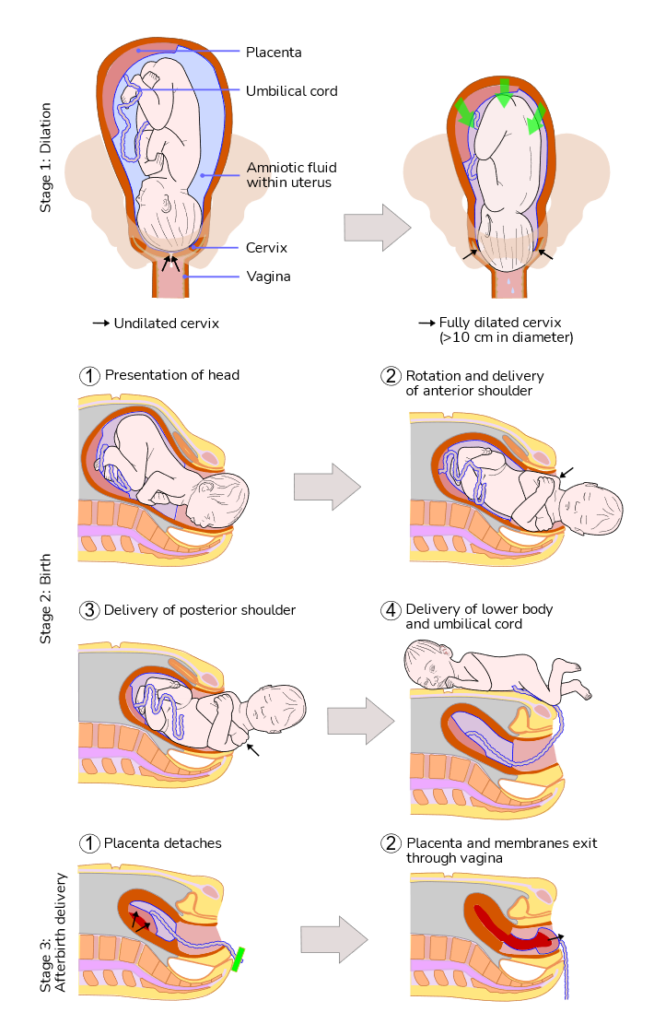
2. Second Stage: Delivery of the Baby
Active Labor: Contractions become stronger and more frequent, causing the cervix to dilate fully (10 cm).
Pushing: The mother actively pushes with contractions to help propel the baby through the birth canal.
Birth: The baby’s head emerges first (crowning), followed by the shoulders and body.
3. Third Stage: Delivery of the Placenta
Placental Expulsion: After the baby is born, the placenta detaches from the uterine wall and is expelled through mild contractions.
Postpartum: The uterus continues to contract to control bleeding. Maternal oxytocin release aids in uterine contraction and milk ejection for breastfeeding.
Postpartum Period
The postpartum period refers to the time immediately after childbirth, during which the mother’s body undergoes significant physiological changes:
Involution: The uterus contracts to its pre-pregnancy size over several weeks.
Breastfeeding: Oxytocin stimulates milk production (lactation), promoting bonding between mother and baby.
Emotional Adjustment: Women may experience emotional changes, including the “baby blues” or postpartum depression.
Complications and Medical Interventions
Labor Induction: Artificial initiation of labor using medications or procedures when necessary for maternal or fetal health reasons.
Cesarean Section (C-section): Surgical delivery of the baby through an incision in the mother’s abdomen and uterus, performed when vaginal delivery is not possible or safe.
Complications: Conditions such as preeclampsia, gestational diabetes, or fetal distress may require medical intervention during pregnancy or childbirth.
Conclusion
Pregnancy and parturition are remarkable physiological processes that involve the intricate interplay of hormonal regulation, maternal adaptations, and fetal development. Understanding these processes is essential for supporting maternal and fetal health, diagnosing and managing pregnancy-related complications, and ensuring safe childbirth. Advances in obstetrics and neonatology continue to improve outcomes for mothers and babies, enhancing our understanding and management of pregnancy and childbirth. Continued research into maternal-fetal physiology promises further insights into reproductive health and the complexities of human development.