History of the profession of Pharmacy in India: The profession of pharmacy in India has a long and remarkable history that reflects the evolution of healthcare, medicine, science, and society. Pharmacy, as a profession, is concerned with the preparation, dispensing, storage, quality assurance, and rational use of medicines to improve human health. Today, pharmacists are recognized as essential healthcare professionals who contribute to patient care, medication management, disease prevention, public health, research, manufacturing, and regulatory affairs. However, this recognition is the result of centuries of gradual development.

The history of pharmacy in India is closely linked with the country’s medical traditions, political changes, educational reforms, industrial growth, and healthcare policies. From the ancient Ayurvedic practitioners who prepared medicines using herbs and minerals to the modern clinical pharmacists involved in patient-centered care, pharmacy has undergone a significant transformation. Understanding the historical development of pharmacy practice helps in appreciating the current responsibilities of pharmacists and the future direction of the profession.
Ancient Period: The Foundation of Pharmacy Practice
The roots of pharmacy in India can be traced back more than 5,000 years to the ancient civilization where medicine and pharmacy were inseparable. During this period, the preparation and use of medicines were based on natural substances obtained from plants, animals, and minerals.
Ancient Indian medicine was primarily practiced under the systems of Ayurveda, Siddha, and later Unani. Among these, Ayurveda became the most influential medical system in India. It emphasized maintaining health through a balance between the body, mind, and environment.
In the Ayurvedic system, physicians known as Vaidyas were responsible not only for diagnosing diseases but also for preparing medicines for their patients. Separate pharmacists, as seen today, did not exist. The physician himself selected medicinal plants, processed them into suitable dosage forms, and dispensed them directly to patients. Therefore, pharmacy practice during this period was integrated with medical practice.
The preparation of medicines involved careful collection of medicinal plants according to season and geographical location. Herbs were cleaned, dried, powdered, boiled, fermented, distilled, or mixed with other ingredients depending on the desired therapeutic effect. Great importance was given to purity, dosage, storage, and patient-specific formulations.
Ancient Ayurvedic literature such as the Charaka Samhita and Sushruta Samhita contains extensive information regarding drug preparation, methods of extraction, preservation of medicines, dosage calculations, quality evaluation, storage conditions, and administration. These texts served as early pharmaceutical manuals that guided physicians in medicine preparation.
Various pharmaceutical dosage forms were prepared during this period, including:
- Churna (powders)
- Kashaya (decoctions)
- Arishta (fermented preparations)
- Asava (herbal wines)
- Taila (medicated oils)
- Ghrita (medicated ghee)
- Avaleha (herbal jams)
- Vati (tablets or pills)
- Bhasma (calcined mineral preparations)
These preparations required specialized pharmaceutical knowledge, indicating that pharmacy as a technical discipline had already begun developing, although it had not yet become an independent profession.
Pharmacy During the Classical Ayurvedic Period
Between approximately 500 BCE and 1200 CE, pharmacy became more systematic and organized. Medical institutions expanded, and pharmaceutical knowledge became more scientific.
Special emphasis was placed on:
- Identification of medicinal plants
- Standard methods of drug preparation
- Storage techniques
- Shelf-life of medicines
- Therapeutic indications
- Dosage according to age and disease
- Purification of toxic substances
Ancient scholars introduced sophisticated pharmaceutical techniques such as purification (Shodhana), incineration (Marana), trituration (Bhavana), extraction, distillation, and fermentation. These methods demonstrate that pharmaceutical science had achieved considerable sophistication.
Although pharmacists were not recognized as independent healthcare professionals, individuals skilled in medicine preparation gradually emerged in royal hospitals, temples, and educational institutions.
Medieval Period: Influence of Unani Pharmacy
With the arrival of Persian and Arab scholars during the medieval period, the Unani system of medicine gained prominence in India. This system introduced several new pharmaceutical concepts and expanded the range of medicinal preparations.
Unani pharmacy emphasized:
- Syrups
- Electuaries
- Ointments
- Distilled waters
- Pills
- Herbal extracts
- Aromatic preparations
Professional medicine makers called Attars and Hakims became skilled in preparing and dispensing medicines.
The Unani system also contributed to:
- Better drug storage
- Compound formulations
- Improved weighing techniques
- Use of specialized pharmaceutical equipment
Many pharmacies attached to Unani clinics became centers for medicine preparation and dispensing.
Pharmacy During the Mughal Period
The Mughal era encouraged the cultivation of medicinal plants and established royal dispensaries. Several hospitals employed trained personnel responsible for preparing medicines under physician supervision.
The pharmaceutical practices of this period combined elements of Ayurveda, Unani, and local medicinal traditions. Herbal gardens were maintained to ensure continuous availability of medicinal plants.
Medicine preparation became increasingly standardized within royal institutions, although community practice remained largely traditional.
Colonial Period: Introduction of Western Pharmacy
The arrival of European traders, particularly the British East India Company during the seventeenth century, marked a turning point in Indian pharmacy.
Initially, medicines imported from Europe were supplied mainly to British soldiers and officials. European pharmacies were established within military hospitals.
Gradually, Western medicine expanded into civilian healthcare.
The introduction of modern pharmacy brought several important changes:
- Scientific drug formulation
- Industrial manufacturing
- Standardized medicines
- Modern dispensing techniques
- Pharmaceutical chemistry
- Quality control
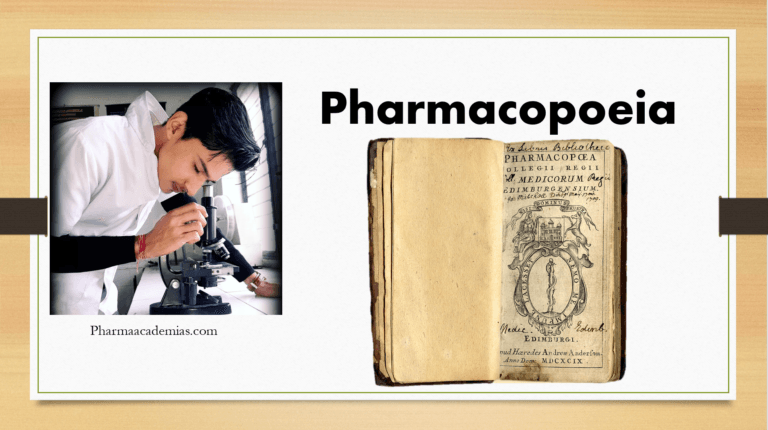
- Pharmacopoeias
- Drug regulations
However, pharmacy was still not recognized as an independent profession. Physicians generally prescribed and dispensed medicines themselves.
Many medicines were imported from Britain, making India heavily dependent on foreign pharmaceutical products.
Emergence of Modern Pharmaceutical Education
One of the major milestones in Indian pharmacy was the establishment of formal pharmaceutical education.
Before the twentieth century, there were very few opportunities for structured pharmacy training. Medicine preparation was generally learned through apprenticeship.
The need for scientifically trained pharmacists became increasingly evident due to:
- Growth of hospitals
- Expansion of pharmaceutical manufacturing
- Increasing number of medicines
- Rising public demand
- Drug safety concerns
The establishment of pharmaceutical education institutions laid the foundation for professional pharmacy practice.
Professor M. L. Schroff: Father of Pharmacy Education in India
The development of modern pharmacy education in India is closely associated with Professor Mahadeva Lal Schroff, who is widely known as the Father of Pharmacy Education in India.
In 1932, he initiated the first university-level pharmacy course at Banaras Hindu University.
Professor Schroff believed that pharmacy should be recognized as an independent profession rather than merely a technical occupation.
His contributions include:
- Development of pharmacy curriculum
- Promotion of pharmaceutical education
- Professional recognition of pharmacists
- Encouragement of pharmaceutical research
- Improvement of pharmacy practice standards
His efforts inspired the establishment of pharmacy colleges throughout India.
Pharmacy Practice in Community Settings
Community pharmacy became one of the largest employment sectors for pharmacists.
Initially, pharmacists primarily dispensed medicines prescribed by physicians.
Over time, their responsibilities expanded to include:
- Patient counseling
- Drug information
- Prescription review
- Identification of drug interactions
- Medication adherence
- Health education
- Vaccination support
- Lifestyle counseling
Community pharmacists gradually became more patient-oriented rather than product-oriented.
Evolution of Hospital Pharmacy
Hospital pharmacy witnessed major advancements after independence.
Initially, hospital pharmacists mainly stored and distributed medicines.
Modern hospital pharmacy now includes:
- Clinical pharmacy services
- Drug distribution systems
- Medication safety
- Therapeutic drug monitoring
- Intravenous admixture services
- Drug utilization evaluation
- Antimicrobial stewardship
- Patient counseling
- Pharmacovigilance
Hospital pharmacists now work closely with physicians, nurses, and other healthcare professionals.
Clinical Pharmacy and Patient-Oriented Practice
One of the most significant developments in recent decades has been the emergence of clinical pharmacy.
Clinical pharmacists participate directly in patient care by:
- Reviewing prescriptions
- Preventing medication errors
- Monitoring adverse drug reactions
- Optimizing drug therapy
- Counseling patients
- Participating in ward rounds
- Improving treatment outcomes
The shift from product-centered practice to patient-centered pharmaceutical care represents a major milestone in Indian pharmacy.
Conclusion
The history of the pharmacy profession in India reflects a continuous journey of growth, adaptation, and professionalization. Beginning with the ancient traditions of Ayurveda, where physicians prepared medicines using natural resources, the profession has evolved through the influence of Unani medicine, colonial scientific advancements, modern pharmaceutical education, industrial development, and legislative reforms. Milestones such as the establishment of pharmacy education, the enactment of the Pharmacy Act of 1948, the creation of the Pharmacy Council of India, and the introduction of clinical pharmacy and Pharm.D education have significantly shaped contemporary pharmacy practice.
Today, pharmacists are recognized as indispensable members of the healthcare system, contributing to medication safety, therapeutic effectiveness, patient education, public health, pharmaceutical research, and healthcare innovation. The profession has shifted from a product-oriented approach focused primarily on medicine preparation and dispensing to a patient-centered model that emphasizes pharmaceutical care and improved health outcomes.
As India continues to strengthen its healthcare infrastructure and pharmaceutical industry, the role of pharmacists will become even more significant. By embracing scientific advancements, ethical practice, lifelong learning, and collaborative healthcare, the pharmacy profession will continue to evolve and remain a vital pillar of the nation’s healthcare system.