The liver is a vital organ in the upper right side of the abdomen, beneath the diaphragm. It is the largest glandular organ in the human body and performs many functions necessary for overall health. Let’s explore the anatomy and functions of the liver:
Anatomy of the Liver
The liver is a reddish-brown organ divided into two main lobes, the right and left. It is connected to the gallbladder and the small intestine by a network of ducts known as the biliary system. Blood is supplied to the liver through two major blood vessels: the hepatic artery, which delivers oxygenated blood, and the portal vein, which brings nutrient-rich blood from the digestive organs.
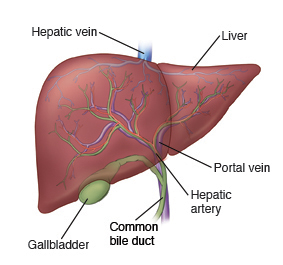
The liver is composed of small functional units called lobules. Each lobule consists of hepatocytes, the liver’s primary functional cells. These hepatocytes are organized in a radial pattern around a central vein and are arranged in interconnected plates, allowing for the efficient exchange of substances.
Functions of the Liver
1.Metabolism:
1. Carbohydrate Metabolism: The liver is crucial in regulating blood glucose levels. It stores excess glucose as glycogen and releases it when blood sugar levels drop. It also helps in converting other carbohydrates into glucose for energy production.
2. Lipid Metabolism: The liver synthesizes cholesterol and produces lipoproteins that transport fats in the blood. It also metabolizes and stores fats and synthesizes bile acids necessary for fat digestion.
3. Protein Metabolism: The liver synthesizes various proteins, including plasma proteins like albumin and clotting factors. It also metabolizes amino acids, converting them into energy or other needed compounds.
2.Bile Production:
The liver produces bile, a greenish-yellow fluid that aids in the digestion and absorption of fats. Bile is stored, concentrated in the gallbladder, and released into the small intestine when needed.
3. Detoxification:
The liver plays a critical role in detoxifying harmful substances. It filters and removes toxins, drugs, and metabolic waste products from the bloodstream. It also converts ammonia, a toxic byproduct of protein metabolism, into urea for excretion.
4. Storage:
The liver serves as a storage site for various substances, including vitamins (A, D, E, K, and B12), minerals (such as iron), and glycogen (which can be converted into glucose when needed for energy).
5. Synthesis of Blood Components:
The liver produces and releases clotting factors essential for blood coagulation. It also plays a role in producing and recycling red and white blood cells.
6. Immune Function:
The liver contains specialized Kupffer cells that help defend against pathogens and foreign substances. These cells remove bacteria, viruses, and other foreign particles from the bloodstream.
7. Regulation of Hormones:
The liver metabolizes and helps regulate various hormones, including those involved in growth, reproduction, and metabolism.
The liver’s complex functions are essential for maintaining metabolic balance, digestion, detoxification, and overall health. It is an indispensable organ that performs numerous vital tasks in the body.