
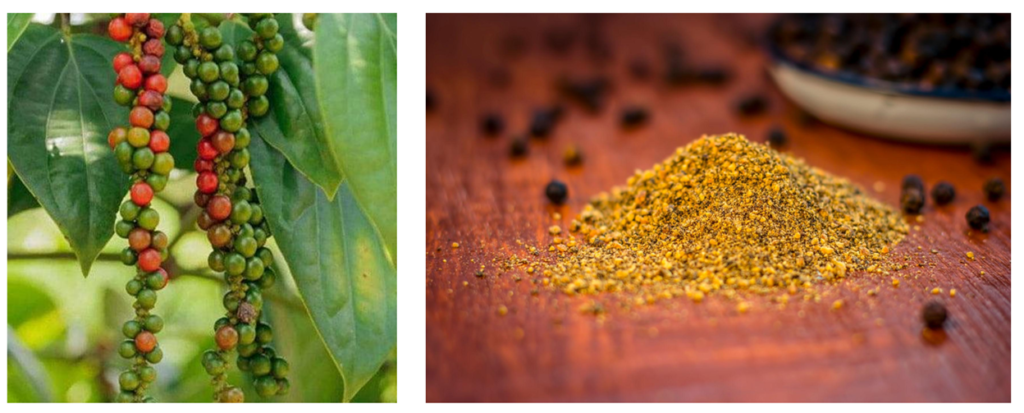
Pepper & Ephedra: Pepper, commonly known as black pepper, is one of the most widely used spices and medicinal herbs, valued for its digestive, bioavailability-enhancing, and therapeutic properties. Scientifically identified as Piper nigrum, it belongs to the family Piperaceae.
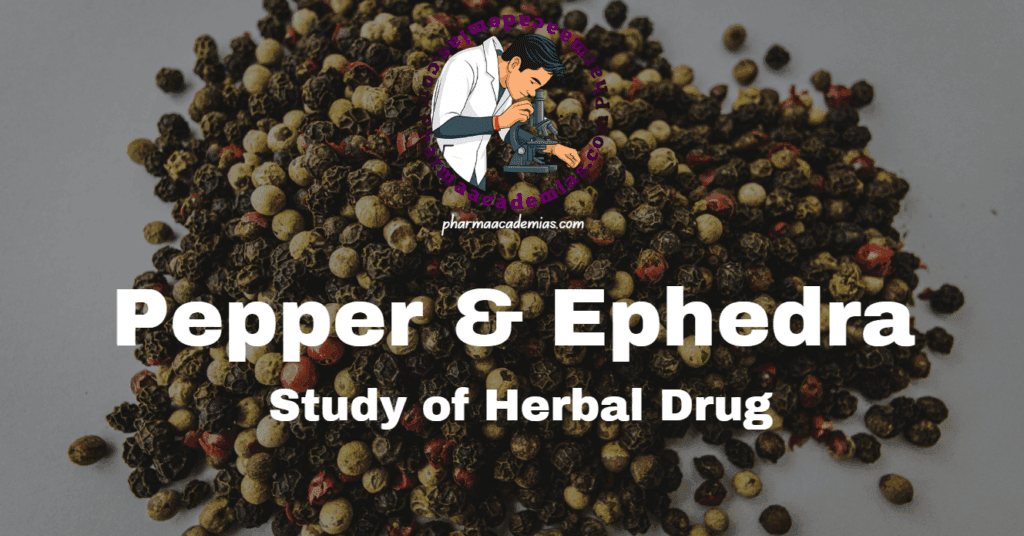
Pepper is extensively used in traditional and modern medicine as a bioenhancer, meaning it enhances the absorption and efficacy of various drugs and nutrients. Its principal active constituent, piperine, plays a crucial role in pharmacokinetic interactions.
Phytochemical Composition
- Piperine (major alkaloid)
- Volatile oils
- Chavicine
- Flavonoids and phenolic compounds
Pharmacological Actions
Pepper exhibits multiple pharmacological effects:
- Digestive stimulant
- Bioavailability enhancer
- Antioxidant
- Anti-inflammatory
- Antimicrobial
Mechanism of Action
Piperine enhances drug bioavailability through:
- Inhibition of drug-metabolizing enzymes (CYP450)
- Inhibition of P-glycoprotein (drug efflux pump)
- Increased intestinal absorption
Side Effects of Pepper
Although generally safe, excessive use may cause:
- Gastric irritation
- Burning sensation
- Increased gastric acid secretion
Herb–Drug Interactions (Pepper)
Pepper is highly significant in drug interactions due to its bioenhancing properties.
Enzyme Inhibition
- Inhibits CYP450 enzymes
- Leads to:
- Increased drug levels
- Risk of toxicity
Interaction with Drugs
- Antiepileptics → Increased plasma concentration
- Antibiotics → Enhanced absorption
- Anticoagulants → Increased effect and bleeding risk
- Anticancer drugs → Altered pharmacokinetics
Clinical Significance
- Useful as a bioenhancer in formulations
- May lead to drug toxicity if not monitored properly
2. Ephedra
Introduction
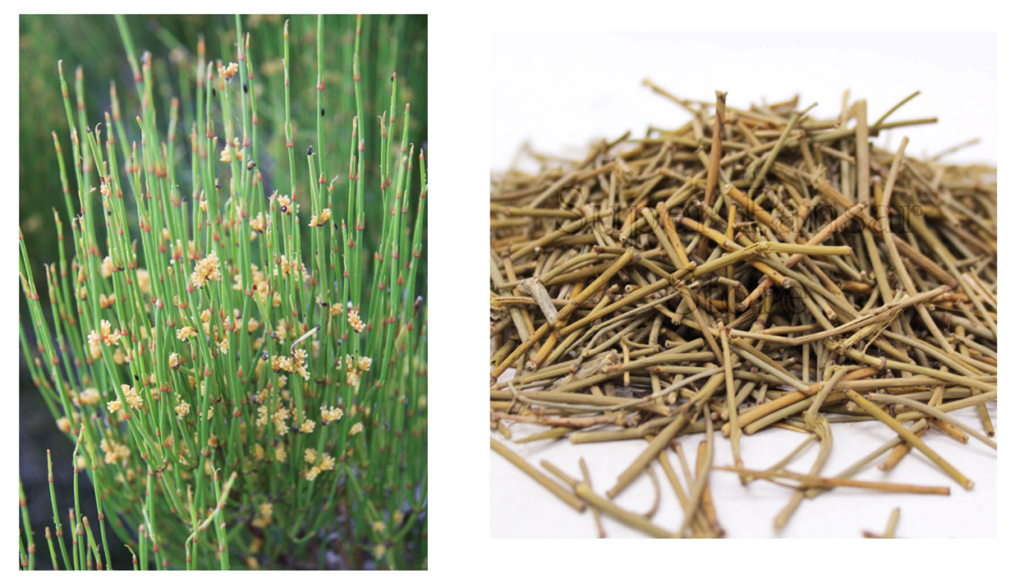
Ephedra is a potent medicinal plant known for its stimulant, bronchodilator, and thermogenic properties. Scientifically identified as Ephedra sinica, it belongs to the family Ephedraceae.
Traditionally used in Chinese medicine (Ma Huang), Ephedra is mainly employed for the treatment of asthma, nasal congestion, and bronchospasm. Its pharmacological effects are due to the presence of ephedrine and pseudoephedrine alkaloids, which act on the sympathetic nervous system.
However, due to serious adverse effects, Ephedra use is highly restricted or banned in many countries.
Phytochemical Composition
- Ephedrine (major active alkaloid)
- Pseudoephedrine
- Other sympathomimetic amines
Pharmacological Actions
Ephedra exhibits strong pharmacological effects:
- CNS stimulant
- Bronchodilator
- Decongestant
- Thermogenic (fat-burning effect)
- Cardiostimulatory
Mechanism of Action
Ephedra acts by:
- Stimulating adrenergic receptors (α and β receptors)
- Increasing release of norepinephrine
- Enhancing sympathetic nervous system activity
Therapeutic Uses
Traditionally used for:
- Asthma
- Bronchitis
- Nasal congestion
- Weight loss (controversial use
Side Effects of Ephedra
Ephedra is associated with serious and potentially life-threatening side effects.
Common Side Effects
- Insomnia
- Nervousness
- Palpitations
- Headache
Cardiovascular Effects (Major Concern)
- Hypertension
- Tachycardia
- Arrhythmias
- Risk of stroke and heart attack
CNS Effects
- Anxiety
- Tremors
- Seizures
Herb–Drug Interactions (Ephedra)
Ephedra has significant and dangerous interactions with various drugs.
Interaction with CNS Stimulants
- Additive stimulant effect
- Leads to:
- Severe hypertension
- CNS overstimulation
Interaction with Antihypertensive Drugs
- Opposes drug action
- Leads to:
- Reduced antihypertensive efficacy
Interaction with MAO Inhibitors
- May cause:
- Hypertensive crisis
- Severe headache
- Stroke risk
Interaction with Cardiac Drugs
- Increased risk of arrhythmias
- Enhanced cardiotoxicity
Interaction with Caffeine
- Synergistic stimulant effect
- Increased risk of:
- Heart attack
- Stroke
Herb–Food Interactions
- Caffeine-containing foods (tea, coffee) increase stimulant effects
- High-sodium diet may worsen hypertension
Clinical Significance
Ephedra is clinically significant because it:
- Produces strong sympathetic stimulation
- Has a narrow safety margin
- Can lead to life-threatening adverse effects
Safety and Regulatory Status
- Banned/restricted in many countries
- Not recommended for self-medication
- Should be used only under strict medical supervision
Conclusion
Pepper (Piper nigrum) and Ephedra (Ephedra sinica) represent two contrasting herbal drugs in terms of safety and pharmacological effects. Pepper is widely used as a bioavailability enhancer and is generally safe, though it may alter drug metabolism significantly. In contrast, Ephedra is a potent sympathomimetic herb with serious safety concerns, including cardiovascular toxicity and dangerous drug interactions.
Understanding their pharmacological actions, side effects, and interaction profiles is essential for ensuring safe and rational use in clinical and nutraceutical settings.
Editorial Note
This article has been carefully researched and written by Deepak Rajput with a focus on accuracy, clarity, and evidence-based healthcare information. Pharmaacademias.com


