Garlic as Herbal Drug: Garlic is one of the most widely used medicinal herbs, known for its cardioprotective, antimicrobial, antioxidant, and metabolic regulatory properties. Scientifically identified as Allium sativum, it belongs to the family Amaryllidaceae and has been used for centuries in traditional medicine systems worldwide.
Garlic is extensively used as a functional food and nutraceutical, particularly in the prevention and management of cardiovascular diseases, infections, and metabolic disorders. Its therapeutic activity is primarily attributed to sulfur-containing compounds, especially allicin, which is formed when garlic is crushed or chopped.
Despite its health benefits, garlic is associated with important side effects and clinically significant herb–drug interactions, especially related to its effects on blood clotting and drug metabolism.
Botanical and Pharmacognostic Profile of Garlic as Herbal Drug
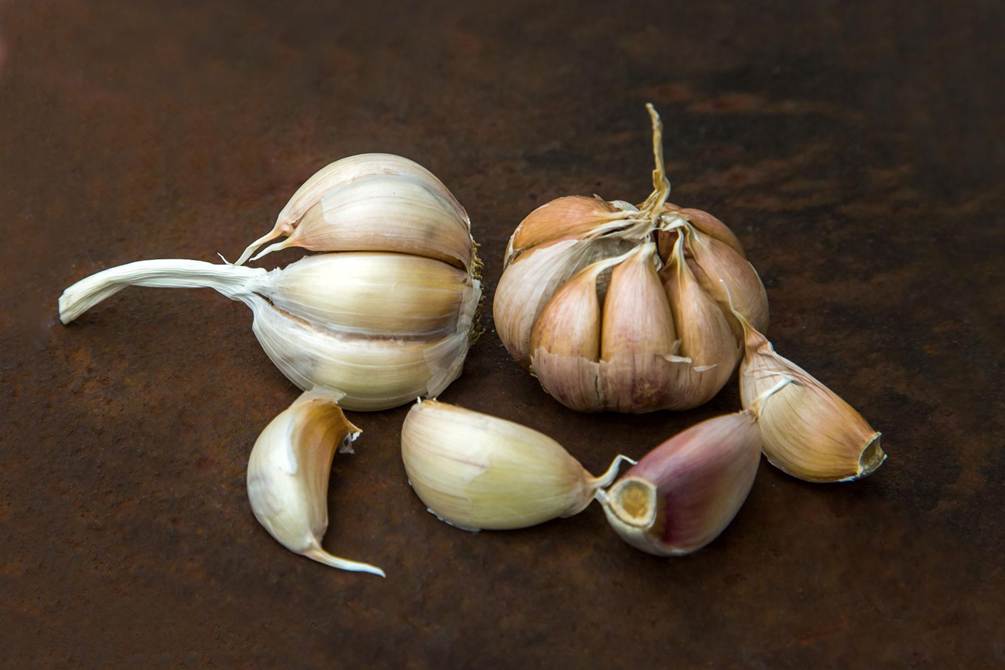
Garlic is a perennial bulbous plant characterized by:
- Underground bulb composed of multiple cloves
- Narrow, flat leaves
- Strong characteristic odor
The bulb (cloves) is the primary medicinal and edible part used.
Phytochemical Composition
The pharmacological activity of garlic is due to its rich chemical composition:
- Alliin (precursor compound)
- Allicin (active compound formed enzymatically)
- Ajoene and diallyl sulfides
- Flavonoids and polyphenols
These compounds are responsible for its therapeutic and biological effects.
Pharmacological Actions of Garlic as Herbal Drug
Garlic exhibits multiple pharmacological activities:
- Cardioprotective
- Antihypertensive
- Hypolipidemic
- Antiplatelet
- Antimicrobial
- Antioxidant
Mechanism of Action
Garlic acts through several mechanisms:
- Inhibition of cholesterol synthesis (HMG-CoA reductase pathway)
- Inhibition of platelet aggregation
- Enhancement of nitric oxide production (vasodilation)
- Antioxidant activity via free radical scavenging
- Antimicrobial action through disruption of microbial enzymes
Therapeutic Uses of Garlic as Herbal Drug
Garlic is widely used in the management of:
- Hyperlipidemia
- Hypertension
- Atherosclerosis
- Infections
- Diabetes mellitus
Side Effects of Garlic as Herbal Drug
Although generally safe, garlic may produce adverse effects, especially in high doses.
Common Side Effects
- Gastrointestinal irritation (nausea, bloating)
- Heartburn
- Bad breath and body odor
Bleeding Risk (Major Concern)
Due to its antiplatelet activity, garlic may cause:
- Increased bleeding tendency
- Prolonged bleeding time
- Risk of hemorrhage
Allergic Reactions
- Skin rash
- Contact dermatitis (especially with topical use)
Other Effects
- Hypotension (in excessive doses)
- Dizziness
Herb–Drug Interactions
Garlic has several clinically significant interactions, particularly affecting blood coagulation and drug metabolism.
Interaction with Anticoagulants and Antiplatelet Drugs
Garlic enhances the effects of drugs such as:
- Warfarin
- Aspirin
- Clopidogrel
This may lead to:
- Increased bleeding risk
- Hemorrhagic complications
Interaction with Antihypertensive Drugs
- May enhance blood pressure-lowering effects
- Risk of hypotension
Interaction with Antidiabetic Drugs
- Enhances hypoglycemic effect
- Risk of hypoglycemia
Interaction with Antiretroviral Drugs
- May reduce plasma levels of certain drugs, decreasing their efficacy
Interaction with NSAIDs
- Increased risk of gastrointestinal bleeding
Herb–Food Interactions
Garlic may interact with dietary components:
- Foods with anticoagulant properties (e.g., ginger, ginkgo) may enhance bleeding risk
- High-fat meals may influence absorption of garlic constituents
Clinical Significance
The interactions of garlic are clinically important because they can:
- Increase bleeding risk
- Alter drug efficacy
- Lead to adverse effects in patients with chronic conditions
Special caution is required in:
- Patients undergoing surgery
- Individuals on anticoagulant therapy
- Elderly patients
Safety and Precautions
- Discontinue use before surgery
- Use cautiously with anticoagulants and antiplatelet drugs
- Avoid excessive consumption
- Monitor blood pressure and glucose levels
- Use standardized preparations
Conclusion
Garlic (Allium sativum) is a highly potent herbal drug with extensive therapeutic benefits, particularly in cardiovascular and metabolic disorders. Its bioactive sulfur compounds contribute to its pharmacological effects, including antiplatelet, antihypertensive, and antioxidant actions.
However, its use is associated with significant side effects and herb–drug interactions, especially related to bleeding risk and metabolic modulation. Therefore, garlic should be used with careful clinical consideration and appropriate monitoring to ensure safe and effective therapeutic outcomes.
Editorial Note
This article has been carefully researched and written by Deepak Rajput with a focus on accuracy, clarity, and evidence-based healthcare information. Pharmaacademias.com