
Parenteral products are sterile pharmaceutical preparations intended for administration by injection, infusion, or implantation into the body. These products bypass the gastrointestinal tract, making them essential for patients who cannot take medications orally due to various medical conditions. The term “parenteral” is derived from the Greek words para (beside) and enteron (intestine), meaning that the drug is administered through routes other than the alimentary canal.
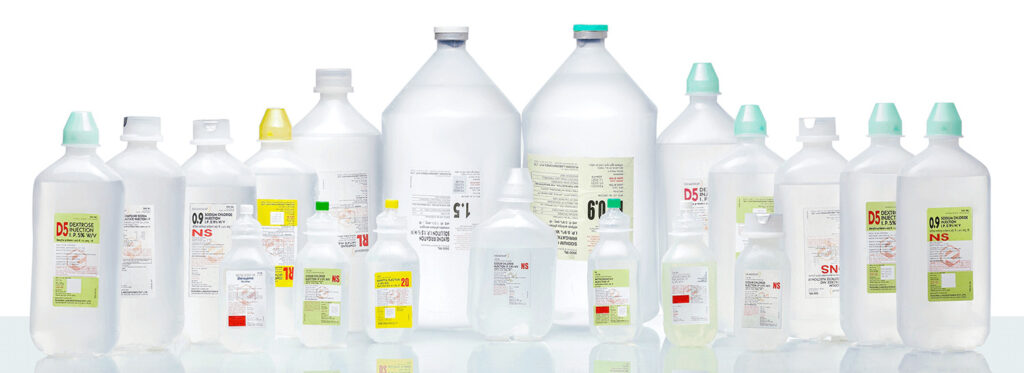
Parenteral products must adhere to strict quality control and aseptic processing standards because they are introduced directly into the systemic circulation or body tissues, where even minor contamination can result in severe adverse effects or infections.
Definition of Parenteral Products
According to the United States Pharmacopeia (USP), parenteral preparations are sterile preparations intended for administration by injection through the skin or other external boundary tissue, rather than the alimentary canal, so that the active substances they contain are administered directly into the body.
Characteristics of Parenteral Products
- Must be sterile and free from pyrogens.
- Require strictly controlled pH and osmolarity.
- Must be isotonic or close to isotonic with body fluids to prevent irritation.
- Prepared using aseptic techniques in controlled environments such as cleanrooms or laminar airflow cabinets.
- Must be packaged in sterile, sealed containers that prevent microbial ingress.
Types of Parenteral Dosage Forms
Parenteral products can be classified based on their route of administration and formulation characteristics:
A. Based on Route of Administration
- Intravenous (IV): Intravenous administration involves injecting the drug directly into a vein, allowing for immediate access to the bloodstream. This route is used for rapid onset of action and is suitable for large volumes, often up to 1 liter or more. It is commonly employed in situations requiring quick therapeutic effects, such as in emergencies, fluid replenishment, or antibiotic therapy. Typical examples of IV parenteral products include IV fluids, electrolytes, and broad-spectrum antibiotics.
- Intramuscular (IM): Intramuscular injections are administered deep into large muscle groups such as the gluteus maximus or the deltoid. This route allows for moderate absorption speed—slower than intravenous but faster than subcutaneous administration—making it suitable for drugs that require a prolonged effect or cannot be given intravenously. The volume of injection is generally limited to 2–5 mL, depending on the muscle size and patient tolerance. IM injections are commonly used for vaccines, hormonal preparations, and analgesics like diclofenac or morphine.
- Subcutaneous (SC or SubQ): Subcutaneous administration involves injecting the drug into the layer of fat and tissue just beneath the skin. This route is typically used for medications that require slow, sustained absorption over time. Due to the limited vascularity of subcutaneous tissue, drug absorption is slower compared to intramuscular and intravenous routes. The volume that can be safely administered is usually limited to around 1–2 mL. Common examples of subcutaneous injections include insulin for diabetes management and heparin for anticoagulation therapy. This method is often preferred for self-administration due to ease of use and minimal discomfort.
- Intradermal (ID): Intradermal injections are administered into the dermis, the layer of skin just beneath the epidermis. This route is primarily used for diagnostic purposes and certain types of vaccinations, where localized immune responses or sensitivity testing is required. Because the dermis is richly supplied with immune cells, it is ideal for detecting allergic reactions or immune responses to antigens. The volume injected is very small, typically less than 0.1 mL, and administration requires precise technique. Common examples include the tuberculin skin test (Mantoux test) and various allergy tests.
- Intra-articular, Intrathecal, Intraperitoneal, etc: These are specialized parenteral routes used for targeted drug delivery in specific clinical conditions. Intra-articular injections deliver medication directly into a joint space, commonly used for treating joint inflammation or arthritis. Intrathecal administration involves injection into the spinal canal, typically for delivering drugs like anesthetics or chemotherapy directly into the cerebrospinal fluid, bypassing the blood-brain barrier. Intraperitoneal injections are used to administer drugs into the peritoneal cavity, often employed in chemotherapy or dialysis. These routes demand a high level of technical skill and must be performed under strict aseptic conditions to prevent serious complications such as infections or tissue damage.
B. Based on Dosage Form
- Solutions: Solutions are the most commonly used parenteral dosage forms, consisting of one or more solutes completely dissolved in a suitable solvent, typically water for injection. They must be clear, sterile, and free from particulate matter to ensure patient safety. Solutions provide immediate therapeutic action upon administration, making them ideal for emergencies or situations requiring rapid onset. These formulations must be isotonic to avoid irritation or hemolysis and are carefully pH-adjusted to maintain stability and compatibility with body fluids. Common examples include Dextrose Injection USP and Normal Saline (0.9% Sodium Chloride Injection), widely used for hydration, electrolyte replenishment, and as diluents for other medications.
- Suspensions: Parenteral suspensions consist of finely divided solid drug particles dispersed in a sterile liquid vehicle. These formulations are typically used for depot or sustained-release injections, where the drug is gradually absorbed over an extended period, providing a prolonged therapeutic effect. Because the drug particles settle over time, suspensions must be thoroughly shaken before administration to ensure uniform dosing. Preparing sterile suspensions requires meticulous control of particle size and dispersion to prevent blockage of needles and ensure stability. A common example is Methylprednisolone acetate suspension, used for long-acting anti-inflammatory effects in conditions like arthritis or allergic reactions.
- Emulsions: Parenteral emulsions are biphasic liquid dosage forms in which oil droplets are dispersed within an aqueous phase, forming oil-in-water (O/W) systems. These formulations are primarily used to deliver fat-soluble drugs or as a source of essential fatty acids and calories in parenteral nutrition. Due to their complex nature, emulsions require the use of emulsifying agents to maintain physical stability and prevent phase separation. Special care must be taken during preparation and storage to ensure droplet size remains within safe limits to avoid embolism risks. A widely used example is Intralipid, a lipid-based intravenous nutritional emulsion administered in patients unable to consume food orally.
- Dry Powders for Reconstitution
Dry powders for reconstitution are sterile, powdered drug formulations that require mixing with a suitable sterile diluent—usually sterile water for injection—just before administration. This form enhances the stability and shelf-life of drugs that may be unstable in liquid form. Once reconstituted, the solution or suspension must be used within a specified time frame to maintain sterility and efficacy. These dosage forms are commonly used for antibiotics and other medications that degrade quickly in solution. A classic example is Ceftriaxone sodium for injection, which is supplied as a powder and reconstituted prior to intravenous or intramuscular administration.
- Implants and Pellets
Implants and pellets are solid, sterile dosage forms designed for subcutaneous insertion. These formulations are engineered to provide controlled, long-term release of the drug, often spanning weeks to months, reducing the need for frequent dosing and improving patient compliance. The drug is typically embedded within a biodegradable or non-biodegradable matrix that gradually releases the active ingredient over time. This route is especially useful for hormonal therapies, contraceptives, or chronic disease management. An example of such a dosage form is Leuprolide acetate implants, used in the treatment of hormone-sensitive conditions like prostate cancer or endometriosis.
- Depot Injections
Depot injections are specially formulated parenteral preparations designed to provide prolonged or sustained drug release over an extended period, minimizing the frequency of administration. These dosage forms are often suspensions or oil-based solutions that slowly release the active drug into systemic circulation. Depot injections are commonly used for medications requiring steady plasma levels, such as antipsychotics, hormones, or certain antibiotics. This approach improves patient adherence, particularly in chronic conditions, by reducing the need for daily dosing. An example includes depot formulations of antipsychotic drugs like haloperidol decanoate or risperidone microspheres.
Advantages of Parenteral Products
Parenteral administration offers several advantages that make it essential in clinical medicine:
1. Immediate Onset of Action: Especially with IV injections, the drug is introduced directly into the bloodstream, offering rapid therapeutic effects, which is crucial in emergencies (e.g., anaphylaxis, cardiac arrest).
2. Bypasses First-Pass Metabolism: Parenteral routes avoid liver metabolism (first-pass effect), leading to higher bioavailability.
3. Useful for Unconscious or Non-cooperative Patients: Ideal for comatose, vomiting, or uncooperative patients, including infants and elderly individuals.
4. Controlled and Targeted Delivery: Allows for precise dosing and administration to specific body sites, such as joints (intra-articular) or spinal cord (intrathecal).
5. Suitable for Poorly Absorbed Drugs: Drugs with poor oral absorption or unstable in the gastrointestinal tract can be effectively administered parenterally (e.g., insulin, monoclonal antibodies).
6. Sustained Release Possibilities: Depot injections and implants provide prolonged therapeutic effects with reduced dosing frequency, improving patient compliance.
Limitations and Disadvantages of Parenteral Products
Despite their advantages, parenteral products have several limitations:
1. Risk of Infection: Due to direct entry into the body, there’s a high risk of infection, especially if aseptic techniques are not followed.
2. Pain and Discomfort: Parenteral administration is often painful and may cause local reactions such as swelling, redness, or abscesses.
3. Requires Skilled Personnel: Trained healthcare professionals are needed for proper administration, especially for routes like IV, intrathecal, or intra-articular.
4. High Cost: Manufacturing involves specialized facilities (clean rooms), expensive equipment, and sterility assurance testing, making parenteral products costlier than oral formulations.
5. Irreversibility: Once administered, drug effects cannot be reversed easily. In case of overdose or adverse reaction, management becomes challenging.
6. Limited Shelf-Life After Opening: Multi-dose vials or reconstituted drugs often have a short shelf life and must be used within specific time limits to avoid microbial contamination.
Quality Control and Regulatory Considerations
Parenteral preparations are strictly regulated by pharmacopoeias (USP, BP, IP) and drug regulatory authorities like the FDA, EMA, and CDSCO. They must comply with the following:
- Sterility testing
- Pyrogen or bacterial endotoxin testing
- Particulate matter testing
- Container-closure integrity
- Aseptic process validation
Strict adherence to Good Manufacturing Practices (GMP) and Good Laboratory Practices (GLP) is mandatory.
Packaging of Parenteral Products
Parenteral products are typically packaged in:
- Glass ampoules – single-use, hermetically sealed.
- Vials – single or multi-dose, with rubber closures and aluminum caps.
- Pre-filled syringes – user-friendly, ready-to-use.
- Infusion bags – large volume parenterals (LVPs) for IV administration.
The packaging must be sterile, tamper-evident, non-reactive, and protect from light, moisture, and microbial ingress.
Recent Developments and Trends
- Prefilled syringes and autoinjectors for self-administration (e.g., epinephrine pens).
- Liposomal and nanoparticle-based injections for targeted drug delivery (e.g., liposomal doxorubicin).
- Biologics and biosimilars increasingly formulated as parenteral products due to poor oral stability.
- Lyophilized (freeze-dried) parenterals for long-term stability and ease of transportation.
Parenteral products play a critical role in modern therapeutics, particularly when rapid drug action is needed or when oral administration is not feasible. While they offer significant advantages in terms of bioavailability, precision, and targeted delivery, they also come with challenges such as high cost, need for sterility, and skilled administration. With advances in biotechnology and pharmaceutical technology, the range and effectiveness of parenteral products continue to expand, making them indispensable in clinical settings.