• Anatomy of Liver

    The liver is a vital organ in the upper right side of the abdomen, beneath the diaphragm. It is the largest glandular organ in the human body and performs many functions necessary for overall health. Let’s explore the anatomy and functions of the liver: Anatomy of the Liver The liver is a reddish-brown organ divided…

  • Anatomy of Pancreas

    The pancreas is a glandular organ in the abdomen, behind the stomach. It has both endocrine and exocrine functions and is vital for digestion and regulating blood sugar levels. Let’s explore the anatomy and functions of the pancreas: The pancreas is roughly six inches long and shaped like a thin, flattened fish. It is situated…
  • Large intestine

    The large intestine, also known as the colon, is the final segment of the gastrointestinal tract. It follows the small intestine and is responsible for the absorption of water, electrolytes, and certain vitamins and the formation and elimination of feces. Structure of the Large Intestine: The large intestine has a greater diameter than the small…

  • Small intestine

    The small intestine is a long, narrow, tube-like organ that is part of the gastrointestinal tract. It follows the stomach and connects to the large intestine. The primary function of the small intestine is the digestion and absorption of nutrients from the food we eat. Structure of the Small Intestine: The small intestine is divided…

  • Anatomy of the stomach

    According to biology, the stomach is the J-shaped, thick-walled organ that lies in the digestive cavity of the body. Even though a minimal percentage of digestion occurs in the mouth, the digestive process begins in the buccal cavity itself. The stomach connects the esophagus to the first part of the small intestine, known as the…

  • Digestive system

    “The gastrointestinal tract is part of an organ system in humans and other animals that takes in food, digests it, absorbs nutrients, and expels it out in the form of feces.” The gastrointestinal tract in humans begins at the mouth, continuing through the esophagus, stomach, and small and large intestines. The GI tract is about…

  • Regulation and Mechanism of Respiration

    Respiration, the process of breathing, is a vital physiological function that ensures the exchange of oxygen and carbon dioxide between the body and the external environment. It is a complex process that involves both voluntary and involuntary control mechanisms. In this detailed note, we will explore the regulation and mechanism of respiration. 1. Respiratory Centers…

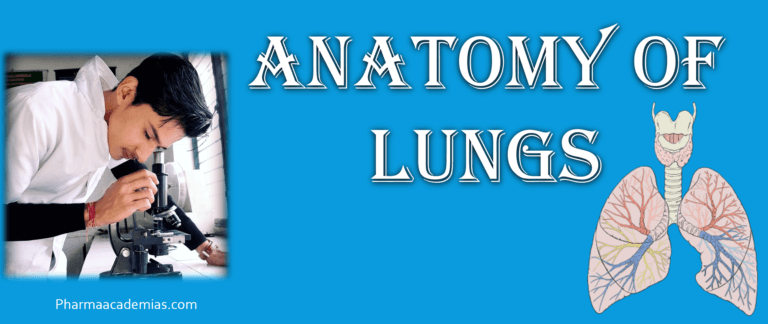
  • Anatomy of lungs

    The lungs are vital organs in the respiratory system, exchanging oxygen (O2) and carbon dioxide (CO2) between the blood and the air. Understanding their anatomy is crucial for comprehending their function and how they support respiration. 1. Lobes: •Each lung is divided into lobes. The right lung has three lobes: the upper, middle, and lower…