
Amla as Health Food: Amla, commonly known as Indian Gooseberry, is one of the most revered medicinal plants in traditional systems of medicine, particularly Ayurveda. Scientifically identified as Phyllanthus emblica (syn. Emblica officinalis), it belongs to the family Phyllanthaceae and is widely distributed across the Indian subcontinent and Southeast Asia.
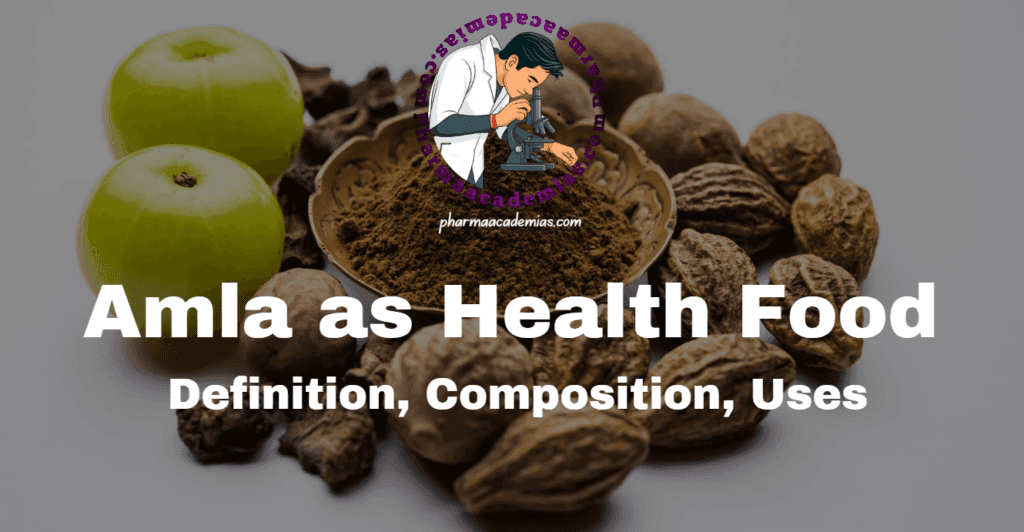
Amla is recognized as a potent nutraceutical and functional food due to its exceptionally high content of vitamin C, polyphenols, and other bioactive phytochemicals. It is a key component of several classical Ayurvedic formulations such as Triphala and Chyawanprash, where it serves as a rejuvenating (Rasayana) agent.
Its wide-ranging therapeutic properties—including antioxidant, anti-inflammatory, immunomodulatory, and adaptogenic effects—make amla an important herb in both traditional and modern healthcare systems.
Botanical and Agronomic Profile Amla as Health Food
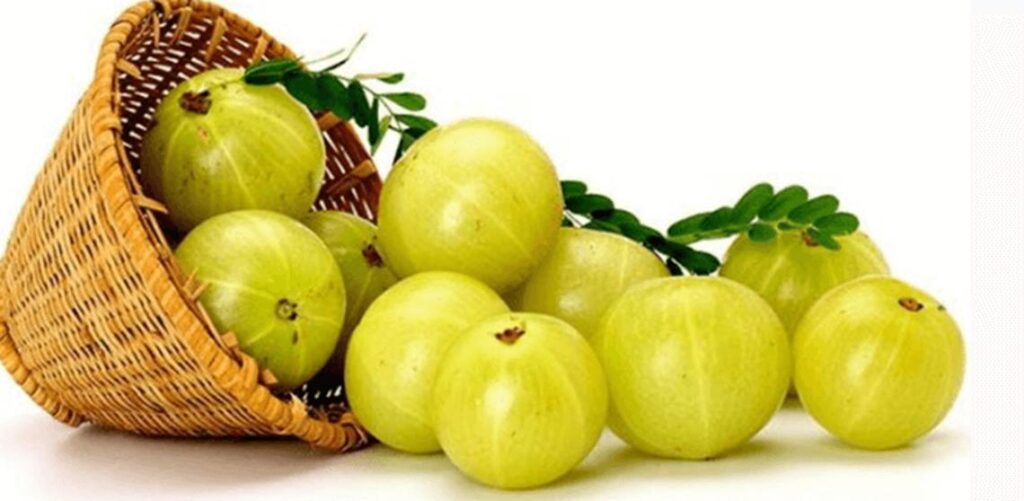
Amla is a medium-sized deciduous tree characterized by a crooked trunk, feathery leaves, and small greenish-yellow flowers. The fruit is nearly spherical, light green to yellow in color, with a smooth and hard surface.
The plant thrives in tropical and subtropical climates and is highly resistant to adverse environmental conditions. The fruit is the primary medicinal part, although other parts such as leaves, bark, and seeds also possess therapeutic value.
Nutritional and Phytochemical Composition Amla as Health Food
The remarkable health benefits of amla are attributed to its rich and diverse chemical composition, which includes both essential nutrients and potent bioactive compounds.
Nutritional Components
Amla is an abundant source of:
- Vitamin C (ascorbic acid) in exceptionally high concentrations
- Carbohydrates and dietary fibers
- Essential amino acids
- Vitamins such as A and B-complex
- Minerals including calcium, phosphorus, iron, and potassium
The stability of vitamin C in amla, even after processing, is enhanced by the presence of tannins.
Bioactive Phytoconstituents Amla as Health Food
Amla contains a wide range of phytochemicals that contribute to its therapeutic efficacy:
- Tannins (e.g., emblicanin A and B), responsible for antioxidant activity
- Flavonoids and polyphenols, which protect against oxidative stress
- Gallic acid and ellagic acid, known for anti-inflammatory and anticancer properties
- Pectin, contributing to digestive health
These compounds act synergistically to exert multiple pharmacological effects.
Amla as a Functional Health Food Amla as Health Food
Amla is widely consumed as a functional food due to its nutritional density and therapeutic versatility. It is available in various forms, including fresh fruit, juice, powder, and processed formulations.
Its regular consumption is associated with:
- Enhanced immunity
- Improved digestion
- Detoxification and rejuvenation
- Maintenance of metabolic balance
Amla is a cornerstone of preventive healthcare and is often included in daily dietary regimens.
Health Benefits of Amla as Health Food
Amla exhibits a broad spectrum of health-promoting properties, making it one of the most powerful herbal nutraceuticals.
Potent Antioxidant Activity
Amla is one of the richest natural sources of antioxidants. Its vitamin C and polyphenolic compounds:
- Neutralize free radicals
- Reduce oxidative stress
- Protect cellular components from damage
This plays a crucial role in preventing aging and chronic diseases.
Immunomodulatory Effects
Amla enhances immune function by:
- Stimulating immune cell activity
- Increasing resistance to infections
- Supporting overall immune health
It is widely used as a natural immune booster.
Role in Cardiovascular Health
Amla contributes to cardiovascular health by:
- Lowering cholesterol levels
- Improving lipid profile
- Reducing blood pressure
- Preventing atherosclerosis
Role in Diabetes Management
Amla has shown significant potential in regulating blood glucose levels by:
- Enhancing insulin sensitivity
- Reducing blood sugar levels
- Improving metabolic function
Gastrointestinal Benefits
Amla supports digestive health through:
- Improving appetite and digestion
- Regulating bowel movements
- Protecting gastric mucosa
It is commonly used in the management of acidity, constipation, and ulcers.
Hepatoprotective Activity
Amla protects liver function by:
- Enhancing detoxification processes
- Reducing liver inflammation
- Preventing hepatic damage
Anti-inflammatory and Anti-aging Effects
Amla reduces inflammation and slows down aging processes by:
- Inhibiting inflammatory mediators
- Promoting collagen synthesis
- Enhancing skin and hair health
Role in Cancer Prevention
The presence of polyphenols and tannins enables amla to:
- Inhibit cancer cell proliferation
- Induce apoptosis
- Protect DNA from damage
Mechanisms of Action
The pharmacological effects of amla are mediated through multiple mechanisms:
- Scavenging of reactive oxygen species
- Enhancement of endogenous antioxidant enzymes
- Modulation of inflammatory pathways
- Regulation of glucose and lipid metabolism
- Strengthening of immune responses
These mechanisms highlight its role as a multi-target nutraceutical agent.
Commercial Forms and Applications
Amla is widely available in various forms:
- Fresh fruit
- Juice and syrups
- Dried powder
- Capsules and tablets
- Herbal formulations (e.g., chyawanprash)
It is used in food, pharmaceutical, and cosmetic industries.
Safety and Precautions
Amla is generally safe for consumption; however, certain precautions should be considered:
- Excess intake may cause mild gastrointestinal discomfort
- Should be used cautiously in individuals with hypoglycemia
- Possible interactions with antidiabetic medications
Conclusion
Amla (Phyllanthus emblica) is a highly potent herbal health food with exceptional nutritional and therapeutic value. Its rich content of vitamin C, antioxidants, and bioactive compounds enables it to exert a wide range of health benefits, including antioxidant, immunomodulatory, cardioprotective, and antidiabetic effects. As a cornerstone of traditional medicine and modern nutraceutical science, amla continues to play a vital role in promoting health, preventing disease, and enhancing overall well-being.
Editorial Note
This article has been carefully researched and written by Deepak Rajput with a focus on accuracy, clarity, and evidence-based healthcare information. Pharmaacademias.com