
Ginkgo biloba is one of the oldest living tree species and a highly valued medicinal plant widely used for its neuroprotective, cognitive-enhancing, and circulatory benefits. Scientifically known as Ginkgo biloba, it belongs to the family Ginkgoaceae and is often referred to as a “living fossil” due to its ancient evolutionary origin.
Ginkgo has been extensively utilized in traditional Chinese medicine and is now globally recognized as a potent nutraceutical and herbal drug, particularly in the management of cognitive disorders, memory impairment, and peripheral vascular diseases.
The medicinal activity of Ginkgo is primarily attributed to its standardized leaf extracts, which contain a unique combination of flavonoids and terpenoids.
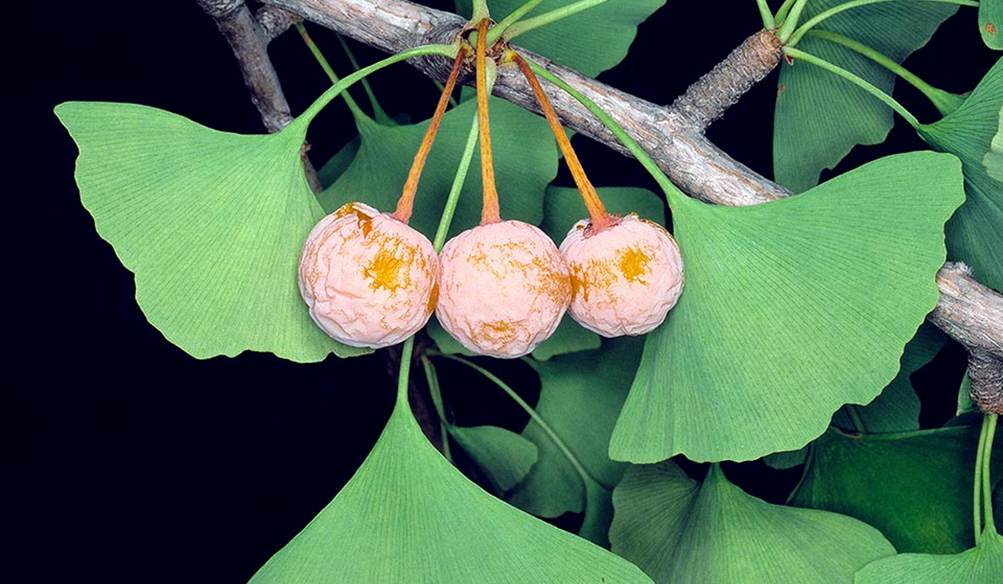
Botanical and Pharmacognostic Profile of Ginkgo biloba
Ginkgo biloba is a large deciduous tree characterized by:
- Distinctive fan-shaped leaves with dichotomous venation
- Tall, straight trunk with extensive branching
- Production of seeds (often mistakenly called fruits) with a strong odor
The leaves are the primary medicinal part used in herbal preparations.
Phytochemical Composition
The therapeutic efficacy of Ginkgo biloba is due to its complex phytochemical profile:
Major Bioactive Constituents
- Flavonoid glycosides (e.g., quercetin, kaempferol) – antioxidant activity
- Terpenoids:
- Ginkgolides (A, B, C) – platelet-activating factor (PAF) antagonists
- Bilobalide – neuroprotective effects
Other Constituents
- Organic acids
- Proanthocyanidins
- Trace alkaloids
These compounds act synergistically to produce pharmacological effects.
Pharmacological Actions of Ginkgo biloba
Ginkgo biloba exhibits multiple pharmacological activities:
- Neuroprotective
- Cognitive enhancer (nootropic)
- Antioxidant
- Anti-inflammatory
- Vasodilatory
- Antiplatelet
Mechanism of Action
The pharmacological effects of Ginkgo are mediated through several mechanisms:
- Enhancement of cerebral blood flow through vasodilation
- Antagonism of platelet-activating factor (PAF), reducing platelet aggregation
- Scavenging of free radicals, protecting neurons from oxidative damage
- Modulation of neurotransmitters (e.g., acetylcholine, dopamine)
- Protection of mitochondrial function and neuronal integrity
Therapeutic Uses of Ginkgo biloba
Ginkgo biloba is widely used in the management of:
- Alzheimer’s disease and dementia
- Memory loss and cognitive decline
- Peripheral vascular disorders (e.g., intermittent claudication)
- Vertigo and tinnitus
- Anxiety and mood disorders
Side Effects of Ginkgo biloba
Ginkgo is generally well tolerated, but some adverse effects may occur.
Common Side Effects
- Headache
- Dizziness
- Gastrointestinal disturbances (nausea, diarrhea)
- Allergic skin reactions
Bleeding Risk (Major Concern)
Due to its antiplatelet activity, Ginkgo may increase the risk of:
- Bleeding
- Hemorrhage
- Prolonged clotting time
This is particularly important in patients undergoing surgery or taking anticoagulants.
Central Nervous System Effects
- Mild restlessness
- Insomnia (rare cases)
Rare Adverse Effects
- Seizures (especially with excessive intake or contaminated products)
Herb–Drug Interactions
Ginkgo biloba has several clinically significant interactions, primarily related to its effects on platelet aggregation and drug metabolism.
Interaction with Anticoagulants and Antiplatelet Drugs
Ginkgo enhances the effect of drugs such as:
- Warfarin
- Aspirin
- Clopidogrel
This may lead to:
- Increased bleeding risk
- Hemorrhagic complications
Interaction with NSAIDs
- Increased risk of gastrointestinal bleeding
Interaction with Antidepressants
- Possible interaction with SSRIs, increasing risk of serotonin-related effects
Interaction with Antiepileptic Drugs
- May reduce seizure threshold or alter drug efficacy
Interaction with Antihypertensive Drugs
- May enhance blood pressure-lowering effects
Herb–Food Interactions
Ginkgo may interact with certain foods:
- Foods with anticoagulant properties (e.g., garlic, ginger) may increase bleeding risk
- Alcohol may enhance CNS effects
Clinical Significance
The interactions of Ginkgo biloba are clinically important because they can:
- Increase bleeding risk
- Alter drug efficacy
- Lead to adverse effects in vulnerable patients
Special caution is required in:
- Elderly patients
- Patients on anticoagulant therapy
- Individuals undergoing surgery
Safety and Precautions
- Avoid use before surgical procedures
- Use cautiously with anticoagulants and antiplatelet drugs
- Not recommended during pregnancy and lactation
- Use standardized extracts to ensure safety and efficacy
Conclusion
Ginkgo biloba is a highly valuable herbal drug with significant neuroprotective, cognitive-enhancing, and circulatory benefits. Its pharmacological activity is primarily due to flavonoids and terpenoids, which exert antioxidant, vasodilatory, and antiplatelet effects.
However, its use is associated with important side effects and drug interactions, particularly related to bleeding risk. Therefore, Ginkgo biloba should be used with careful clinical consideration and proper monitoring to ensure safe and effective therapeutic outcomes.