Introduction
Hygiene and health are fundamentally interlinked domains that together shape an individual’s overall well-being and the health status of communities at large. While health is a state of physical, mental, and social well-being, hygiene refers to the conditions and practices that help preserve health and prevent disease, particularly through cleanliness and sanitation. In this context, personal hygiene, basic health care awareness, and the avoidance of harmful habits serve as the cornerstones of disease prevention, longevity, and quality of life.
1. Personal Hygiene: A Pillar of Preventive Health
a. Definition and Scope
Personal hygiene encompasses the daily practices that individuals adopt to care for their body and surroundings. It includes cleanliness, grooming, and lifestyle routines that safeguard against infections and chronic illnesses.
b. Key Components of Personal Hygiene
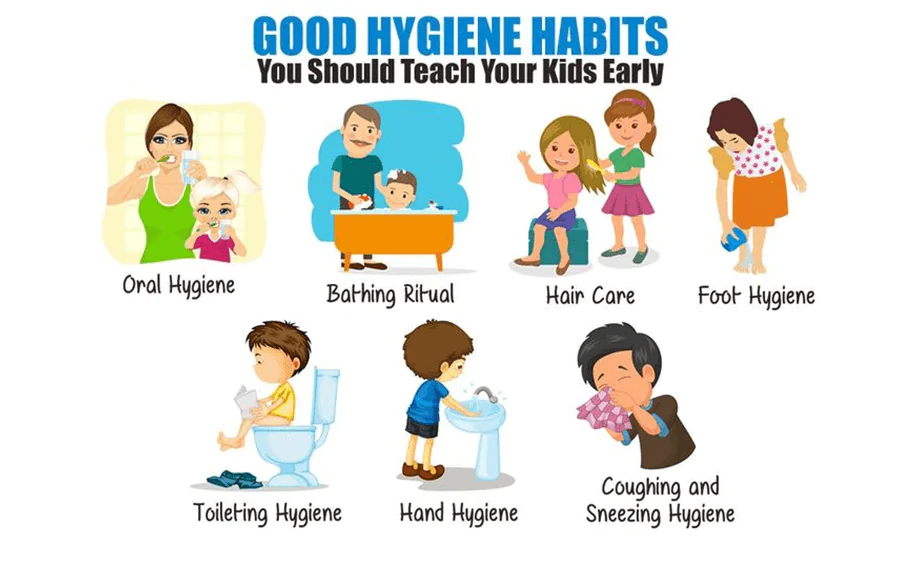
- Oral Hygiene: Brushing teeth twice daily, flossing, and regular dental check-ups help prevent dental caries, gum diseases, and bad breath.
- Hand Hygiene: Proper and frequent handwashing with soap—especially before meals and after toilet use—prevents gastrointestinal infections, respiratory illnesses, and communicable diseases like cholera, typhoid, and COVID-19.
- Bathing and Skin Care: Regular bathing removes sweat, dirt, and microbes, reducing the risk of skin infections, fungal diseases, and body odor.
- Hair and Scalp Care: Clean hair and scalp prevent lice infestation, dandruff, and folliculitis.
- Nail Hygiene: Trimming and cleaning nails reduce the transmission of germs and parasitic infections.
- Clothing and Footwear: Wearing clean, weather-appropriate clothes and proper footwear helps prevent skin diseases, fungal infections, and foot ulcers, especially among diabetic individuals.
- Menstrual Hygiene: Using clean and safe menstrual products, changing them regularly, and ensuring genital hygiene are essential for reproductive health and prevention of urinary tract infections (UTIs).
c. Psychological and Social Impact
Good personal hygiene is also linked to self-esteem, social acceptance, and mental well-being. People who maintain hygiene are perceived positively, while neglect can lead to social isolation and psychological distress.
2. Health Care: A Preventive and Curative Paradigm
Health care goes beyond hospitals and treatment—it encompasses a holistic system aimed at prevention, early diagnosis, treatment, and health promotion.
a. Primary Health Care Practices
- Immunization: Vaccinations prevent deadly diseases such as measles, polio, hepatitis, and HPV.
- Regular Health Check-Ups: Screening for blood pressure, blood sugar, cancer markers, and eye or dental problems can lead to early detection and better prognosis.
- Reproductive and Maternal Health: Antenatal and postnatal care reduce maternal and infant mortality and promote safe childbirth.
- Health Education: Awareness campaigns on nutrition, hygiene, mental health, and sexual health empower people to make informed health decisions.
b. Role of Health Infrastructure and Access
Accessible and affordable health care is crucial. Primary health centers, mobile clinics, telemedicine, and community health workers bridge the gap between individuals and medical services, particularly in rural and underserved areas.
3. Avoidable Habits and Their Health Consequences
Certain habits, often acquired due to social influence, stress, ignorance, or lifestyle choices, can significantly deteriorate health. Recognizing and avoiding these is vital for long-term well-being.
a. Substance Abuse
- Tobacco: Leads to oral cancers, lung diseases, cardiovascular disorders, and reduces life expectancy.
- Alcohol: Excessive alcohol intake is linked to liver cirrhosis, hypertension, domestic violence, and mental disorders.
- Illicit Drugs: Heroin, cocaine, and synthetic drugs cause neurological damage, addiction, infections (HIV, Hepatitis B/C) through needle sharing.
b. Unhealthy Dietary Habits: High consumption of processed foods, saturated fats, sugars, and salt contributes to obesity, diabetes, hypertension, and coronary artery disease.Skipping meals, overeating, and emotional eating disturb metabolic balance and can trigger gastrointestinal issues.
c. Physical Inactivity: Sedentary lifestyles—due to long hours of screen use, work-from-home routines, or lack of motivation—contribute to musculoskeletal disorders, obesity, and mental fatigue.
d. Poor Sleep Hygiene: Inadequate sleep or irregular sleep patterns impair immune function, mental concentration, hormonal balance, and are linked to anxiety and depression.
e. Unsafe Sexual Practices: Multiple partners, unprotected intercourse, and lack of awareness about STDs contribute to HIV/AIDS, syphilis, gonorrhea, infertility, and social stigma.
4. Cultural and Social Influences on Hygiene Practices
Cultural norms and traditional beliefs shape hygiene habits in profound ways. While some promote cleanliness (e.g., daily bathing in Indian culture), others may hinder hygienic practices due to taboos, stigma, or misinformation—such as myths surrounding menstruation, open defecation, or reluctance to vaccinate. Therefore, behavior change communication (BCC) and community engagement are essential for lasting transformation.
5. Promoting Hygiene and Healthy Habits: A Community Responsibility
Improving personal hygiene and discouraging harmful habits is not solely an individual responsibility—it requires collective societal effort:
- Schools and colleges should include health and hygiene education as a regular part of the curriculum.
- Media campaigns and public health messages must be used to counter misinformation and reinforce best practices.
- Public policy and legislation, such as bans on smoking in public places or mandatory labeling on tobacco products, help create enabling environments.
- Role of family and peer influence is equally significant in shaping healthy attitudes from an early age.
Conclusion
Hygiene and health are not privileges—they are fundamental rights and responsibilities. Personal hygiene and proactive health care practices serve as the first line of defense against disease, while the elimination of avoidable habits ensures sustained wellness. A holistic approach that integrates knowledge, behavior, infrastructure, and community involvement can transform hygiene into a social norm and health into a lifelong achievement.
In today’s world, where both communicable and non-communicable diseases challenge public health systems, the practice of clean living, preventive health care, and mindful choices is not just beneficial—it is indispensable.