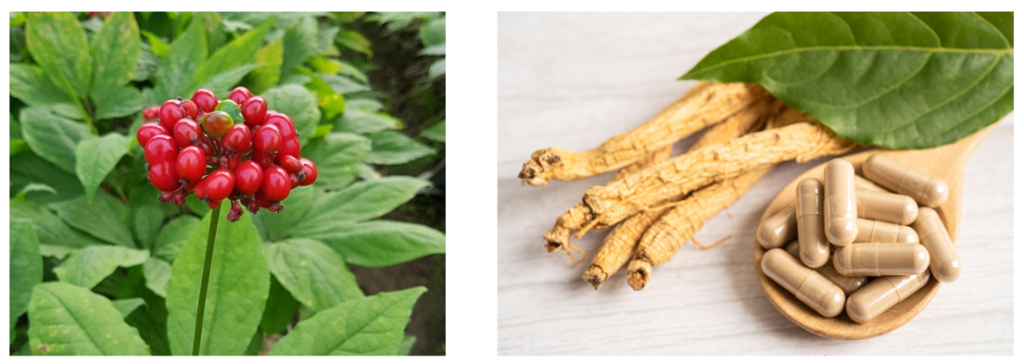
Ginseng is one of the most widely used and extensively studied herbal drugs, known for its adaptogenic, immunomodulatory, and performance-enhancing properties. Scientifically identified as Panax ginseng, it belongs to the family Araliaceae and has been used for centuries in traditional Chinese and Korean medicine.
The term Panax signifies “panacea” or “all-healing,” reflecting its broad therapeutic potential. Ginseng is primarily used to enhance physical endurance, cognitive function, immune response, and stress resistance. It is a major component of many nutraceutical and functional food formulations.
However, despite its benefits, Ginseng is associated with notable side effects and clinically significant herb–drug interactions, particularly when used in high doses or in combination with other medications.
Botanical and Pharmacognostic Profile of Herbal Drug Ginseng
Ginseng is a slow-growing perennial herb characterized by:
- Thick, fleshy roots (medicinally important part)
- Palmate leaves
- Small greenish flowers and red berries
The root, which resembles the human body, is the primary part used in herbal medicine.
Phytochemical Composition
The pharmacological activity of Ginseng is mainly attributed to:
- Ginsenosides (triterpenoid saponins) – primary active compounds
- Polysaccharides – immunomodulatory effects
- Peptides and polyacetylenes
- Flavonoids and phenolic compounds
Ginsenosides are responsible for most of the adaptogenic and pharmacological actions.
Pharmacological Actions of Herbal Drug Ginseng
Ginseng exhibits a wide range of pharmacological effects:
- Adaptogenic (anti-stress)
- Immunomodulatory
- Antioxidant
- Antidiabetic
- Neuroprotective
- Cardioprotective
Mechanism of Action
Ginseng acts through multiple mechanisms:
- Modulation of the hypothalamic-pituitary-adrenal (HPA) axis
- Regulation of neurotransmitters (dopamine, serotonin)
- Enhancement of nitric oxide synthesis (vasodilation)
- Antioxidant activity via free radical scavenging
- Regulation of glucose metabolism
Therapeutic Uses of Herbal Drug Ginseng
Ginseng is widely used in the management of:
- Fatigue and stress
- Cognitive decline and memory disorders
- Diabetes mellitus
- Immune deficiencies
- Sexual dysfunction
Side Effects of Ginseng of Herbal Drug Ginseng
Although generally considered safe, Ginseng may produce adverse effects, particularly with excessive or prolonged use.
Common Side Effects
- Insomnia (most common)
- Headache
- Nervousness and restlessness
- Gastrointestinal disturbances
Cardiovascular Effects
- Increased heart rate
- Elevated blood pressure (in some cases)
Central Nervous System Effects
- Anxiety
- Excitability
- Overstimulation
Hormonal Effects
- Estrogen-like activity may cause:
- Breast tenderness
- Menstrual irregularities
Ginseng Abuse Syndrome
Chronic high-dose use may lead to a condition known as:
Ginseng Abuse Syndrome, characterized by:
- Hypertension
- Nervousness
- Insomnia
- Skin eruptions
Herb–Drug Interactions
Ginseng is known to interact with several drugs, influencing their pharmacological effects.
Interaction with Anticoagulants
- May reduce the effectiveness of drugs like warfarin
- Alters clotting time, affecting therapeutic outcomes
Interaction with Antidiabetic Drugs
- Enhances hypoglycemic effect
- May lead to hypoglycemia
Interaction with Antihypertensive Drugs
- May either increase or decrease blood pressure
- Unpredictable interaction
Interaction with CNS Stimulants
- May enhance stimulant effects, leading to:
- Nervousness
- Insomnia
Interaction with Antidepressants (MAO Inhibitors)
- May cause:
- Headache
- Mania
- Tremors
Interaction with Immunosuppressants
- May reduce effectiveness due to immune stimulation
Herb–Food Interactions
Ginseng may interact with certain dietary substances:
- Caffeine-containing foods may enhance stimulant effects
- High-sugar diets may interfere with its antidiabetic benefits
Clinical Significance
The interactions of Ginseng are clinically important because they can:
- Alter drug efficacy
- Increase risk of adverse effects
- Complicate management of chronic diseases
Special caution is required in:
- Diabetic patients
- Hypertensive individuals
- Patients on anticoagulant therapy
Safety and Precautions
- Avoid excessive or prolonged use
- Use cautiously in patients with hypertension
- Avoid combination with stimulants (e.g., caffeine)
- Not recommended during pregnancy without medical advice
- Monitor blood glucose and blood pressure during use
Conclusion
Ginseng (Panax ginseng) is a highly potent herbal drug with extensive therapeutic applications, particularly as an adaptogen and immunomodulator. Its bioactive compounds, especially ginsenosides, contribute to its wide-ranging pharmacological effects. However, its use is associated with significant side effects and herb–drug interactions, particularly involving the cardiovascular, endocrine, and nervous systems.
Therefore, Ginseng should be used with careful clinical supervision and awareness of its interaction potential, ensuring safe and effective therapeutic outcomes.