
Ginseng is one of the most renowned medicinal herbs globally, widely recognized for its adaptogenic, rejuvenating, and health-promoting properties. Scientifically known as Panax ginseng, it belongs to the family Araliaceae and has been extensively used in traditional systems of medicine, particularly in Chinese, Korean, and Japanese medicine for thousands of years.
The term Panax is derived from the Greek word meaning “all-healing,” reflecting its broad therapeutic potential. Ginseng is considered a potent nutraceutical and functional health food, capable of enhancing physical endurance, mental performance, immune function, and resistance to stress.
Its pharmacological activity is primarily attributed to a group of bioactive compounds known as ginsenosides, which exert diverse effects on various physiological systems.
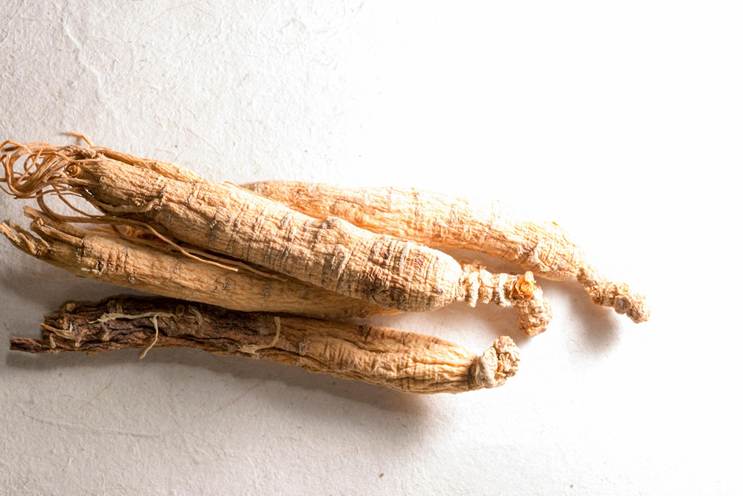
Botanical and Agronomic Profile of Ginseng as Health Food
Ginseng is a slow-growing perennial herb characterized by a fleshy root that resembles the human body, which historically contributed to its perceived medicinal value.
Key features include:
- Thick, branched roots (medicinally important part)
- Palmate leaves with serrated edges
- Small greenish-white flowers followed by red berries
Ginseng requires specific climatic conditions, including shaded environments and well-drained soil, and typically takes several years to mature, which contributes to its high economic value.
Nutritional and Phytochemical Composition of Ginseng as Health Food
The therapeutic efficacy of ginseng is attributed to its complex and diverse chemical composition, consisting of both essential nutrients and potent bioactive compounds.
Nutritional Components
Ginseng contains:
- Carbohydrates and polysaccharides
- Amino acids and peptides
- Vitamins such as B-complex and vitamin C
- Minerals including potassium, calcium, iron, and magnesium
Bioactive Phytoconstituents
The major active constituents of ginseng include:
- Ginsenosides (triterpenoid saponins) – primary pharmacologically active compounds
- Polysaccharides – contribute to immunomodulatory effects
- Peptides and polyacetylenes – involved in metabolic regulation
- Flavonoids and phenolic compounds – provide antioxidant activity
Ginsenosides are responsible for most of the adaptogenic and therapeutic properties of ginseng.
Functions of Ginseng as Health Food
Ginseng is widely used as a functional food due to its ability to enhance overall vitality, endurance, and resistance to stress. It is commonly consumed in the form of extracts, teas, capsules, and powders.
Its inclusion in the diet is associated with:
- Improved physical performance
- Enhanced cognitive function
- Better stress management
- Strengthened immune response
Ginseng is often regarded as a “tonic herb” that promotes general well-being.
Health Benefits of Ginseng
Ginseng exhibits a wide spectrum of pharmacological activities, making it a highly versatile nutraceutical.
Adaptogenic and Anti-stress Effects
Ginseng is classified as an adaptogen, meaning it helps the body adapt to physical, chemical, and biological stressors.
It:
- Regulates stress hormones
- Enhances resilience to fatigue
- Improves overall energy levels
Cognitive and Neuroprotective Effects
Ginseng supports brain health by:
- Enhancing memory and concentration
- Improving cognitive performance
- Protecting neurons from oxidative damage
It is beneficial in conditions such as mental fatigue and age-related cognitive decline.
Immunomodulatory Activity
Ginseng strengthens the immune system by:
- Stimulating immune cell activity
- Enhancing resistance to infections
- Modulating immune responses
Antioxidant and Anti-inflammatory Effects
The antioxidant properties of ginseng help in:
- Neutralizing free radicals
- Reducing oxidative stress
- Preventing chronic diseases
Its anti-inflammatory effects further support overall health.
Role in Diabetes Management
Ginseng has shown potential in regulating blood glucose levels by:
- Improving insulin sensitivity
- Reducing blood sugar levels
- Enhancing glucose metabolism
Cardiovascular Benefits
Ginseng contributes to cardiovascular health by:
- Improving blood circulation
- Reducing blood pressure
- Modulating lipid profile
Anti-cancer Potential
Ginseng exhibits anticancer properties through:
- Inhibition of tumor growth
- Induction of apoptosis
- Modulation of immune responses
Sexual and Reproductive Health
Ginseng is traditionally used to enhance:
- Libido and sexual performance
- Fertility
- Hormonal balance
Mechanisms of Action
The pharmacological effects of ginseng are mediated through multiple mechanisms:
- Modulation of the hypothalamic-pituitary-adrenal (HPA) axis
- Regulation of neurotransmitter activity
- Antioxidant activity via free radical scavenging
- Enhancement of immune cell function
- Modulation of glucose and lipid metabolism
These mechanisms demonstrate its role as a multi-target and adaptogenic nutraceutical agent.
Types of Ginseng
Different types of ginseng are used based on processing methods:
- Fresh ginseng (unprocessed)
- White ginseng (air-dried)
- Red ginseng (steamed and dried, more potent)
Each type exhibits varying pharmacological properties.
Commercial Forms and Applications
Ginseng is widely available in various forms:
- Dried roots
- Powders
- Capsules and tablets
- Liquid extracts
- Herbal teas and beverages
It is used in dietary supplements, functional foods, and traditional medicines.
Safety and Precautions
Ginseng is generally safe when used appropriately; however, certain precautions are necessary:
- Excess consumption may cause insomnia or nervousness
- May interact with anticoagulants and antidiabetic drugs
- Should be used cautiously in hypertensive patients
- Long-term use should be monitored
Conclusion
Ginseng (Panax ginseng) is a highly potent herbal health food with extensive therapeutic applications. Its rich composition of ginsenosides and other bioactive compounds enables it to exert adaptogenic, antioxidant, immunomodulatory, and metabolic regulatory effects. As a versatile nutraceutical, ginseng plays a crucial role in enhancing physical and mental performance, supporting immune health, and preventing chronic diseases.
With its long-standing traditional use and growing scientific validation, ginseng continues to be a cornerstone of modern functional nutrition and integrative medicine.