Garlic is one of the most ancient and extensively utilized medicinal herbs, widely acknowledged for its remarkable therapeutic potential and nutritional value. Scientifically known as Allium sativum, it belongs to the family Amaryllidaceae and has been used for centuries across diverse traditional systems of medicine, including Ayurveda, Unani, Egyptian, and Chinese medicine.
Renowned as a powerful functional food and nutraceutical, garlic possesses a wide array of pharmacological properties, including cardioprotective, antimicrobial, antioxidant, anti-inflammatory, and anticancer effects. Its medicinal efficacy is largely attributed to sulfur-containing compounds, which are responsible for its characteristic odor and biological activity.
In contemporary healthcare, garlic is increasingly recognized not only as a culinary ingredient but also as a therapeutic agent capable of modulating multiple physiological and biochemical pathways.
Botanical and Agronomic Profile Garlic as Health Food
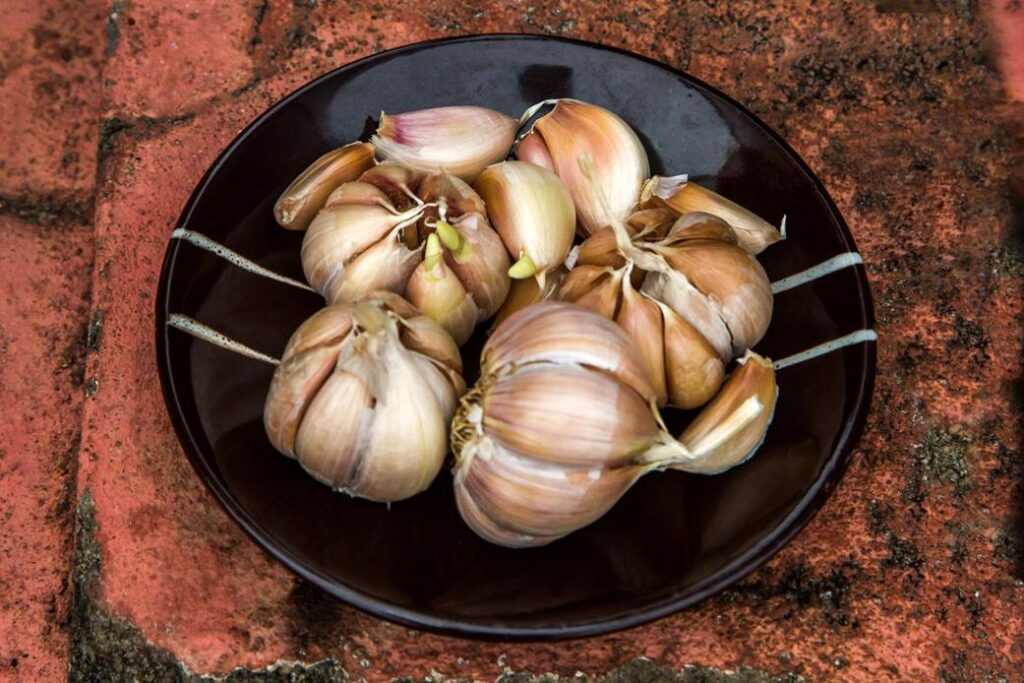
Garlic is a perennial bulbous plant characterized by underground bulbs composed of multiple cloves enclosed in a papery sheath. The plant produces long, narrow leaves and a flowering stalk, although it is primarily propagated vegetatively through cloves.
It thrives in temperate climates and well-drained soils. Each bulb consists of several cloves, which serve as both the edible and medicinal parts of the plant.
The cultivation of garlic is relatively simple, and its widespread use is attributed to its adaptability and high medicinal value.
Nutritional and Phytochemical Composition Garlic as Health Food
Garlic exhibits a highly complex chemical composition, which underlies its diverse biological activities.
Nutritional Components
Garlic contains:
- Carbohydrates and dietary fibers
- Moderate amounts of proteins
- Vitamins such as vitamin C, B6, and folate
- Minerals including selenium, calcium, potassium, and iron
Bioactive Phytoconstituents
The therapeutic properties of garlic are primarily due to its sulfur-containing compounds:
- Alliin, a precursor compound present in intact garlic
- Allicin, formed enzymatically when garlic is crushed or chopped
- Ajoene and diallyl sulfides, contributing to cardiovascular and anticancer effects
- Flavonoids and polyphenols, providing antioxidant activity
Allicin is particularly important due to its potent antimicrobial and cardioprotective properties.
Garlic as a Functional Health Food
Garlic is widely consumed as a functional food due to its ability to influence multiple physiological systems. It is used in various forms, including fresh cloves, powders, oils, and extracts.
Regular consumption of garlic is associated with:
- Improved cardiovascular health
- Enhanced immune function
- Protection against infections
- Reduction in oxidative stress
Its incorporation into daily diet reflects its role in preventive and therapeutic nutrition.
Health Benefits of Garlic
Garlic exhibits a wide range of health-promoting effects, making it one of the most versatile nutraceuticals.
Cardiovascular Protective Effects
Garlic plays a significant role in maintaining cardiovascular health by:
- Reducing total cholesterol and LDL levels
- Increasing HDL cholesterol
- Lowering blood pressure
- Inhibiting platelet aggregation
These effects collectively reduce the risk of atherosclerosis, hypertension, and coronary artery disease.
Antimicrobial Activity
Garlic exhibits broad-spectrum antimicrobial activity against bacteria, viruses, fungi, and parasites.
Allicin disrupts microbial cell membranes and inhibits enzyme activity, making garlic effective in:
- Treating infections
- Enhancing immune defense
Antioxidant Properties
Garlic acts as a potent antioxidant by:
- Neutralizing free radicals
- Reducing oxidative stress
- Protecting cellular components from damage
This contributes to the prevention of chronic diseases.
Anti-inflammatory Effects
Garlic reduces inflammation by inhibiting pro-inflammatory mediators, making it beneficial in:
- Arthritis
- Chronic inflammatory disorders
- Cardiovascular diseases
Role in Cancer Prevention
Garlic has demonstrated potential anticancer properties by:
- Inducing apoptosis in cancer cells
- Inhibiting tumor growth
- Preventing DNA damage
Sulfur compounds such as diallyl sulfides play a crucial role in these effects.
Role in Diabetes Management
Garlic contributes to glycemic control by:
- Enhancing insulin sensitivity
- Reducing blood glucose levels
- Improving metabolic function
Immunomodulatory Effects
Garlic strengthens the immune system by:
- Enhancing the activity of immune cells
- Stimulating defense mechanisms
- Protecting against infections
Mechanisms of Action
The pharmacological effects of garlic are mediated through multiple mechanisms:
- Conversion of alliin to allicin upon tissue damage
- Inhibition of cholesterol synthesis enzymes
- Modulation of inflammatory pathways
- Scavenging of reactive oxygen species
- Inhibition of platelet aggregation
These mechanisms highlight garlic’s multi-targeted therapeutic action.
Commercial Forms and Applications
Garlic is available in various forms for dietary and medicinal use:
- Fresh garlic cloves
- Garlic powder
- Garlic oil and extracts
- Capsules and tablets (standardized formulations)
It is widely used in functional foods, dietary supplements, and pharmaceutical preparations.
Safety and Precautions
Garlic is generally safe when consumed in moderate amounts; however, certain precautions are necessary:
- Excess intake may cause gastrointestinal irritation
- Strong odor may be undesirable
- May interact with anticoagulant drugs (risk of bleeding)
- High doses should be avoided before surgery
Conclusion
Garlic (Allium sativum) is a highly potent herbal health food with extensive therapeutic applications. Its rich composition of sulfur-containing compounds and antioxidants enables it to exert cardioprotective, antimicrobial, anti-inflammatory, and anticancer effects. As a natural nutraceutical, garlic plays a crucial role in promoting overall health and preventing chronic diseases.
With its long history of medicinal use and growing scientific validation, garlic continues to be a cornerstone of functional nutrition and integrative healthcare.