
Effective Obesity Treatment: Managing obesity is far more than simply shedding pounds—it is a comprehensive approach aimed at enhancing overall health, improving quality of life, and preventing a spectrum of long-term complications associated with excess body fat. The process begins with a thorough understanding of each individual’s unique circumstances, achieved through a detailed medical history, careful physical examination, and appropriate diagnostic investigations. This holistic assessment enables healthcare providers to evaluate potential risks and formulate a personalized, evidence-based treatment strategy tailored to each patient.
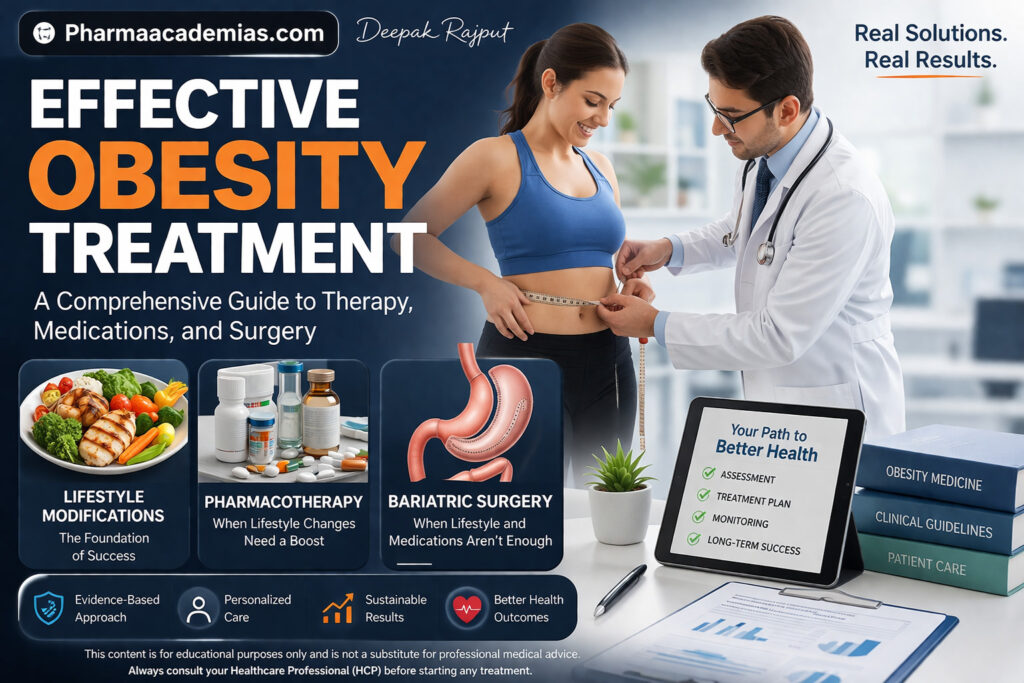
It is crucial to recognize that not everyone with a high Body Mass Index (BMI) requires active intervention. BMI, while a useful screening tool, does not directly measure body fat, assess fat distribution, or capture the full spectrum of metabolic health. Nevertheless, for individuals experiencing obesity-related health conditions—such as type 2 diabetes, hypertension, dyslipidemia, or cardiovascular disease—proactive weight management can profoundly improve health outcomes and reduce the risk of future complications.
Lifestyle modification remains the cornerstone of obesity management. This includes adopting a balanced, nutrient-rich diet, engaging in regular physical activity, and incorporating behavioral strategies that support sustainable habits. For patients with higher BMI or significant comorbidities, adjunctive treatments—such as pharmacotherapy or bariatric surgery—may be considered as part of a multifaceted approach.
Setting realistic, achievable goals is essential to long-term success. Even a modest weight reduction of 8–10% over six months can yield substantial improvements in metabolic health, cardiovascular function, and overall well-being. The key to effective obesity management lies in creating individualized care plans, providing consistent guidance, and fostering ongoing support, ensuring that patients are empowered to make lasting, positive changes in their health.
Lifestyle Strategies for Effective Obesity Treatment
When it comes to managing obesity, lifestyle forms the cornerstone of effective care. Successful interventions focus on three interconnected pillars: dietary habits, physical activity, and behavior modification. Since obesity is fundamentally a condition of energy imbalance, it is essential for patients to develop a clear understanding of:
- Energy intake – how and when calories are consumed through food and beverages, emphasizing not just quantity but quality, timing, and nutritional composition.
- Energy expenditure – how and when calories are burned through physical activity, ranging from structured exercise to everyday movement, which collectively influence metabolic health.
- Sustainable behavioral changes – how to integrate lasting, practical adjustments into daily routines, reinforcing habits that support weight control and overall well-being.
Even modest improvements in lifestyle can produce meaningful health benefits. Research demonstrates that structured lifestyle management programs often enable patients to achieve weight loss of 3–5 kg, a significant improvement compared with minimal guidance or standard care. Beyond the numbers on the scale, these lifestyle changes also improve metabolic parameters, reduce cardiovascular risk, and enhance overall quality of life. Ultimately, empowering patients with knowledge, skills, and consistent support is the key to long-term success in obesity management.
1. Diet Therapy: Smart Eating for Sustainable Weight Loss
The primary objective of diet therapy in obesity management is straightforward: to reduce overall caloric intake in a safe and sustainable manner. Current recommendations from leading authorities—the American Heart Association, American College of Cardiology, and The Obesity Society (AHA/ACC/TOS)—advocate for a daily caloric deficit of 500–750 kcal from a patient’s usual intake. An alternative, practical approach involves prescribing a daily intake of 1200–1500 kcal for women and 1500–1800 kcal for men, with adjustments made according to individual body weight and health status. These strategies are designed to promote a gradual and safe weight loss of approximately 1–2 pounds per week, minimizing the risk of nutrient deficiencies and supporting long-term adherence.
Achieving this caloric deficit can be approached through several practical and evidence-based strategies:
- Portion control: Reducing portion sizes at each meal helps limit calorie intake without drastically changing eating habits.
- Prioritizing nutrient-dense foods: Emphasize fruits, vegetables, and whole grains, which provide essential vitamins, minerals, and fiber while keeping calories in check.
- Selecting lean protein sources: Incorporate lean meats, poultry, fish, and low-fat dairy products to maintain muscle mass and satiety.
- Limiting high-calorie foods: Reduce fried foods, added fats, and oils, which contribute excess calories with little nutritional benefit.
- Replacing sugary drinks: Swap sugar-sweetened beverages with water or other low-calorie alternatives to significantly reduce hidden caloric intake.
Crucially, dietary interventions must be patient-centered. Goals should follow the SMART framework—Specific, Measurable, Agreed upon, Realistic, and Timely—to ensure clarity, accountability, and achievable progress. By combining practical strategies with individualized planning, patients are more likely to adhere to the regimen, achieve meaningful weight loss, and experience lasting improvements in metabolic health and overall well-being.
Macronutrients and Dietary Guidelines
The composition of macronutrients—carbohydrates, proteins, and fats—can and should be tailored to each individual’s preferences, lifestyle, and medical conditions. Rather than following a rigid “one-size-fits-all” approach, the focus is on creating a balanced, sustainable diet that promotes health and reduces long-term risks.
Following the 2020 U.S. Department of Agriculture (USDA) Dietary Guidelines, key recommendations for a health-promoting diet include:
- Diets rich in whole grains, fruits, vegetables, and dietary fiber, which provide essential nutrients and support satiety.
- Sodium intake under 2300 mg/day to help manage blood pressure and cardiovascular risk.
- Fat-free or low-fat dairy products, which supply calcium and protein without excess saturated fat.
- Added sugars and saturated fats limited to less than 10% of daily calories, to prevent excess calorie intake and reduce chronic disease risk.
For practical guidance, patients can visit ChooseMyPlate.gov, which provides tools to translate these general recommendations into specific calorie and portion goals tailored to individual needs.
Portion Control Made Simple
One of the biggest challenges in dieting is managing portion sizes. A practical and convenient solution is the use of meal replacements, such as frozen entrees, protein shakes, or nutrition bars. Research indicates that incorporating meal replacements into a weight management plan can lead to 7–8% weight loss, making them a helpful tool for individuals with busy lifestyles or those who struggle with portion control.
By combining tailored macronutrient choices with practical portion strategies, patients can create a sustainable eating plan that supports weight loss, improves overall health, and fits seamlessly into daily life.
Choosing the Right Diet: It’s About Calories, Not Just Macronutrients
When it comes to dieting, there’s no shortage of debate over low-carb, low-fat, or Mediterranean approaches. Yet research from numerous randomized trials reveals a crucial insight: weight loss is primarily determined by total calorie reduction and adherence, rather than the precise balance of carbohydrates, fats, and proteins.
This means that the most effective diet is ultimately the one a person can follow consistently over the long term. The choice of macronutrient composition should be guided by:
- Personal taste preferences, ensuring meals are enjoyable and sustainable.
- Cooking style and cultural habits, so dietary changes fit naturally into daily life.
- Underlying medical conditions, such as diabetes, high cholesterol, or heart disease, which may require specific nutrient adjustments.
For instance, someone with diabetes may benefit from moderating carbohydrate intake, while a person with elevated cholesterol might focus on limiting saturated fats. Consulting a registered dietitian for personalized medical nutrition therapy can be invaluable, especially when tailoring diets to individual health conditions and comorbidities.
Understanding Energy Density: Eat More, Feel Full, Lose Weight
Another highly effective strategy involves energy density, which refers to the number of calories per unit weight of food. Most people naturally consume a relatively consistent volume of food, regardless of its calorie content. By focusing on energy density, it is possible to eat satisfying portions while still reducing overall calorie intake.
- Low-energy-dense foods are high in water and fiber, helping you feel full without consuming excess calories. Examples include soups, fruits, vegetables, oatmeal, and lean meats.
- High-energy-dense foods pack a lot of calories into small portions, such as cheese, potato chips, red meat, egg yolks, and pretzels.
Incorporating more low-energy-dense foods into meals helps control hunger, reduce total calorie intake, and promote sustainable weight loss. By emphasizing volume and satiety rather than deprivation, patients can enjoy flavorful and satisfying meals while steadily achieving their weight management goals.
Very-Low-Calorie Diets (VLCDs): A Short-Term Intensive Approach
For some patients—particularly those who are moderately to severely obese—lifestyle changes and standard diet therapy may not be sufficient to achieve meaningful weight loss. In these cases, healthcare providers may consider a Very-Low-Calorie Diet (VLCD), an aggressive, medically supervised approach designed for rapid, short-term weight reduction.
VLCDs typically provide 800 calories or fewer per day, including 50–80 grams of protein and all essential vitamins and minerals. The primary goal is to facilitate significant weight loss of 13–23 kg over 3–6 months, producing substantial improvements in metabolic health, cardiovascular risk factors, and overall well-being.
Who Can Benefit from a VLCD?
VLCDs are not suitable for everyone. According to the National Task Force on the Prevention and Treatment of Obesity, ideal candidates include:
- Well-motivated individuals who are committed to following a strict regimen.
- Patients who have not succeeded with standard or less intensive weight-loss approaches.
- Those with medical conditions that may improve quickly with weight loss, such as:
- Poorly controlled type 2 diabetes
- Hypertriglyceridemia
- Obstructive sleep apnea
- Symptomatic peripheral edema
A compelling example comes from the DiRECT trial, which investigated patients with type 2 diabetes and obesity. Participants followed a low-energy formula diet (~825–853 kcal/day) for three months, followed by a structured monthly maintenance program. After 12 months, nearly half of the participants achieved diabetes remission, no longer requiring antidiabetic medications—a striking demonstration of the potential impact of intensive dietary intervention.
Safety First: Medical Supervision is Essential
VLCDs must only be prescribed and monitored by trained healthcare professionals in a medical setting. Continuous monitoring of vital signs, metabolic parameters, and nutrient intake, coupled with high-intensity lifestyle support, is critical to ensure patient safety, prevent complications, and maximize the chances of long-term weight-loss maintenance.

2. Physical Activity Therapy: Moving Towards Sustainable Weight Loss
While exercise alone may not produce dramatic weight loss, it is a critical component of long-term obesity management—especially when combined with dietary changes. Diet often drives initial weight loss, but physical activity is key to maintaining results, improving metabolic health, and enhancing overall wellbeing over time.
How Much Exercise is Needed?
According to the 2018 Physical Activity Guidelines for Americans, adults should aim for:
- 150 minutes of moderate-intensity aerobic activity per week (e.g., brisk walking)
- OR 75 minutes of vigorous-intensity aerobic activity per week (e.g., running)
It is best to spread activity throughout the week and incorporate movement into daily routines rather than trying to fit it all into one or two sessions.
Simple Ways to Stay Active
Not every workout requires a gym membership or structured program. Lifestyle activities can be equally effective for improving cardiorespiratory fitness and supporting weight management. Examples include:
- Brisk walking during lunch breaks or commuting
- Taking the stairs instead of the elevator
- Doing household chores or yard work
- Participating in recreational sports or dance
Reducing sedentary behavior is also critical, as prolonged sitting is linked to higher risks of all-cause mortality and cardiovascular disease.

Tracking Progress and Staying Motivated
Encouraging patients to use a pedometer, accelerometer, or fitness tracker can help monitor daily activity, step counts, or calories burned. These tools provide instant feedback, foster accountability, and make it easier to stay motivated and consistent over time.
Gradual Implementation is Key
Achieving high levels of physical activity—such as over 300 minutes of moderate-intensity exercise per week—can feel overwhelming for many patients. A gradual, stepwise approach, potentially guided by an exercise physiologist or personal trainer, is often the most sustainable way to build fitness, prevent injury, and reach long-term weight management goals.
3. Behavioral Therapy: Building Healthy Habits That Last
Managing obesity goes beyond what you eat or how much you move—it also requires changing habits, routines, and mindset. This is where behavioral therapy, particularly Cognitive Behavioral Therapy (CBT), becomes essential. CBT helps patients adopt and maintain healthier eating and physical activity behaviors by addressing both actions and underlying thought patterns, supporting sustainable lifestyle changes.

Key Strategies in Behavioral Therapy
Behavioral therapy employs several practical strategies to help patients develop lasting healthy habits:
- Self-monitoring: Keeping a journal, weighing yourself regularly, and tracking food intake and physical activity to increase awareness.
- Stress management: Learning techniques to cope with stress without turning to food.
- Stimulus control: Using practical cues, such as smaller plates, avoiding eating while watching TV, or limiting eating in the car.
- Social support: Engaging family, friends, or support groups to provide motivation and accountability.
- Problem-solving: Identifying obstacles to healthy behaviors and creating realistic, actionable solutions.
- Cognitive restructuring: Developing positive, realistic thoughts about oneself, progress, and the journey toward better health.
Making Behavioral Changes Practical
For behavioral strategies to be effective, changes should be specific, actionable, and measurable. Patients should clearly identify:
- What the behavior is (e.g., taking a 20-minute walk after dinner)
- When and where it will occur (e.g., at 7:00 PM in the neighborhood)
- How it will be done (e.g., brisk walking at a moderate pace)
Recording these behaviors allows patients and healthcare providers to review progress during follow-up appointments, reinforcing accountability and motivation.
Because behavioral changes can be challenging and time-consuming, support from ancillary staff, such as registered dietitians, health coaches, or advanced practice providers, is often invaluable. These professionals help patients implement, monitor, and sustain new behaviors, bridging the gap between knowledge and action.
Pharmacotherapy: Boosting Effective Obesity Treatment
For some patients, diet and exercise alone may not produce meaningful weight loss. In these cases, pharmacotherapy can serve as an effective adjunct to lifestyle interventions, particularly for:
- Patients with a BMI ≥30 kg/m²
- Patients with a BMI ≥27 kg/m² who have obesity-related health problems and have not achieved results with diet and exercise alone
It’s important to note that medications work best when combined with an active lifestyle program, providing patients with the support and strategies needed to maximize the drug’s effectiveness.
How Anti-Obesity Medications Work
Medications for obesity generally fall into two main categories:
- Appetite suppressants: These target the brain to reduce hunger, curb cravings, and increase feelings of fullness, making it easier to adhere to a calorie-restricted diet.
- Fat absorption inhibitors: These work in the digestive system to reduce the amount of dietary fat absorbed by the body.
Since 2012, several appetite-controlling medications have been approved by the U.S. FDA for chronic weight management. While some medications, like lorcaserin, were later withdrawn, the remaining options provide valuable support for patients struggling to maintain consistent dietary adherence, helping them achieve weight loss without feeling deprived.
1. Centrally Acting Medications: Controlling Hunger at the Source
Centrally acting anti-obesity medications work by influencing the hypothalamus and reward centers in the brain, which play key roles in regulating:
- Satiety – the feeling of fullness after eating
- Hunger – the biological drive to consume food
- Cravings – intense desire for specific foods
Classic sympathomimetic agents include benzphetamine, phendimetrazine, diethylpropion, mazindol, and phentermine (the most commonly prescribed). These medications stimulate the release of norepinephrine or block its reuptake, helping to reduce appetite and support adherence to a calorie-restricted diet.
Typical weight loss with these medications ranges from 0.6–6 kg over 2–24 weeks, depending on dosage, adherence, and individual response. Possible side effects include restlessness, insomnia, dry mouth, constipation, and increases in heart rate or blood pressure, so careful monitoring by a healthcare professional is essential.
PHEN/TPM: Phentermine and Topiramate Combination
One of the most effective FDA-approved combination therapies for obesity is PHEN/TPM, which merges the benefits of two medications:
- Phentermine – a centrally acting appetite suppressant
- Topiramate – an anticonvulsant that also promotes weight loss through effects on satiety and cravings
Clinical trials, including EQUIP, CONQUER, and SEQUEL, have demonstrated the significant efficacy of this combination:
- Weight loss of 9.3% (higher dose) and 6.6% (lower dose) over one year, compared with placebo
- Improvements in cardiovascular and metabolic health markers
- Common side effects: paresthesias (tingling sensations), dry mouth, constipation, altered taste (dysgeusia), and insomnia
⚠️ Safety note for women of childbearing age: Topiramate has been associated with an increased risk of fetal oral clefts. Pregnancy tests and effective contraception are mandatory before and during treatment.
This combination demonstrates how targeted pharmacotherapy, when paired with lifestyle and behavioral interventions, can produce substantial and sustainable weight loss for eligible patients.
Lorcaserin: Withdrawn Appetite Suppressant
Lorcaserin was a selective 5-HT2C receptor agonist designed to reduce appetite by targeting the pro-opiomelanocortin (POMC) neurons in the brain, which play a key role in satiety and energy balance. Early clinical trials demonstrated modest weight loss of 3–3.6%, but a long-term postmarketing study revealed an increased risk of cancer, leading to the medication’s withdrawal in 2020.
This example highlights the importance of ongoing safety monitoring and careful evaluation of long-term risks when using pharmacotherapy for obesity.
Key Takeaways on Pharmacotherapy
- Medications are an adjunct, not a replacement for diet, exercise, and behavioral changes.
- Effectiveness is maximized when combined with a structured lifestyle program and behavioral support.
- Drug selection should consider BMI, comorbidities, and safety profile.
- Regular monitoring and patient education are essential to ensure safe, effective, and sustainable use of anti-obesity medications.
Naltrexone SR/Bupropion SR (NB): Targeting the Brain’s Appetite Pathways
Naltrexone SR/bupropion SR is a combination therapy that works on the brain’s appetite-regulating pathways to support weight loss. The two drugs act synergistically:
- Naltrexone – an opioid receptor blocker traditionally used to treat alcohol dependence
- Bupropion – a mild dopamine and norepinephrine reuptake inhibitor, commonly prescribed for depression and smoking cessation
Together, they help reduce food intake through complementary mechanisms:
- Bupropion stimulates α-melanocyte-stimulating hormone (MSH) in the hypothalamus, which promotes satiety
- Naltrexone blocks the feedback inhibition by β-endorphins, allowing MSH to continue suppressing appetite effectively
Clinical Evidence
NB has been evaluated in three major randomized, placebo-controlled trials (COR-I, COR-II, COR-BMOD), demonstrating meaningful results:
- 1-year weight loss compared to placebo: 4.2–5.1%
- Improvements in cardiovascular and metabolic measures associated with weight reduction
Common side effects include nausea, constipation, headache, vomiting, dizziness, diarrhea, insomnia, and dry mouth. Mild increases in blood pressure and heart rate have also been observed, highlighting the need for regular monitoring by a healthcare professional.
Liraglutide: A GLP-1 Analogue for Weight Management
Liraglutide is a glucagon-like peptide-1 (GLP-1) analogue, originally approved to treat type 2 diabetes, that has been repurposed for weight management. It supports weight loss through several mechanisms:
- Slowing gastric emptying, helping patients feel full longer
- Reducing glucagon secretion, which lowers blood sugar and promotes energy balance
- Acting on the hypothalamus to decrease appetite and food intake
Clinical trials—including SCALE, SCALE Diabetes, and SCALE Maintenance—have shown impressive outcomes:
- 1-year weight loss vs. placebo: 5.4–6.1%
- Dose-dependent improvements in cardiovascular and metabolic health markers
Common side effects include nausea, diarrhea, constipation, vomiting, and a slight increase in heart rate.
⚠️ Safety note: Liraglutide should not be used in patients with a personal or family history of medullary thyroid cancer or multiple endocrine neoplasia.
Assessing Effectiveness: Early Response Matters
The FDA recommends evaluating the effectiveness of new anti-obesity medications after an initial trial period to ensure meaningful benefit:
- PHEN/TPM: reassess at 3 months; discontinue if <3% body weight loss
- Naltrexone/Bupropion (NB): reassess at 4 months; discontinue if <5% body weight loss
- Liraglutide: reassess at 4 months; discontinue if <4% body weight loss
This strategy ensures that patients only continue medications that deliver tangible results, while minimizing unnecessary side effects, costs, and patient frustration.
2. Peripherally Acting Medications: Targeting Fat Absorption
Not all anti-obesity medications act on the brain. Some, like orlistat, work directly in the digestive system to reduce fat absorption, providing a complementary approach to weight management.
Orlistat: Blocking Fat Before It’s Absorbed
Orlistat is a synthetic derivative of a natural lipase inhibitor called lipostatin. It works by inhibiting enzymes in the stomach and small intestine that break down dietary fat into absorbable components, effectively reducing calorie absorption from fat.
- Dose: 120 mg three times daily
- Effect: Blocks approximately 30% of dietary fat absorption
- Mechanism: Forms a covalent bond with pancreatic, gastric, and intestinal lipases, preventing fat digestion
Clinical studies have shown that after one year of treatment, orlistat users lose 9–10% of their body weight, compared to 4–6% with placebo, demonstrating its effectiveness as an adjunct to lifestyle changes.
Side Effects and Safety
Because orlistat is minimally absorbed (<1%), it rarely causes systemic side effects. However, gastrointestinal issues are common due to fat malabsorption:
- Oily or fatty stools
- Increased bowel movements
- Fecal urgency
- Gas with discharge
These effects usually appear early in therapy, improve with dietary fat control, and rarely lead to discontinuation. Adding psyllium fiber can help manage gastrointestinal discomfort.
⚠️ Vitamin supplementation (D, E, β-carotene) is recommended, as fat-soluble vitamin absorption may be reduced during treatment.
Since 2007, orlistat has also been approved for over-the-counter use, making it more accessible to patients who need additional support for weight management.
3. Oral devices
Gelesis100: A Novel Oral Device for Weight Management
Gelesis100 is an innovative, non-systemic, water-soluble capsule approved by the FDA in 2019 for adults struggling with overweight and obesity. Unlike traditional medications, Gelesis100 works mechanically rather than systemically, providing a unique approach to appetite control.
- How it works: Once ingested, the capsule absorbs water in the stomach, forming a gel-like matrix that occupies roughly 25% of the stomach volume, helping patients feel fuller with smaller meals.
- Excretion: After passing into the large intestine, the gel is broken down and safely excreted without systemic absorption.
Clinical Evidence:
- In 24-week trials, patients with BMI 27–40 kg/m² experienced a 2.1% placebo-subtracted weight loss, showing that Gelesis100 can be a helpful adjunct to lifestyle modifications.
- The device is well-tolerated, with no significant safety concerns, making it suitable for patients with BMI ≥25 kg/m², with or without comorbidities.
Gelesis100 represents a novel, non-pharmacologic strategy for managing weight, particularly appealing for patients seeking alternatives to traditional medications or those concerned about systemic side effects.
Bariatric Surgery: Effective Obesity Treatment
For patients with severe obesity (BMI ≥40 kg/m²) or moderate obesity (BMI ≥35 kg/m²) with comorbidities, bariatric surgery can be a highly effective intervention. Modern weight-loss surgeries go beyond simply reducing stomach size—they also alter gut hormones, bile acids, microbiota, and fat metabolism, contributing to improvements in weight, metabolic health, and overall wellbeing.
Hormonal and Metabolic Changes After Surgery:
- Ghrelin – often called the “hunger hormone,” decreases after surgery
- GLP-1 and Peptide YY – enhance feelings of fullness
- Oxyntomodulin – helps regulate appetite
- Surgery also reduces visceral fat, improving insulin sensitivity, lowering inflammation, and positively affecting adipokines

Types of Bariatric Surgery
1. Restrictive Procedures – limit stomach size and slow gastric emptying:
- Laparoscopic Adjustable Gastric Banding (LAP-BAND)
- First approved in 2001
- Adjustable via a subcutaneous saline reservoir
- Average weight loss: 20–25% over 5 years (long-term outcomes less impressive)
- Laparoscopic Sleeve Gastrectomy
- Approximately 80% of the stomach removed, leaving a “banana-shaped” stomach
- Superior weight loss compared to gastric banding
2. Restrictive-Malabsorptive Procedures – combine stomach restriction with selective intestinal bypass:
- Roux-en-Y Gastric Bypass – most commonly performed
- Biliopancreatic Diversion & Duodenal Switch
These procedures typically achieve 30–35% total body weight loss over 12–18 months, along with significant improvements in type 2 diabetes, hypertension, dyslipidemia, and sleep apnea.
Impact on Type 2 Diabetes
- Swedish Obese Subjects study: 78% reduction in diabetes incidence
- Initial remission: ~68% of patients achieve remission within 5 years, though some may relapse
- Best outcomes are seen in patients with early-stage diabetes
Safety and Risks
- Mortality: Generally <1%
- Common complications: Stomal stenosis, marginal ulcers (5–15%), nausea, vomiting
- Micronutrient deficiencies: Especially after restrictive-malabsorptive procedures—patients often require lifelong supplementation of vitamin B12, iron, folate, calcium, and vitamin D
- LAP-BAND rarely causes nutrient deficiencies since the intestine remains intact
Bariatric surgery offers a powerful tool for sustainable weight loss and metabolic improvement, but it requires careful patient selection, lifelong follow-up, and adherence to dietary and supplement guidelines to maximize benefits and minimize risks.
1. Intraluminal Gastric Balloons: A Non-Surgical Option
For patients seeking non-surgical interventions for weight loss, intraluminal gastric balloons provide an effective and minimally invasive alternative. These devices are designed to occupy space in the stomach, helping patients feel fuller faster and consume fewer calories.
Types of Gastric Balloons:
- REHAPE and ORBERA – placed endoscopically by a healthcare professional
- OBALON – a swallowed capsule that inflates in the stomach
Effectiveness:
- Average weight loss at 6 months: ~9.7% of body weight
- Provides approximately 5.6% more weight loss than control interventions alone
- Approved for patients with BMI 30–40 kg/m², typically for up to 6 months
Common Side Effects:
- Nausea
- Vomiting
- Abdominal discomfort or pain
Gastric balloons can be a helpful bridge between lifestyle changes and more intensive interventions, especially for patients who prefer a reversible, non-surgical approach to weight management.
Frequently Asked Questions (FAQs) – Obesity Management
Q1: Who should consider obesity treatment in the USA, Canada, and Australia?
A1: Treatment is recommended for individuals with:
- BMI ≥30 kg/m² (obese)
- BMI ≥27 kg/m² with obesity-related conditions such as type 2 diabetes, hypertension, cardiovascular disease, or sleep apnea
Note: BMI alone is not enough—doctors also consider fat distribution, metabolic markers, and overall health.
Q2: Can lifestyle changes alone help in obesity management?
A2: Yes, lifestyle interventions are the foundation of therapy. Structured programs focusing on diet, physical activity, and behavior modification can result in 3–5 kg weight loss in a few months, improving blood sugar, cholesterol, and blood pressure.
Q3: What is the ideal weight loss target?
A3: A realistic and achievable goal is 8–10% of body weight over 6 months, which can significantly improve health outcomes. Even 5% weight loss can lower risk of diabetes and heart disease.
Q4: Which diets are most effective for weight loss?
A4: Research shows that total calorie reduction and adherence matter more than the specific diet type (low-carb, low-fat, Mediterranean). The best diet is the one a person can stick to consistently.
Q5: What is a Very-Low-Calorie Diet (VLCD)?
A5: VLCDs are medically supervised diets ≤800 kcal/day. They are used for rapid weight loss in patients with moderate to severe obesity, especially those with type 2 diabetes, hypertriglyceridemia, or sleep apnea.
Safety is crucial—VLCDs require medical monitoring and structured lifestyle support.
Q6: How much exercise is recommended?
A6: According to 2018 Physical Activity Guidelines:
- 150 min/week moderate-intensity (brisk walking) OR
- 75 min/week vigorous-intensity (running) Include strength training 2–3 times/week for muscle maintenance and metabolic health.
Q7: Are behavioral therapies effective?
A7: Yes. Cognitive Behavioral Therapy (CBT) helps patients adopt healthier habits, manage stress, track progress, and overcome obstacles. Combining CBT with diet and exercise improves long-term adherence.
Q8: When should medications be used?
A8: Medications are recommended for:
- BMI ≥30 kg/m² or
- BMI ≥27 kg/m² with comorbidities if lifestyle changes alone are insufficient
Examples include PHEN/TPM, Naltrexone/Bupropion, Liraglutide, Orlistat, and Gelesis100.
Q9: What are the key side effects of anti-obesity medications?
A9: Depends on the drug class:
- Centrally acting: insomnia, dry mouth, constipation, increased heart rate/blood pressure
- GLP-1 analogues (Liraglutide): nausea, vomiting, mild tachycardia
- Orlistat: oily stools, fecal urgency, vitamin deficiencies
Q10: Who is eligible for bariatric surgery?
A10: Surgery is for:
- BMI ≥40 kg/m², or
- BMI ≥35 kg/m² with obesity-related diseases
Types: Sleeve Gastrectomy, LAP-BAND, Roux-en-Y, Biliopancreatic Diversion
Surgery improves hormones, insulin sensitivity, and reduces visceral fat, but requires lifelong supplementation and follow-up.
Q11: What are intraluminal gastric balloons?
A11: Non-surgical devices that partially occupy the stomach to reduce food intake. Examples: REHAPE, ORBERA, OBALON
- Average 6-month weight loss: ~9.7%
- Suitable for BMI 30–40 kg/m²
- Side effects: nausea, vomiting, abdominal discomfort
Q12: How do I know if a medication is working?
A12: FDA recommends early reassessment:
- PHEN/TPM: stop if <3% weight loss at 3 months
- NB: stop if <5% at 4 months
- Liraglutide: stop if <4% at 4 months
This ensures patients only continue drugs that provide meaningful results while minimizing side effects and costs.
Conclusion: Taking Charge of Your Health
Managing obesity is not just about losing weight—it’s about improving overall health, preventing future complications, and enhancing quality of life. Whether through lifestyle changes, structured diet, physical activity, behavioral therapy, medications, or surgical interventions, the key is a personalized approach tailored to your needs and medical conditions.
For residents in the US, Canada, and Australia, it’s important to know that obesity management guidelines are aligned internationally, emphasizing:
- BMI and health-risk assessment
- Structured lifestyle programs
- Safe use of pharmacotherapy under medical supervision
- Consideration of bariatric surgery when appropriate
Even modest improvements—like 5–10% weight loss over six months—can significantly reduce risks of type 2 diabetes, hypertension, cardiovascular disease, and sleep apnea.
⚠️ Educational Disclaimer
This blog is intended solely for educational purposes. It does not replace professional medical advice. Always consult your healthcare provider (HCP) before starting any weight management program, taking medications, or considering surgical options. Individual responses vary, and only your HCP can design a plan safe and effective for you.
FURTHER READING
1. Apovian CM et al: Pharmacological management of obesity: An Endocrine Society clinical practice guideline. J Clin Endocrinol Metab 100:342, 2015.
2. Garvey WT et al: American Association of Clinical Endocrinologists and American College of Endocrinology Comprehensive clinical practice guidelines for medical care of patients with obesity. Endocr Pract 22(suppl 3):1, 2016.
3. Jensen MD et al: 2013 AHA/ACC/TOS guideline for the management of overweight and obesity in adults: A report of the American College of Cardiology/American Heart Association Task Force on Practice Guidelines and The Obesity Society. Circulation 129(suppl 2):S102,
2014.
4. Obesity Canada: Canadian Adult Obesity Clinical Guidelines (CPGs). Available at https://obesitycanada.ca/guidelines/. Accessed December 25, 2020.