
British Pharmaceutical Codex: When we explore the world of pharmacopoeias and drug standardization, most attention naturally goes to official compendia like the British Pharmacopoeia or United States Pharmacopeia. However, alongside these, there exists another historically important reference—the British Pharmaceutical Codex.
To truly understand the development of pharmaceutical standards and practical drug information, it is essential to study the British Pharmaceutical Codex, because it played a complementary and highly practical role in supporting pharmacists, especially in earlier periods when access to detailed drug information was limited.
Understanding the Concept of British Pharmaceutical Codex
The British Pharmaceutical Codex is not exactly the same as a pharmacopoeia, although it is closely related. While pharmacopoeias like BP focus mainly on official standards, tests, and specifications, the BPC was designed to provide practical and descriptive information about drugs.
In simpler terms:
- Pharmacopoeias tell you how to test and standardize a drug
- BPC tells you how the drug is used, its actions, and practical details
Because of this, the BPC became an essential working reference for pharmacists, especially in community and hospital settings.
Historical Background of British Pharmaceutical Codex
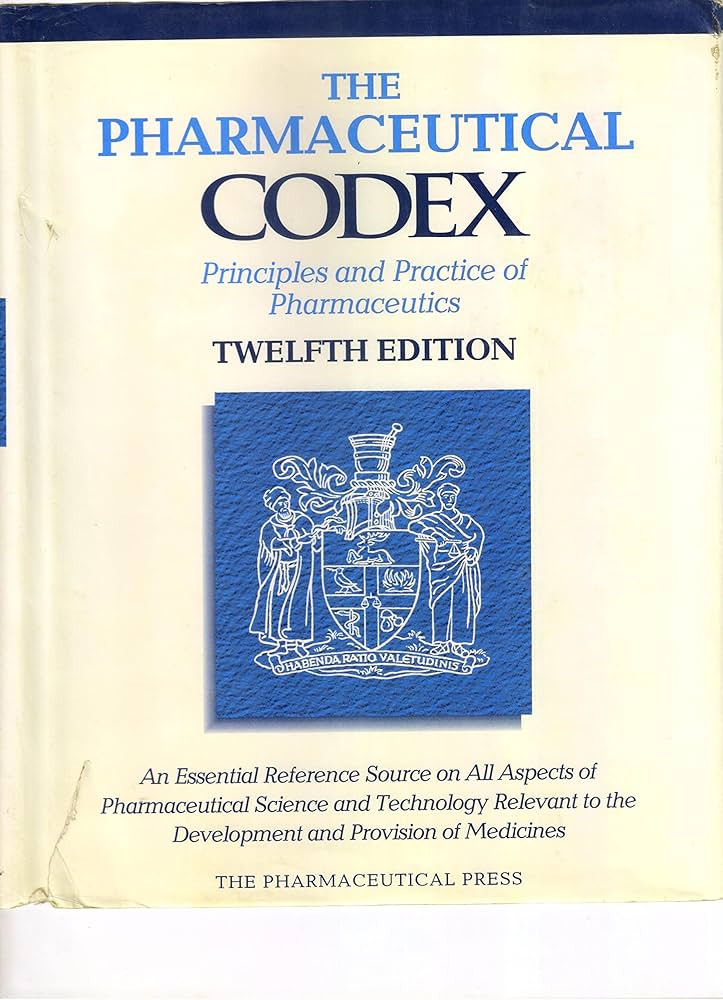
The British Pharmaceutical Codex was first published in 1907 by the Pharmaceutical Society of Great Britain. Subsequent editions were published in 1911, 1923, 1934, 1949, 1954, 1959, 1963, 1968, and finally 1973. The 1934 edition was described by the British Medical Journal as “one of the most useful reference books available to the medical profession”. Its development was driven by the need to provide more comprehensive information than what was available in the British Pharmacopoeia at that time.
During the early 20th century, the BP mainly focused on standards and lacked detailed therapeutic and practical information. Pharmacists needed a resource that could guide them in understanding drug uses, doses, and formulations. The BPC filled this gap effectively.
Over the years, multiple editions of the BPC were published, each incorporating new drugs, updated therapeutic uses, and advancements in pharmaceutical science.
Purpose and Objectives of BPC
The primary aim of the British Pharmaceutical Codex was to provide comprehensive and practical information about drugs and pharmaceutical preparations.
Its objectives included:
- Describing the therapeutic uses of drugs
- Providing information on dosage and administration
- Explaining pharmacological actions
- Offering guidance on formulations and preparations
Unlike pharmacopoeias, which are more technical and regulatory, the BPC was designed to be user-friendly and practice-oriented.
Nature and Scope of BPC
The scope of the British Pharmaceutical Codex was quite broad, covering both official and non-official drugs. This made it especially valuable, as it included substances that might not yet be listed in pharmacopoeias.
It typically contained:
- Drug descriptions and properties
- Therapeutic indications
- Dosage information
- Pharmaceutical preparations
- Practical notes for pharmacists
Because of this wide scope, the BPC served as a bridge between scientific standards and clinical practice.
Differences Between BPC and Pharmacopoeias
Although closely related, the BPC differs significantly from pharmacopoeias like BP.
Pharmacopoeias:
- Focus on legal standards
- Include tests, assays, and specifications
- Are legally enforceable
BPC:
- Focuses on practical and clinical information
- Includes drug uses, doses, and pharmacology
- Is not legally enforceable
This distinction is important because it highlights the complementary role of the BPC rather than a regulatory one.
Importance in Pharmacy Practice
The British Pharmaceutical Codex played a crucial role in supporting pharmacists in their daily work. It was particularly useful in:
- Community pharmacy, for understanding drug usage and patient guidance
- Hospital pharmacy, for therapeutic decision support
- Education, as a learning resource for students
At a time when digital resources were unavailable, the BPC served as a comprehensive handbook for pharmacists.
Decline and Modern Relevance
With the advancement of pharmaceutical science and the development of more specialized and comprehensive references, the use of the BPC gradually declined. Modern pharmacopoeias began to include more detailed information, and separate drug information systems and formularies were developed.
Today, resources such as:
- British National Formulary
- Clinical databases and digital drug references
have largely replaced the role once played by the BPC.
However, the historical importance of the BPC cannot be overlooked. It contributed significantly to the development of drug information systems and clinical pharmacy practice.
Relationship with Other Pharmacopoeias
The BPC worked alongside pharmacopoeias such as:
While these pharmacopoeias ensured drug quality and standardization, the BPC provided the practical context needed for real-world application.
Conclusion
The British Pharmaceutical Codex represents an important chapter in the history of pharmaceutical literature. It bridged the gap between strict scientific standards and practical pharmacy practice by providing detailed information on drug usage, dosage, and therapeutic effects.
Although it is no longer widely used today, its contribution to the evolution of pharmacy—especially in the areas of drug information and patient care—remains significant. For students and professionals, understanding the BPC helps in appreciating how modern pharmaceutical references have developed over time and how the profession has moved toward a more patient-centered approach.