
Introduction: Why the World Is Talking About Mounjaro
In recent years, the global healthcare community has witnessed an unprecedented rise in type 2 diabetes, obesity, and metabolic syndrome. According to international health organizations, these interconnected conditions now affect hundreds of millions of people worldwide, placing immense pressure on healthcare systems across North America, Europe, Asia, the Middle East, and developing economies.
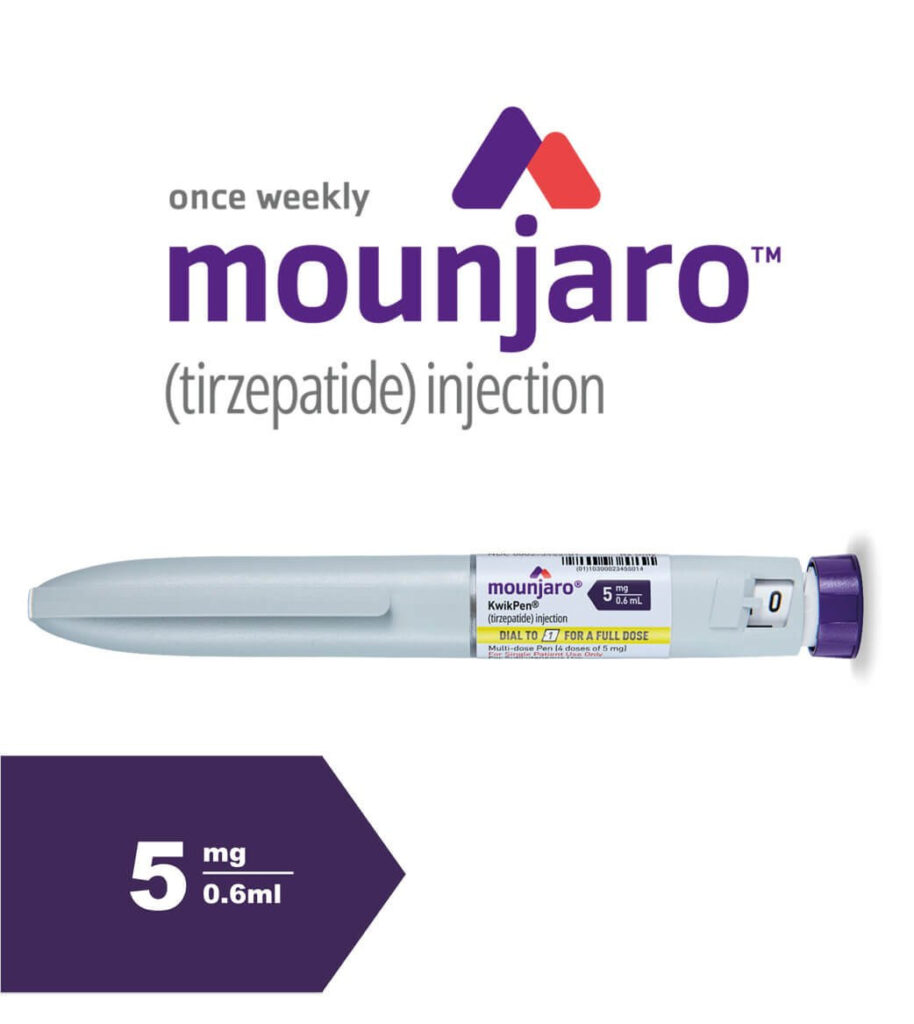
Amid this growing crisis, a new class of medicines has emerged—incretin-based metabolic therapies—and among them, Mounjaro (tirzepatide) has rapidly gained international attention. Initially developed for the treatment of type 2 diabetes, Mounjaro has become one of the most talked-about medications globally due to its dual-hormone mechanism, impressive clinical outcomes, and remarkable effects on body weight, insulin resistance, and metabolic control.

From endocrinology clinics in the United States to obesity management programs in Europe and diabetes care centers across Asia, Mounjaro is reshaping conversations around long-term metabolic disease management.
What Is Mounjaro? A Global Overview
Mounjaro is the brand name for tirzepatide, a once-weekly injectable prescription medication developed by Eli Lilly and Company, a multinational pharmaceutical corporation headquartered in the United States.
Key Facts About Mounjaro
- Generic name: Tirzepatide
- Drug class: Dual incretin receptor agonist
- Route of administration: Subcutaneous injection
- Dosing frequency: Once weekly
- Primary approval: Type 2 diabetes mellitus (adults)
Although Mounjaro is officially approved for diabetes management in several countries, its profound effect on weight reduction has driven widespread interest across global populations, including individuals without diabetes.
In many regions, tirzepatide is marketed or discussed under different regulatory frameworks, reflecting international variation in approval, availability, and clinical use.
Understanding the Science: How Mounjaro Works
The Role of Incretin Hormones in Human Metabolism
To understand why Mounjaro is considered revolutionary, it is essential to understand the role of incretin hormones in glucose and energy regulation.
After food intake, the gastrointestinal tract releases incretin hormones that:
- Stimulate insulin secretion
- Regulate appetite and satiety
- Influence fat storage and energy expenditure
The two most important incretins are:
- GLP-1 (Glucagon-Like Peptide-1)
- GIP (Glucose-Dependent Insulinotropic Polypeptide)
For many years, diabetes therapies focused almost exclusively on GLP-1. Mounjaro is the first widely available medication to activate both GLP-1 and GIP receptors simultaneously.
Dual Incretin Action: A New Therapeutic Concept
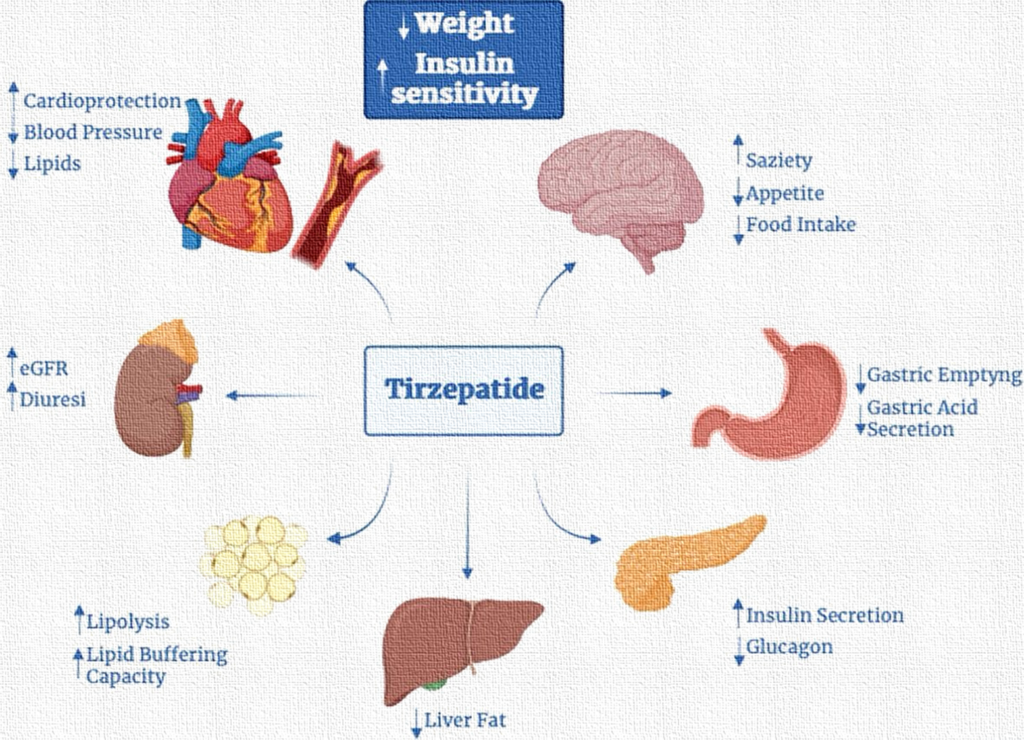
Mounjaro’s dual receptor agonism allows it to act on multiple metabolic pathways at once:
1. Enhanced Insulin Secretion
Mounjaro increases insulin release only when blood glucose levels are elevated, reducing the risk of dangerous hypoglycemia.
2. Suppression of Glucagon
By lowering glucagon secretion, Mounjaro reduces excessive glucose production by the liver—a major contributor to high fasting blood sugar.
3. Delayed Gastric Emptying
Food remains in the stomach longer, promoting prolonged fullness and reducing overeating.
4. Central Appetite Regulation
Mounjaro acts on appetite centers in the brain, decreasing hunger signals, food cravings, and emotional eating.
5. Improved Insulin Sensitivity
This is particularly beneficial for individuals with obesity, metabolic syndrome, or insulin resistance.
This multi-targeted approach explains why tirzepatide often produces greater metabolic improvements than older diabetes and weight-loss medications.
Clinical Benefits of Mounjaro
1. Management of Type 2 Diabetes
Mounjaro was primarily developed to address type 2 diabetes, a chronic condition affecting people across all continents.
Clinical trials consistently show that Mounjaro:
- Produces significant reductions in HbA1c
- Helps many patients achieve recommended glycemic targets
- Is effective as monotherapy or in combination with other antidiabetic agents
- Outperforms some traditional insulin regimens in glucose control
For patients who struggle with fluctuating blood sugar levels despite lifestyle changes and oral medications, Mounjaro offers a powerful, modern therapeutic option.
2. Weight Loss and Obesity Treatment
Although not initially designed as a weight-loss drug, Mounjaro’s effects on appetite and metabolism have made it a global phenomenon in obesity management.
Observed Benefits
- Average weight loss of 15–22% of baseline body weight
- Significant reduction in visceral (abdominal) fat
- Improved body composition and waist circumference
These effects have been reported across diverse populations, including individuals from Western countries, Asian populations with lower BMI thresholds, and Middle Eastern regions where metabolic diseases are highly prevalent.
3. Broader Metabolic and Cardiovascular Benefits
Beyond diabetes and obesity, Mounjaro has shown potential benefits in:
- Improving lipid profiles (cholesterol and triglycerides)
- Lowering blood pressure
- Reducing markers of systemic inflammation
- Improving liver enzymes in fatty liver disease
Large international cardiovascular outcome studies are ongoing to confirm whether these improvements translate into reduced heart attack and stroke risk.
Dosage and Administration: How Mounjaro Is Used
Mounjaro is administered via a pre-filled injection pen designed for self-use.
Typical Global Dosing Strategy
- Starting dose: 2.5 mg once weekly
- Titration: Gradual dose increase every 4 weeks
- Maximum dose: 15 mg once weekly
The gradual dose escalation helps minimize gastrointestinal side effects and allows the body to adapt to hormonal changes.
Side Effects and Safety Considerations
Common Side Effects
Most side effects are related to the gastrointestinal system and are most noticeable during the initial weeks:
- Nausea
- Vomiting
- Diarrhea
- Constipation
- Bloating
- Reduced appetite
These effects are generally temporary and improve as treatment continues.
Serious and Long-Term Safety Concerns
1. Thyroid C-Cell Tumor Warning
Animal studies showed an increased risk of thyroid tumors. While human risk remains unclear, Mounjaro is contraindicated in individuals with:
- Medullary thyroid carcinoma (MTC)
- Multiple endocrine neoplasia type 2 (MEN 2)
2. Pancreatitis
Rare cases of pancreatitis have been reported. Severe abdominal pain should prompt immediate medical evaluation.
3. Hypoglycemia
More likely when used alongside insulin or sulfonylureas.
4. Gallbladder Disease
Rapid weight loss may increase the risk of gallstones.
5. Kidney Complications
Dehydration from vomiting or diarrhea can worsen kidney function.
Who Should Avoid Mounjaro?
Mounjaro may not be suitable for:
- Individuals with type 1 diabetes
- Pregnant or breastfeeding women
- Patients with severe gastrointestinal disorders
- Individuals with a personal or family history of MTC or MEN 2
Medical screening and ongoing supervision are essential.
Mounjaro vs Other Global Metabolic Drugs
| Feature | Mounjaro (Tirzepatide) | GLP-1 Drugs (Semaglutide) |
| Hormonal targets | GLP-1 + GIP | GLP-1 only |
| Weight loss | Very high | High |
| Glycemic control | Superior | Strong |
| Appetite suppression | Profound | Moderate–strong |
| Global interest | Extremely high | High |
This comparison highlights why Mounjaro is often described as next-generation metabolic therapy.
Global Demand, Ethics, and Public Debate
Across countries, Mounjaro has sparked intense discussion:
- Supply shortages in several regions
- Off-label prescribing debates
- Equity concerns regarding access and affordability
- Misuse through unregulated online markets
Healthcare authorities emphasize that Mounjaro should be used for medical indications, not as a cosmetic shortcut.
Future Research and Expanding Indications
Researchers worldwide are investigating tirzepatide’s role in:
- Non-alcoholic fatty liver disease (NAFLD)
- Polycystic ovary syndrome (PCOS)
- Metabolic syndrome
- Cardiovascular disease prevention
- Long-term obesity maintenance
Mounjaro represents a shift toward hormone-based, precision metabolic medicine.
Conclusion: The Global Significance of Mounjaro
Mounjaro (tirzepatide) is more than just a diabetes drug—it symbolizes a new era in metabolic health management. By targeting multiple hormonal pathways, it addresses the root causes of diabetes and obesity rather than merely controlling symptoms.
As metabolic diseases continue to rise globally, Mounjaro may play a critical role in transforming how clinicians, policymakers, and patients approach long-term metabolic health.
When used responsibly under medical supervision, it has the potential to improve quality of life for millions worldwide.