Non-Renal Routes of Drug Excretion

While the kidneys are the primary organ for drug elimination, a significant number of drugs and their metabolites are eliminated through non-renal routes. Non-renal excretion pathways are especially important for drugs that are highly protein-bound, lipophilic, or poorly water-soluble, and for patients with renal impairment, where renal clearance is compromised. Non-renal excretion involves multiple organs … Read more
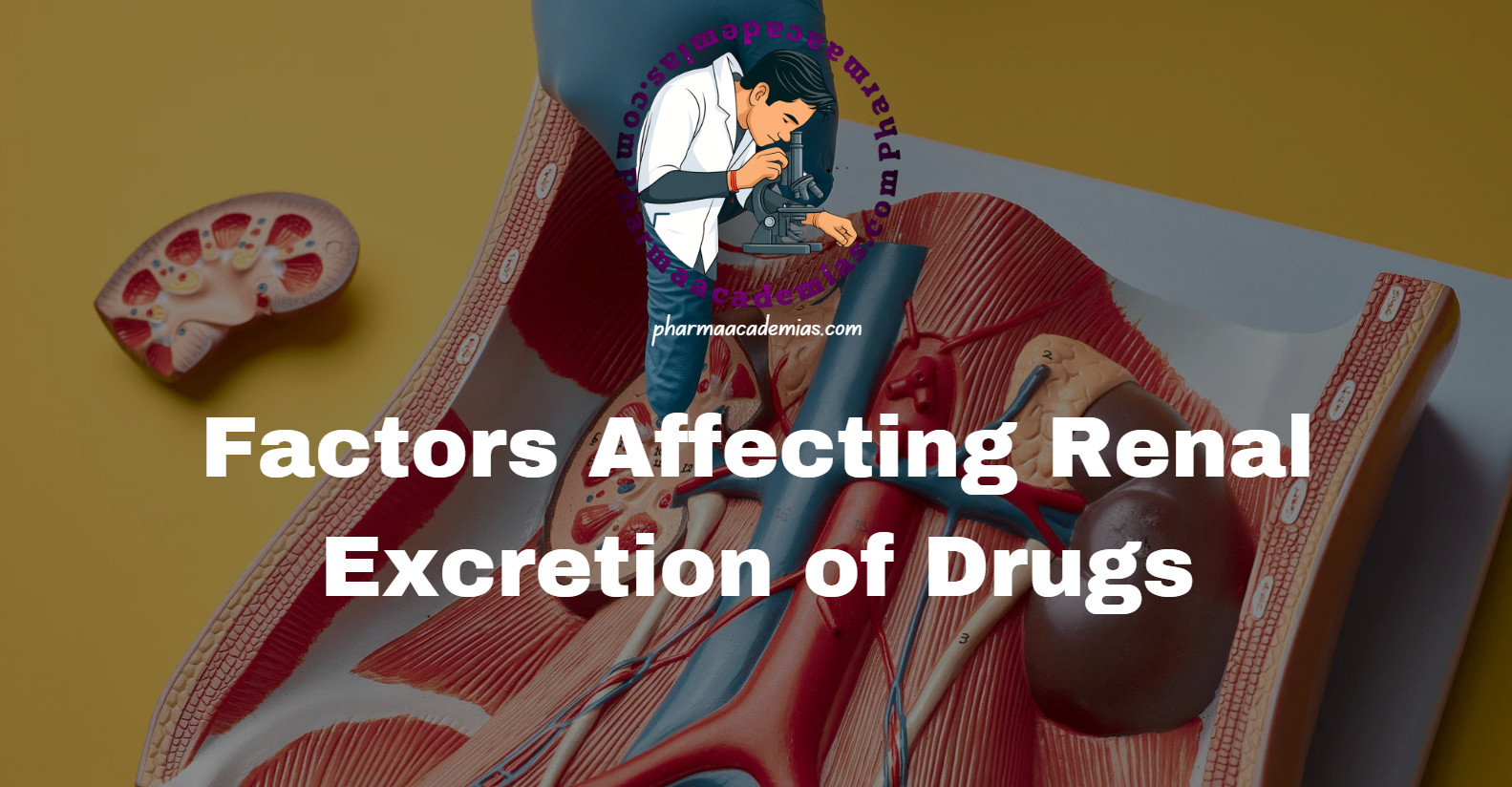
Factors Affecting Renal Excretion of Drugs

Factors Affecting Renal Excretion of Drugs Renal excretion represents one of the most crucial pathways through which the body eliminates drugs and their metabolites. The efficiency of this system is influenced by a variety of physiological, biochemical, and physicochemical factors. The kidneys employ three synchronized mechanisms—glomerular filtration, tubular secretion, and tubular reabsorption—to determine the rate … Read more

Elimination: Drug metabolism metabolic pathways renal excretion

Drug elimination is an essential physiological phenomenon that dictates not only how long a drug remains within the body but also profoundly influences its therapeutic efficiency, safety profile, dosage design, and overall clinical fate. The human body, being a highly evolved biochemical system, possesses intricate defense mechanisms to handle the continuous influx of xenobiotics, including … Read more

National List of Essential Medicines (NLEM)

The National List of Essential Medicines (NLEM) is a carefully curated list of medicines deemed essential for addressing the healthcare needs of the majority of the population. These medicines are intended to be available at all times, in adequate quantities, in appropriate dosage forms, and at affordable prices. The concept of essential medicines is rooted … Read more

DPCO 2013: Sale Price, Retail Price, and Ceiling Price

The pricing of pharmaceutical products in India is a multi-layered and highly regulated process, designed to balance the interests of the end consumer, pharmaceutical manufacturers, distributors, and the government. The Drugs Price Control Order (DPCO) 2013, issued by the National Pharmaceutical Pricing Authority (NPPA) under the Essential Commodities Act, 1955, provides a comprehensive framework for … Read more

Drugs Price Control Order (DPCO) – 2013

The Drugs Price Control Order (DPCO) is one of the most significant regulatory instruments in India, functioning as a cornerstone in the nation’s endeavor to make medicines affordable and accessible to the general public. It is an order issued under the Essential Commodities Act, 1955, and its primary objective is to regulate the prices of … Read more

Citral: Isolation, Identification, and Analysis of Phytoconstituents

Introduction The study of phytoconstituents, particularly terpenoids like citral, holds immense importance in the field of phytochemistry and natural product pharmacology. Citral is a lemon-scented aldehyde widely distributed in the essential oils of several medicinal and aromatic plants. It is primarily known for its flavoring, fragrance, and therapeutic applications in the food, cosmetic, and pharmaceutical … Read more

Immunoglobulins (Antibodies) and Their Structure

Introduction to Immunoglobulins Immunoglobulins (Ig), commonly known as antibodies, are glycoprotein molecules produced by B-lymphocytes (B-cells) and plasma cells in response to the presence of antigens. They are essential components of the adaptive immune system, functioning as the humoral arm of immunity. Immunoglobulins are crucial for recognition, neutralization, and elimination of pathogens including bacteria, viruses, … Read more

Immunity: Humoral and Cellular Immunity

Introduction to Immunity The term immunity is derived from the Latin word immunitas, meaning “freedom from” or “exemption.” In biological terms, immunity refers to the ability of a living organism to resist or eliminate invading infectious agents, foreign particles, and harmful substances. It is a complex, highly organized defense system involving a network of specialized … Read more

Polymerase Chain Reaction (PCR)

1. Introduction The Polymerase Chain Reaction (PCR) is a groundbreaking molecular biology technique that enables the selective amplification of a specific DNA sequence from a tiny amount of starting genetic material. This technique was developed by Kary Mullis in 1983, for which he was awarded the Nobel Prize in Chemistry in 1993. PCR has revolutionized … Read more