
Source of Herbs: Herbs, as essential raw materials in pharmaceutical sciences, are obtained from diverse natural and controlled sources. The selection of an appropriate source is a critical factor that influences the quality, safety, efficacy, and consistency of herbal drugs. With increasing global demand for herbal medicines, the sourcing of herbs has evolved from simple wild collection to advanced cultivation and biotechnological production systems.
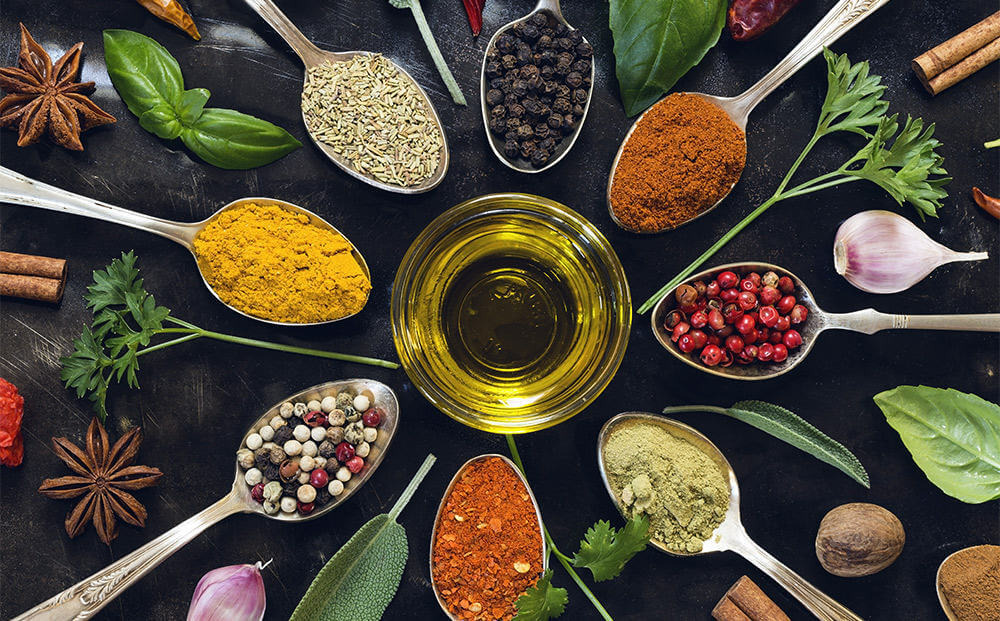
Source of Herbs
The sources of herbs can be classified based on origin, level of human intervention, and technological involvement.
1. Natural (Wild) Sources
Natural or wild sources include herbs that grow spontaneously in their natural habitats without human intervention.
Detailed Explanation:
These plants are found in forests, hills, deserts, and other ecosystems, where they adapt to environmental stress conditions. Such stress often leads to enhanced production of secondary metabolites, which are responsible for therapeutic activity.
Sub-classification:
- Forest sources
- Mountain and alpine sources
- Desert and semi-arid sources
- Grassland vegetation
Phytochemical Significance:
Wild plants often show:
- Higher concentration of active constituents
- Greater chemical diversity
- Presence of rare bioactive compounds
Challenges in Wild Collection:
- Overexploitation leading to extinction
- Misidentification due to similar morphology
- Lack of traceability
- Seasonal availability
Good Collection Practices (GCP):
- Collection at appropriate maturity stage
- Avoidance of endangered species
- Sustainable harvesting (partial collection, rotational harvesting)
- Proper cleaning and drying
2. Cultivated Sources
Cultivation involves growing medicinal plants under controlled agricultural conditions to ensure quality and yield.
Advanced Explanation:
Cultivation allows manipulation of environmental factors to optimize the production of desired phytoconstituents. It also ensures genetic uniformity and reproducibility of herbal raw materials.
Types of Cultivation:
- Traditional cultivation – based on conventional farming practices
- Organic cultivation – without synthetic fertilizers or pesticides
- Contract farming – agreements between farmers and pharmaceutical companies
- Controlled environment agriculture – greenhouse cultivation
Agronomic Factors Affecting Quality:
- Soil composition (pH, nutrients)
- Irrigation and water quality
- Light intensity and photoperiod
- Use of fertilizers and growth regulators
Good Agricultural and Collection Practices (GACP):
- Proper seed selection
- Controlled use of agrochemicals
- Hygienic harvesting methods
- Traceability and documentation
3. Plantation Sources
Plantation sources involve large-scale cultivation of medicinal plants for industrial and commercial purposes.
Expanded Explanation:
Plantations are usually established for plants that have high commercial demand and require specific climatic conditions. These systems often employ mechanized farming techniques and standardized cultivation protocols.
Scientific Importance:
- Ensures uniformity in active constituents
- Facilitates large-scale extraction and processing
- Supports pharmaceutical industries
Economic Importance:
- Generates employment
- Supports export of herbal products
- Contributes to the herbal drug market
Environmental Considerations:
- Risk of biodiversity loss due to monoculture
- Soil nutrient depletion
- Need for sustainable plantation management
4. Marine Sources
Marine sources include medicinal plants and organisms obtained from aquatic environments, particularly oceans.
Expanded Explanation:
Marine flora such as algae, seaweeds, and marine microorganisms are rich in unique bioactive compounds like:
- Sulfated polysaccharides
- Marine alkaloids
- Terpenoids
These compounds show activities such as:
- Anticancer
- Antiviral
- Anti-inflammatory
Types of Marine Herbal Sources:
- Brown algae
- Red algae
- Green algae
Challenges:
- Complex extraction processes
- Environmental sensitivity of marine ecosystems
- Limited large-scale cultivation
5. Tissue Culture Sources (Biotechnological Source)
Tissue culture is an advanced technique for producing medicinal plants under sterile, controlled laboratory conditions.
Expanded Explanation:
This method involves growing plant cells, tissues, or organs in artificial nutrient media. It is particularly useful for:
- Rare and endangered plants
- Plants with low seed viability
- Rapid multiplication
Types of Tissue Culture Techniques:
- Micropropagation
- Callus culture
- Cell suspension culture
- Organ culture
Industrial Applications:
- Production of secondary metabolites (e.g., alkaloids, flavonoids)
- Genetic modification for improved yield
- Conservation of germplasm
Advantages:
- Disease-free plants
- Uniform quality
- Rapid production
Limitations:
- High cost
- Technical expertise required
- Somaclonal variation
6. Commercial and Industrial Sources
Commercial sources involve procurement of herbal raw materials through traders, suppliers, and pharmaceutical companies.
Expanded Explanation:
These sources form the backbone of the herbal drug supply chain. Raw materials may be:
- Collected from wild sources
- Obtained from cultivation
- Processed into semi-finished products
Supply Chain Components:
- Collectors
- Middlemen/traders
- Wholesalers
- Manufacturers
Quality Concerns:
- Adulteration and substitution
- Contamination (microbial, heavy metals, pesticides)
- Improper storage conditions
Quality Assurance Measures:
- Pharmacognostic evaluation
- Chromatographic analysis
- DNA barcoding for authentication
7. Sustainable and Ethical Sources
With increasing demand, sustainability has become a critical aspect of herbal sourcing.
Expanded Explanation:
Sustainable sourcing ensures that medicinal plants are harvested in a way that:
- Maintains ecological balance
- Prevents species extinction
- Supports local communities
Practices:
- Cultivation of endangered species
- Use of renewable plant parts (leaves instead of roots)
- Community-based harvesting
- Certification systems (e.g., organic, fair trade)
8. Modern Approaches in Herbal Sourcing
Advancements in science have introduced new methods for sourcing herbal materials.
Key Approaches:
- Biotechnological production: Production of phytochemicals using plant cell cultures
- Synthetic biology: Production of plant compounds using microorganisms
- Hydroponics and aeroponics: Soil-less cultivation techniques
- Precision agriculture: Use of sensors and AI for optimized cultivation
Factors Influencing Source Selection
The choice of herbal source depends on multiple scientific and practical factors:
- Availability and accessibility
- Quality and concentration of active constituents
- Cost-effectiveness
- Environmental impact
- Regulatory compliance
- Scalability for industrial production
Conclusion
The source of herbs is a fundamental determinant of the quality and therapeutic efficacy of herbal medicines. While traditional wild sources offer rich phytochemical diversity, modern cultivation, plantation, and biotechnological methods provide consistency, scalability, and sustainability. A comprehensive understanding of these sources enables the development of standardized, safe, and effective herbal products, aligning traditional knowledge with modern pharmaceutical requirements.