Midbrain (Mesencephalon): Anatomy and Physiology

Screenshot 2025 11 13 122132 Midbrain (Mesencephalon): Anatomy and Physiology

The midbrain, also known as the mesencephalon, is the uppermost part of the brainstem, positioned between the pons below and the diencephalon (thalamus and hypothalamus) above. Despite being one of the smaller regions of the brainstem, it is a vital conduit and integration center for sensory and motor pathways. The midbrain plays an essential role … Read more

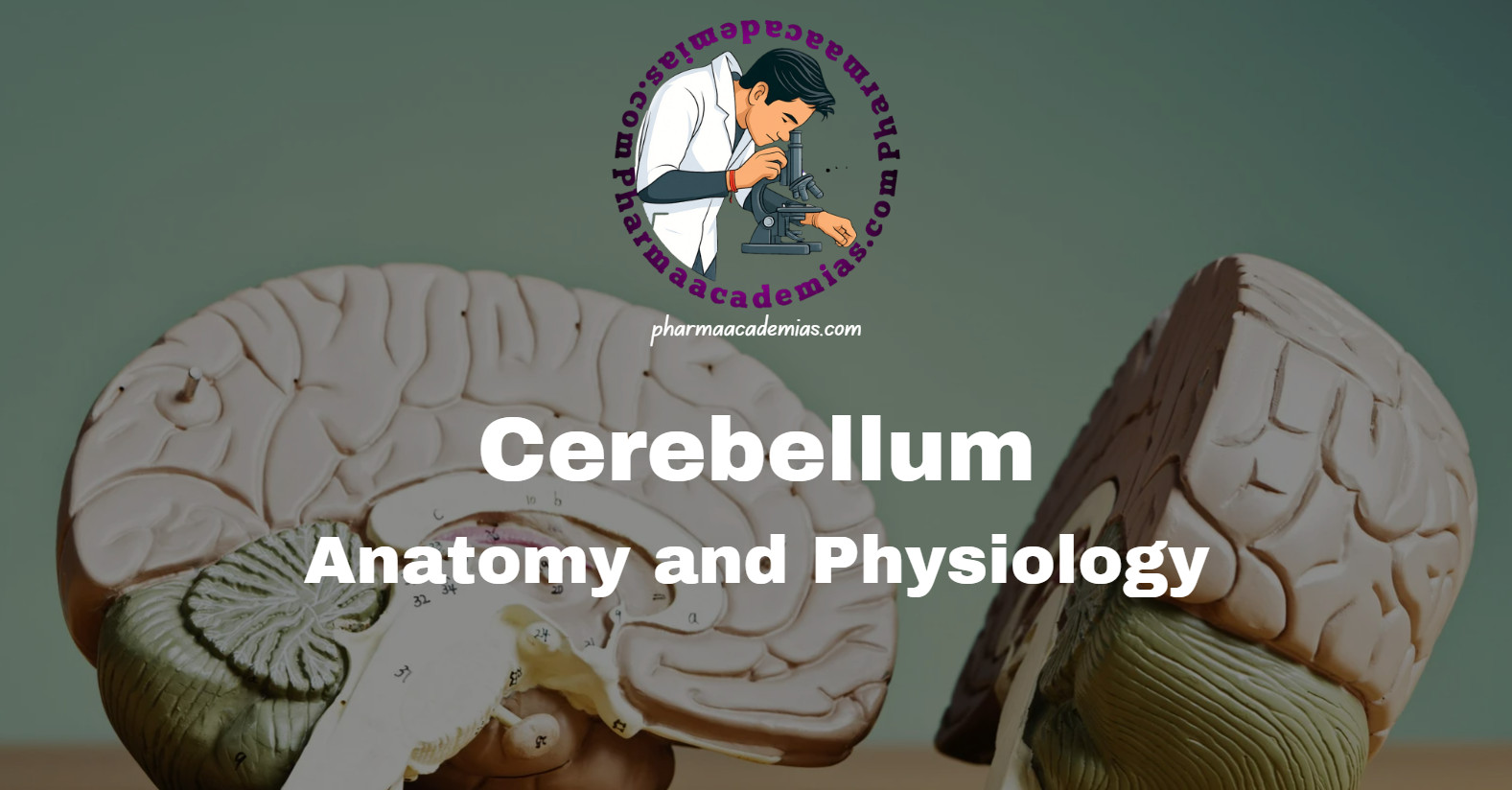
Cerebellum: Anatomy and Physiology

Screenshot 2025 11 13 115117 Cerebellum: Anatomy and Physiology

The cerebellum, often referred to as the “little brain,” is a crucial component of the central nervous system (CNS) situated posteriorly in the cranial cavity, beneath the occipital lobes of the cerebrum and behind the brainstem. Although it constitutes only about 10% of the brain’s total volume, it contains more than 50% of all neurons, … Read more

Cerebrum: Anatomy, Physiology, and Functional Areas

Screenshot 2025 11 13 113215 Cerebrum: Anatomy, Physiology, and Functional Areas

The cerebrum represents the largest and most highly developed part of the human brain. It is the seat of higher cognitive functions, voluntary motor control, sensory perception, language, reasoning, memory, and emotion. Anatomically, it forms the superior portion of the brain and accounts for nearly 80% of its total weight. Functionally, the cerebrum integrates complex … Read more

Autonomic Nervous System: Organization and function

Screenshot 2024 03 30 110635 Autonomic Nervous System: Organization and function

Autonomic Nervous System The Autonomic Nervous System (ANS) is a special part of the nervous system that controls the involuntary activities of the body. Involuntary means that these functions happen automatically, without our conscious effort. Examples include heartbeat, digestion, breathing, sweating, urination, and pupil size changes. The ANS plays an essential role in maintaining a … Read more

Cranial Nerves: Anatomy, Functions, and Clinical Significance

Screenshot 2023 12 01 095807 Cranial Nerves: Anatomy, Functions, and Clinical Significance

The human nervous system includes 12 pairs of cranial nerves, each emerging directly from the brain rather than the spinal cord. These nerves play critical roles in sensory perception, motor control, and autonomic regulation in the head, neck, and thoracic-abdominal regions. Understanding the anatomy and function of each cranial nerve is crucial for neurological assessment, … Read more

Spinal cord: Anatomy and Functions

Screenshot 2023 11 10 143842 Spinal cord: Anatomy and Functions

The spinal cord is a highly organized and essential structure of the central nervous system (CNS) that extends from the brainstem down through the vertebral column. It serves as the primary communication highway between the brain and the peripheral body, transmitting sensory information from the body to the brain and conveying motor commands from the … Read more

Nervous system: Definition, Classification and Functions

Screenshot 2023 11 10 111120 Nervous system: Definition, Classification and Functions

Nervous System The nervous system is a highly intricate and dynamic network that governs every aspect of bodily function, coordination, and response. At the very foundation of this complex system lies the neuron, a highly specialized and excitable cell that serves as the fundamental structural and functional unit of neural communication. Neurons facilitate the transmission … Read more

Nervous system: Structure and Functions

Screenshot 2025 02 26 154341 Nervous system: Structure and Functions

Definition of the Nervous System The nervous system is a highly specialized and intricate network of cells that regulates and coordinates various physiological processes in the body. It is responsible for receiving external and internal stimuli, processing the information, and generating appropriate responses. The nervous system ensures proper communication between different organs, enabling an organism … Read more