Poverty and health are intricately bound in a complex, cyclical relationship that has challenged societies for centuries. Poverty is not merely the absence of money—it is a multidimensional deprivation that encompasses lack of access to basic needs such as adequate nutrition, clean water, housing, sanitation, education, and healthcare. Health, similarly, is not just the absence of disease but a state of complete physical, mental, and social well-being, as defined by the World Health Organization.
Poverty and Health
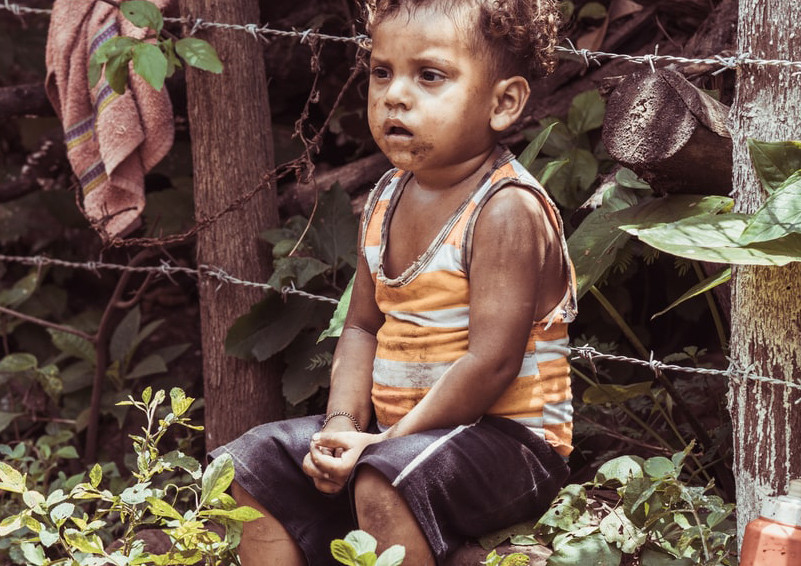
Wherever poverty exists, ill health follows. Conversely, poor health can be a powerful force that perpetuates poverty. This bidirectional linkage reveals that economic and social disadvantage often translates directly into physiological vulnerability, reduced life expectancy, and limited access to curative and preventive care.
1. Poverty as a Determinant of Health
Poverty affects health through a multitude of social, environmental, and biological pathways:
- Individuals and families living in poverty are more likely to reside in overcrowded, unsanitary dwellings, exposing them to infectious diseases such as tuberculosis, cholera, dengue, and typhoid.
- They often lack access to clean drinking water and basic sanitation, which increases their vulnerability to diarrheal diseases, helminthic infections, and skin conditions.
- Nutritional deficiencies are rampant among the poor due to inadequate intake of balanced, nutrient-rich food, resulting in conditions like anemia, stunted growth, rickets, and weakened immunity.
Thus, poverty creates an ecosystem of disease, wherein illness is not an isolated event but a daily reality woven into the fabric of deprived existence.
2. Economic Barriers to Healthcare Access
For individuals in poverty, healthcare is often a luxury they cannot afford:
- Out-of-pocket expenses on doctor visits, diagnostics, and medications can consume a substantial portion of a poor household’s income.
- Many lack health insurance or formal identification required for availing subsidized healthcare in government hospitals.
- Transportation costs and loss of wages due to time spent seeking treatment further discourage timely medical attention.
As a result, many illnesses are either ignored until they become severe or treated through unregulated quacks or home remedies, leading to complications, chronic conditions, and preventable deaths.
3. Malnutrition: A Manifestation of Poverty
Malnutrition is both a cause and consequence of poverty. It reduces the body’s ability to resist infections and recover from illness, while poor health in turn diminishes the capacity to work or learn, trapping individuals in the vicious cycle of poverty.
- Children from impoverished families often suffer from protein-energy malnutrition (PEM), stunting, wasting, and micronutrient deficiencies.
- Pregnant women in poverty are more likely to experience anemia, preterm labor, low birth weight deliveries, and maternal mortality.
- Adults suffer from poor muscle mass, fatigue, reduced productivity, and chronic fatigue, all of which hinder economic upliftment.
In essence, food insecurity becomes a profound health crisis that weakens both the individual and the nation’s human capital.
4. Mental Health and Psychological Impact of Poverty
The mental health toll of poverty is often underestimated, yet it is one of the most pervasive consequences:
- Living under constant economic insecurity, unemployment, or indebtedness creates chronic stress and anxiety.
- Feelings of powerlessness, social exclusion, and low self-esteem foster depression and other psychological disorders.
- Poor mental health may lead to substance abuse, domestic violence, or suicidal tendencies, further deteriorating family and community well-being.
The inability to afford psychological care means that mental health disorders often go undiagnosed and untreated, silently eroding the emotional fabric of poor communities.
5. Disease of Poverty vs. Disease of Affluence
In public health discourse, some diseases are referred to as “diseases of poverty” because they predominantly affect the poor:
- Tuberculosis, malaria, leprosy, parasitic infections, and diarrheal diseases thrive in impoverished environments.
- These illnesses are often preventable, yet they persist due to lack of access to vaccinations, timely diagnosis, and essential medications.
In contrast, “diseases of affluence” like obesity, diabetes, and cardiovascular disease are rising among the urban poor due to shifts in diet and lifestyle—highlighting that poverty is not protective against non-communicable diseases.
6. Intergenerational Impact: Poverty and Health Across Lifespan
The consequences of poverty on health are intergenerational:
- Children born in poverty face low birth weight, undernutrition, and poor cognitive development, which affects their academic performance and future earning potential.
- Adolescents often drop out of school to support their families, entering low-paying, hazardous jobs that damage their physical and emotional well-being.
- Elderly individuals in poverty may suffer from neglected chronic diseases, disabilities, and social isolation, without access to geriatric care.
Thus, poverty shortens not only lifespan but also healthspan, creating a life filled with suffering and unmet potential.
7. Societal Consequences of Poverty-Driven Ill Health
The impact of poverty on health extends beyond the individual—it weakens the social and economic strength of entire nations:
- High disease burden reduces national productivity and increases dependency ratios.
- Healthcare systems become overburdened with preventable diseases, diverting resources from development-oriented programs.
- Poor health reinforces educational backwardness, unemployment, and social unrest, feeding a cycle of inequality and stagnation.
A society where a significant portion of the population is ill due to poverty is one that cannot achieve sustainable development, regardless of its technological or industrial advancements.
8. Breaking the Cycle: Poverty Alleviation through Health Intervention
Breaking the cycle of poverty and ill health requires holistic, multi-sectoral interventions:
- Strengthening primary healthcare systems in rural and urban poor areas, ensuring free or subsidized treatment.
- Expanding nutrition support programs, like the Mid-Day Meal Scheme, Integrated Child Development Services (ICDS), and maternal health initiatives.
- Promoting universal health coverage and health insurance schemes such as Ayushman Bharat for vulnerable groups.
- Ensuring access to clean water, hygiene education, immunization, and reproductive health services.
- Empowering communities through health literacy, education, skill development, and participatory governance.
By investing in health, we not only alleviate suffering but also build human capital, foster economic growth, and promote social justice.
Conclusion
Poverty and health are not merely connected—they are inseparable forces that shape the destinies of individuals, families, and nations. Poor health both arises from and contributes to poverty, creating a relentless cycle that reinforces inequality and marginalization.
To uplift the health of a nation, it is imperative to combat poverty at its roots, recognizing that social equity is the foundation of public health. In the words of Dr. Rudolf Virchow, the father of social medicine: “Medicine is a social science, and politics is nothing else but medicine on a large scale.”