
Microspheres: Definition, Advantages, and Disadvantages
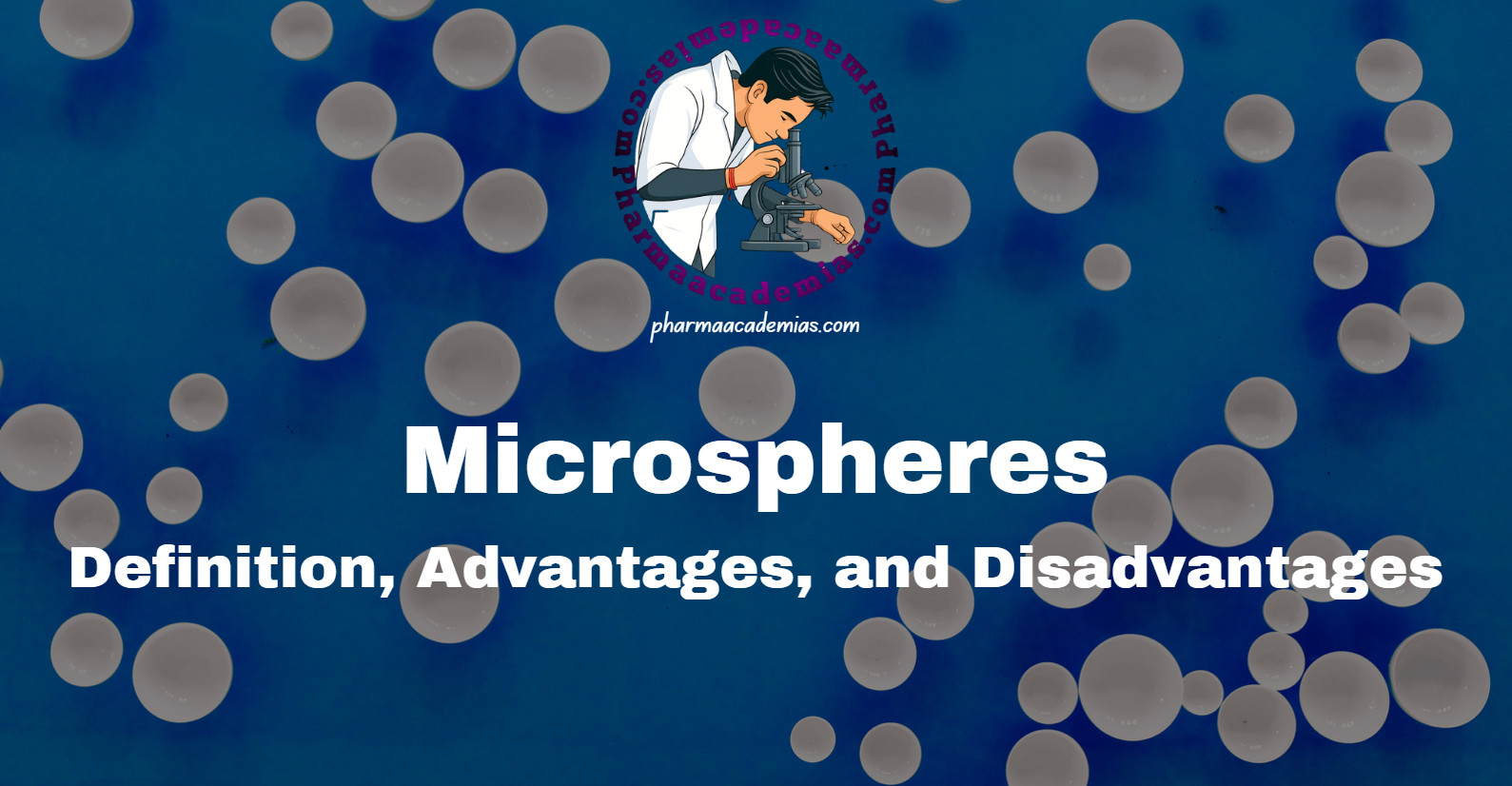
Definition of Microspheres Microspheres are small, spherical particles typically ranging from 1 to 1000 microns in size. They are commonly used in drug delivery systems, diagnostics, and other pharmaceutical and biomedical applications. Microspheres are made from various materials, including polymers, lipids, and ceramics. These particles can encapsulate active ingredients such as drugs, enzymes, or other … Read more

Vinca Alkaloids: General Introduction, Composition, Chemistry, Bio-Sources, Therapeutic Uses, and Commercial Applications

Definition of Alkaloids Alkaloids are a diverse group of naturally occurring organic compounds that primarily contain basic nitrogen atoms. They are typically derived from plant and animal sources and have significant pharmacological effects on humans and other animals. Alkaloids are known for their wide range of biological activities and are often used in medicine, agriculture, … Read more

Antimicrobials

Antimicrobials refer to substances or agents that can inhibit the growth or destroy microorganisms, including bacteria, viruses, fungi, and parasites. These agents are crucial in preventing, controlling, and treating infectious diseases in humans, animals, and plants. Different classes of antimicrobial agents are designed to target specific types of microorganisms or interfere with their growth and … Read more

Therapeutic activity and pharmaceutical applications of alkaloids

Alkaloids, a diverse group of naturally occurring organic compounds, exhibit various therapeutic activities. Many alkaloids have been harnessed for their pharmacological effects and find applications in various pharmaceutical formulations. Here’s a detailed note on the therapeutic activity and pharmaceutical applications of alkaloids: 1. Analgesic and Antinociceptive Activity    – Examples: Morphine, Codeine, Papaverine.    – … Read more