
Microspheres: Definition, Advantages, and Disadvantages
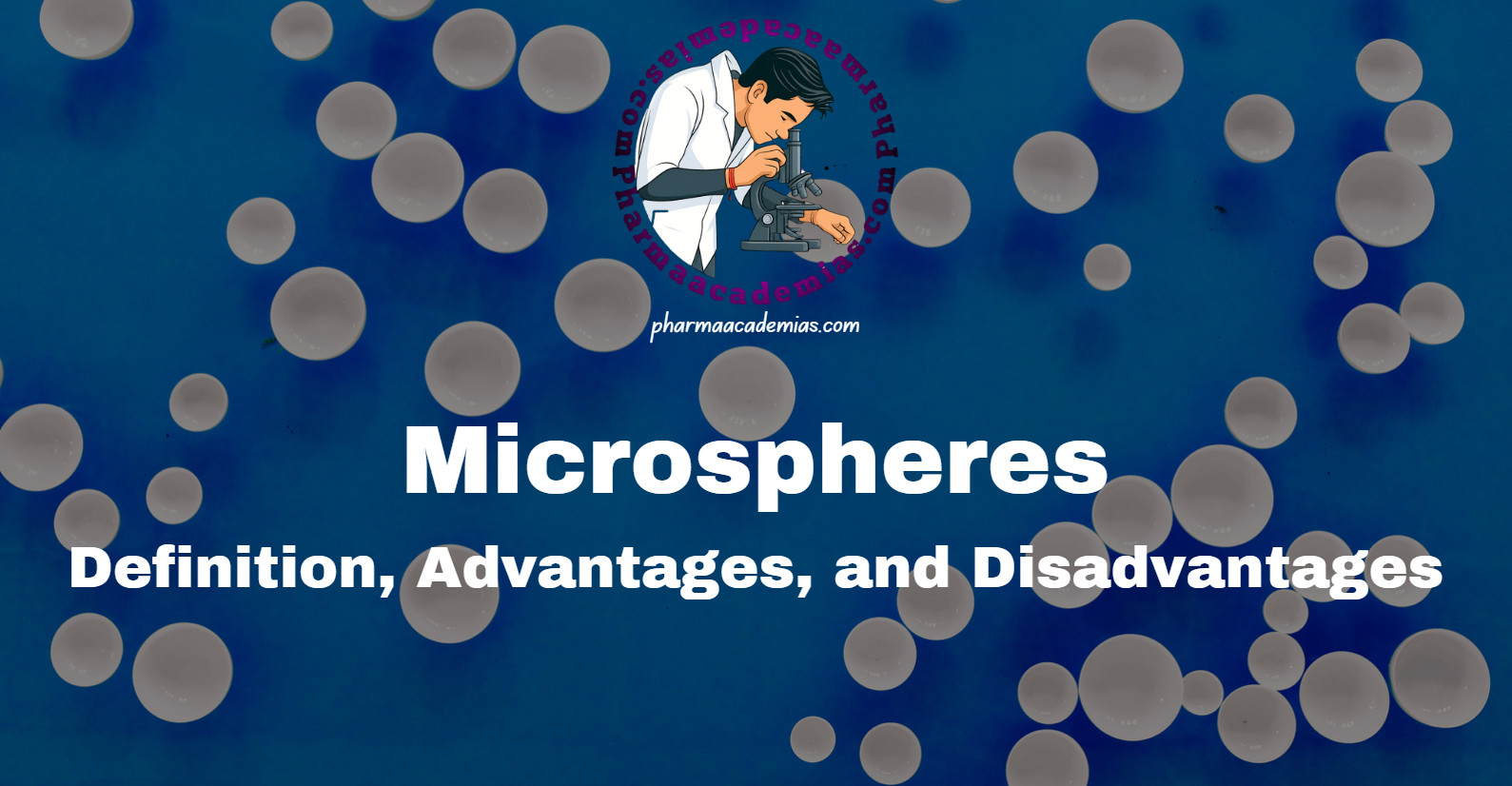
Definition of Microspheres Microspheres are small, spherical particles typically ranging from 1 to 1000 microns in size. They are commonly used in drug delivery systems, diagnostics, and other pharmaceutical and biomedical applications. Microspheres are made from various materials, including polymers, lipids, and ceramics. These particles can encapsulate active ingredients such as drugs, enzymes, or other … Read more

Genetically determined toxicity

Genetically Determined Toxicity refers to an individual’s genetic makeup, which can influence their susceptibility to drug-induced toxicity. Genetic variations can affect how a person metabolizes, responds to, and clears drugs, resulting in differences in toxicity levels. Certain individuals may have genetic mutations or polymorphisms in specific genes that make them more susceptible to adverse drug … Read more

Anti-neoplastic Drugs: Classification, Dose, Indications, and Contraindications

Definition: Anti-neoplastic agents, also known as anti-cancer or chemotherapy drugs, are medications used to treat various types of cancer. These drugs work by targeting and destroying cancer cells or inhibiting their growth and proliferation, thereby slowing down or stopping the progression of cancerous tumors. Classification of Anti neoplastic Drugs Anti-neoplastic agents can be classified into … Read more