

Food in Relation to Nutrition and Health
Food in Relation to Nutrition and Health: Food, beyond being a source of sustenance, is an indispensable foundation for life itself—a biochemical instrument that directly governs human health, growth, development, productivity, and longevity. The quality, quantity, and diversity of food we consume are deeply interwoven with our physical, mental, emotional, and even spiritual well-being. In the realm of health sciences and nutritional biochemistry, the importance of food transcends mere caloric intake and enters the complex domain of nutrient composition, physiological function, metabolic balance, and disease prevention.
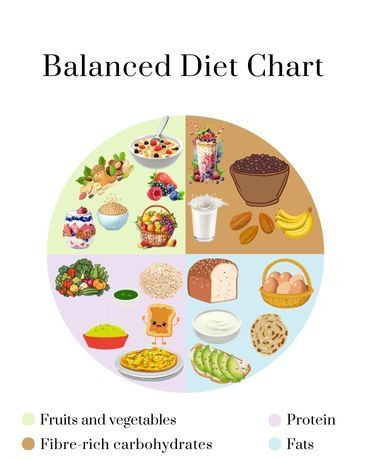
This discussion will explore in depth the interrelationship between food, nutrition, and health, and elucidate the foundational concept of a balanced diet, a cornerstone of optimal health and well-being.
I. Food, Nutrition, and Health: An Interconnected Triad
1. Definition and Significance of Food
Food refers to any substance—of plant or animal origin—consumed to provide the body with energy (calories), essential nutrients, water, and other bioactive compounds required to sustain life and perform physiological functions. Food is not merely a vehicle for satisfaction of hunger; it is a biological signaler, a metabolic modulator, and a determinant of health outcomes.
The fundamental physiological roles of food include:
- Fueling energy metabolism through carbohydrates and fats,
- Building and repairing body tissues via proteins and amino acids,
- Regulating enzymatic and hormonal activities through vitamins and minerals,
- Hydrating cells and tissues through water content,
- Modulating immunity and inflammation via phytochemicals and micronutrients.
Check this topic: Click here
2. Nutrition: The Science of Food and Its Biological Effects
Nutrition is the scientific discipline that examines the interaction between dietary components and the human body. It encompasses the processes of ingestion, digestion, absorption, metabolism, and excretion of nutrients, and how these processes influence growth, development, immunity, reproduction, performance, and disease resistance.
Nutrients derived from food are broadly classified as:
a. Macronutrients – Required in large amounts:
- Carbohydrates: Primary energy source (4 kcal/g)
- Proteins: Tissue building and repair (4 kcal/g)
- Fats (Lipids): Energy storage, hormone synthesis (9 kcal/g)
- Water: Solvent, thermoregulation, transport medium
b. Micronutrients – Required in trace amounts:
- Vitamins: Organic cofactors for enzymatic reactions (e.g., Vitamin C, D, B12)
- Minerals: Inorganic ions for structural and functional roles (e.g., iron, calcium, zinc)
Malnutrition—whether due to deficiency (undernutrition) or excess (overnutrition)—is a direct consequence of nutritional imbalance, and is a leading global cause of mortality and morbidity.
3. Food and Its Impact on Health
The relationship between food and health is not linear but profoundly multifactorial and dynamic. Nutrient-rich diets promote cellular homeostasis, enhance immunity, reduce oxidative stress, and maintain hormonal equilibrium. Conversely, poor dietary patterns are strongly linked to the pathogenesis of numerous diseases, such as:
- Protein-energy malnutrition (PEM): e.g., Kwashiorkor and Marasmus in children
- Micronutrient deficiencies: e.g., Iron-deficiency anemia, goiter (iodine), rickets (vitamin D), night blindness (vitamin A)
- Lifestyle diseases (non-communicable diseases): e.g., Type 2 diabetes, obesity, cardiovascular diseases, metabolic syndrome, certain cancers
- Mental health disorders: Deficiency of omega-3 fatty acids, B-vitamins, and zinc has been correlated with depression and cognitive decline.
Insight: “Let food be thy medicine and medicine be thy food.” — Hippocrates
This classical aphorism emphasizes that the right kind of food is not just preventive but also therapeutic in nature.
II. Balanced Diet: The Blueprint of Healthy Living
1. Definition of a Balanced Diet
A balanced diet is defined as a diet that provides all essential nutrients—in the right proportions and quantities—necessary for maintaining health, vitality, and physiological equilibrium. It ensures that an individual receives adequate energy, sufficient macro- and micronutrients, and necessary fiber and water, without excess or deficiency.
In essence, a balanced diet is nutritionally adequate, diverse, palatable, and sustainable.
2. Characteristics of a Balanced Diet
A scientifically sound balanced diet has the following core features:
a. Variety: Inclusion of a wide array of foods from different food groups ensures diverse nutrient intake and prevents monotony.
b. Proportionality: Maintaining appropriate ratios of carbohydrates, proteins, fats, vitamins, and minerals tailored to age, sex, activity level, and physiological conditions (e.g., pregnancy, illness).
c. Moderation: Avoidance of excessive intake of sugar, salt, saturated fats, and ultra-processed foods to prevent lifestyle diseases.
d. Adequacy: Meeting the recommended dietary allowances (RDAs) for all essential nutrients as per national or WHO guidelines.
3. Components of a Balanced Diet (Per Indian Council of Medical Research – ICMR / WHO)
A typical balanced plate includes the following food groups:
| Food Group | Functions | Examples |
| Cereals & Millets | Energy (carbohydrates) | Rice, wheat, jowar, bajra |
| Pulses & Legumes | Proteins, fiber | Lentils, beans, chickpeas |
| Milk & Dairy | Calcium, Vitamin D, protein | Milk, curd, paneer |
| Fruits & Vegetables | Vitamins, minerals, antioxidants, fiber | Spinach, carrot, banana, orange |
| Fats & Oils | Essential fatty acids, energy | Mustard oil, ghee, groundnut oil |
| Animal foods (if non-vegetarian) | High-quality protein, B12, iron | Eggs, meat, fish |
Note: Clean drinking water is also an essential part of a balanced diet for maintaining hydration and aiding metabolic reactions.
4. Balanced Diet According to Life Stage and Condition
A balanced diet is not one-size-fits-all; it must be customized to suit the physiological and lifestyle needs of various populations:
- Infants & Children: High-protein, calcium-rich diet to support growth.
- Adolescents: Increased requirement for iron, protein, and calories due to puberty.
- Pregnant/Lactating Women: Enhanced needs for folic acid, iron, calcium, and calories.
- Elderly: Low-fat, fiber-rich diet to support digestion and prevent chronic illnesses.
- Athletes: Carbohydrate-loaded and protein-sufficient for muscle energy and repair.
5. Malnutrition: Consequence of an Imbalanced Diet
Malnutrition manifests in various forms, each with serious health consequences:
- Under-nutrition: Wasting, stunting, underweight, micronutrient deficiencies.
- Over-nutrition: Obesity, diabetes, cardiovascular complications.
- Hidden hunger: Sufficient calories but deficient in key micronutrients.
This nutritional imbalance is a global health concern and requires both individual dietary awareness and national-level food policy reforms.
Conclusion
Food is not just fuel; it is medicine, nourishment, culture, and life itself. The link between food, nutrition, and health is unequivocal and foundational to public health. A balanced diet serves as the bedrock of preventive medicine, offering protection against both deficiency disorders and degenerative diseases. As lifestyle diseases become the leading cause of death worldwide, the significance of dietary education, mindful eating, and culturally adaptive nutrition becomes ever more critical. Promoting nutritional literacy, ensuring food security, and embedding the principles of balance, variety, and moderation into daily life are essential steps toward achieving individual wellness and collective health prosperity.