
CPCSEA Guidelines: The Committee for the Purpose of Control and Supervision of Experiments on Animals (CPCSEA) sets strict standards to regulate the acquisition and transfer of animals for experiments, ensuring that the process is ethical, transparent, and compliant with legal frameworks. Maintaining accurate and detailed records is a critical aspect of these guidelines. Below is an in-depth exploration of the processes, requirements, and record-keeping practices for the transfer and acquisition of animals in experimentation.
1. Acquisition of Animals for Experiments
Source of Animals: Animals should only be acquired from CPCSEA-registered breeders or suppliers to ensure ethical sourcing and that the animals are suitable for research purposes.
Documentation: The source of animals must be documented, including breeder/supplier details, breeding certificates, and health status reports.
Legal Compliance
Acquisitions must comply with the Prevention of Cruelty to Animals Act, 1960, and other applicable laws, ensuring animals are acquired humanely.
Institutional Approval: Acquisitions must be authorized by the Institutional Animal Ethics Committee (IAEC), and proper records of approvals should be maintained.
2. Transfer of Animals Between Institutions
Transfer Authorization
Transfer of animals between research facilities must be authorized by the CPCSEA and the respective IAECs of both institutions. This ensures transparency and legal compliance.
Written Agreements: Formal agreements between the transferring and receiving institutions must detail responsibilities for animal welfare during and after transfer.
Transportation Records
Transportation of animals must minimize stress and harm. The transport conditions must be appropriate for the species, considering temperature, ventilation, and food/water requirements.
Records of Transfer: Institutions must maintain records of:
- Date and time of transfer.
- Number, species, and strain of animals.
- Transport conditions, including the type of enclosure and environmental controls.
- Health certificates before and after transportation.
- Persons responsible for animal welfare during the transport process.
3. Record-Keeping Requirements
Acquisition Records
Acquisition Logs must include:
- Source of animals (supplier’s name, address, and registration details).
- Date of acquisition.
- Number, species, strain, and age of animals.
- Health status reports, including vaccinations and any medical treatment.
- Purpose for which the animals are acquired (research project or experiment details).
Supplier Documentation: All supplier records, including agreements and correspondence related to the acquisition, must be retained for verification during audits or inspections.
Transfer Records
Transfer Forms documenting each transfer must be kept, containing:
- Identification details of each animal (e.g., microchip number, ear tag).
- Date and details of the transfer process.
- IAEC approvals for transfer.
- Health records at the time of transfer.
- Receiving institution’s IAEC approval and confirmation of animal receipt.
Animal Welfare and Quarantine Records
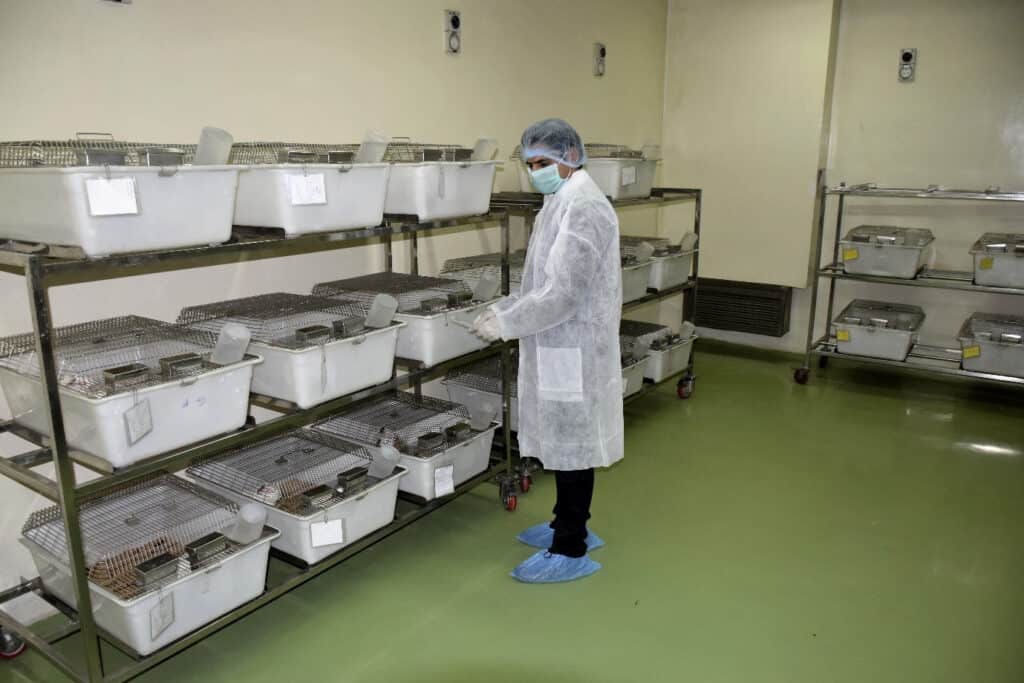
Upon acquisition or transfer, animals are typically quarantined. Detailed quarantine logs must be maintained, including:
- Duration of quarantine.
- Observations of animal behavior and health during quarantine.
- Medical interventions during the quarantine period.
Record Retention
Records related to the acquisition, transfer, and use of animals must be kept for a specified duration (usually 3-5 years). These records are crucial for CPCSEA audits, IAEC inspections, and compliance reporting. Both physical and electronic records should be maintained for accessibility during internal reviews and regulatory inspections.
4. Reporting Requirements
Annual Reporting to CPCSEA
Institutions must submit annual reports to CPCSEA, including:
- The number and species of animals acquired and transferred.
- Details of experiments conducted using the animals.
- Health and welfare records, including any incidents of harm, illness, or death.
IAEC Records: IAECs are responsible for maintaining comprehensive records of all acquisitions and transfers, including the rationale for animal use in specific experiments.
Incident Reporting
Any adverse events such as animal deaths, illnesses, or injuries during acquisition or transfer must be reported immediately to the IAEC and CPCSEA. Detailed records of these incidents must be maintained for future audits.
5. Institutional Responsibility
Training and Competency: Institutions are responsible for ensuring that all personnel involved in the acquisition and transfer of animals are adequately trained in ethical handling and transportation methods. Training records should be maintained as part of institutional documentation.
Periodic Audits: Regular internal audits should be conducted to ensure that all acquisition and transfer processes comply with CPCSEA guidelines. Records of these audits must be kept and made available for CPCSEA inspections.
Conclusion
Accurate and transparent record-keeping is essential to maintaining compliance with CPCSEA guidelines on the acquisition and transfer of animals for experimentation. Proper documentation helps ensure that animals are handled humanely, transported ethically, and used responsibly in scientific research. Through detailed acquisition, transfer, and reporting records, institutions can uphold ethical standards, foster accountability, and meet regulatory requirements effectively.