Malnutrition and Its Prevention: Malnutrition is not merely the absence of sufficient food—it is a silent and deeply rooted crisis that gnaws at the very foundation of human potential. It is both a cause and a consequence of disease, poverty, ignorance, and social inequality. A malnourished individual is not only physically weak, but also mentally impaired, emotionally fatigued, and socially vulnerable. It manifests when the body is deprived of the essential nutrients—proteins, vitamins, minerals, and energy—required for growth, repair, and sustenance of life.
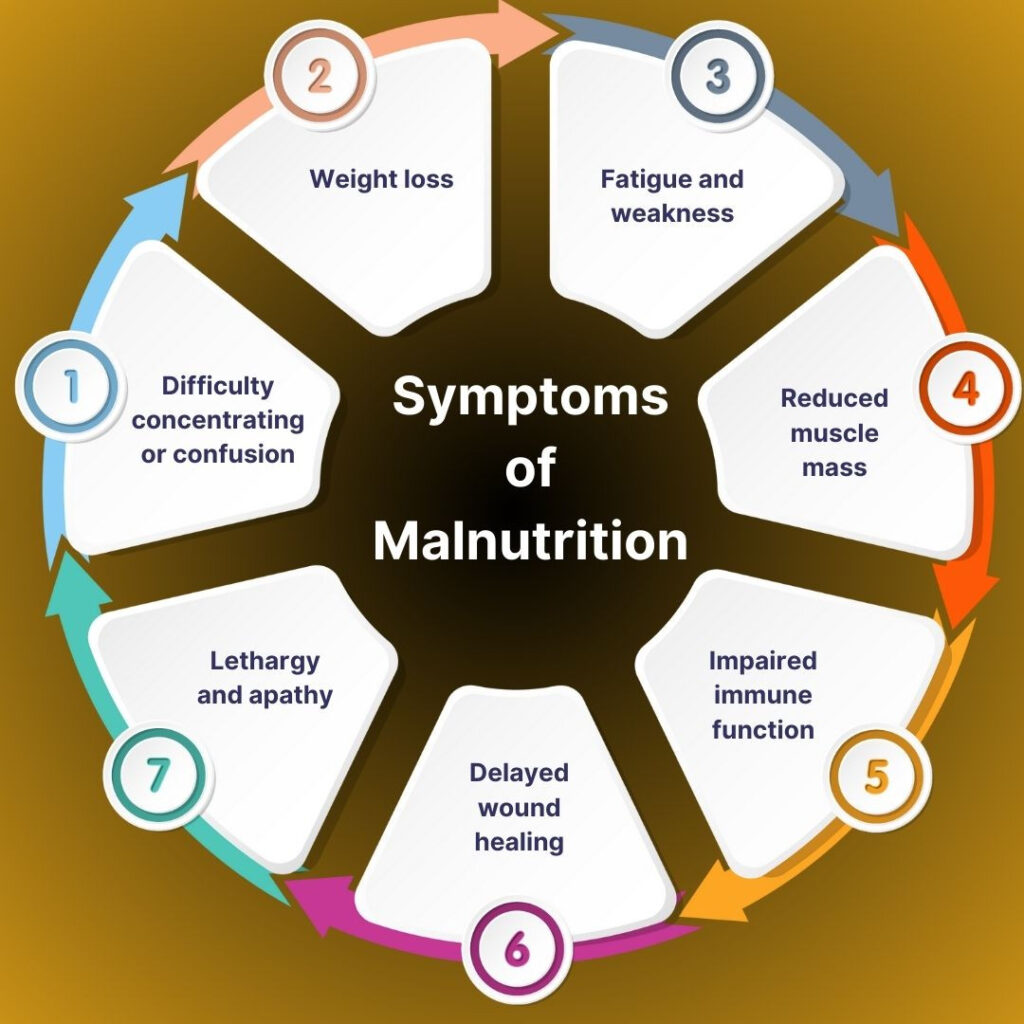
While the image of a thin, frail child with protruding ribs might come to mind, malnutrition today wears many faces—from the starving child in a rural village to the obese teenager in an urban high-rise who lives on junk food devoid of nourishment. Thus, malnutrition is not just undernutrition but also includes overnutrition and the hidden hunger of micronutrient deficiencies.
Malnutrition and Its Prevention
The Dual Faces of Malnutrition
1. Undernutrition
This is the more visible and historically recognized form. It includes:
- Stunting: Chronic undernourishment leading to reduced height for age.
- Wasting: Severe acute malnutrition marked by low weight for height.
- Underweight: Low weight for age, reflecting both acute and chronic undernutrition.
- Micronutrient Deficiencies: Often called “hidden hunger”—a silent killer that includes iron, iodine, vitamin A, and zinc deficiencies, affecting immunity, cognition, and productivity.
2. Overnutrition
Often overlooked, especially in developing nations undergoing nutritional transitions, overnutrition includes:
- Obesity and Overweight: Resulting from excessive intake of fats and sugars with minimal physical activity.
- Diet-related Non-Communicable Diseases (NCDs): Such as diabetes, cardiovascular diseases, and certain cancers.
Underlying Causes of Malnutrition
Malnutrition is a multi-dimensional phenomenon, not caused by food shortage alone, but by a tapestry of interwoven factors:
- Poverty: The root cause—where families cannot afford a balanced meal.
- Lack of Education: Particularly among mothers, leading to improper feeding practices.
- Inadequate Breastfeeding and Weaning: Robbing infants of immunity and nutrients.
- Food Insecurity: When availability, access, and quality of food are uncertain.
- Disease and Infections: Illnesses like diarrhea, TB, and parasitic infections exacerbate malnutrition.
- Social Neglect and Gender Discrimination: Often, girls eat last and least in many cultures.
It is important to recognize that malnutrition is not an isolated phenomenon, but a reflection of social injustice, unequal resource distribution, and policy failure.
Consequences of Malnutrition
The impact of malnutrition is profound, far-reaching, and often irreversible:
- In Children: Delayed development, poor academic performance, frequent illness, and increased mortality.
- In Women: Complications during pregnancy, delivery of low birth weight babies, and increased maternal death.
- In Adults: Reduced work capacity, chronic fatigue, poor immunity, and economic burden on families and society.
- In Nations: Loss of human capital, poor economic growth, and intergenerational cycles of poverty and ill health.
A malnourished child today may grow into an unproductive adult tomorrow—a loss not just to the family, but to the nation’s future.
Prevention of Malnutrition: A Moral and Public Health Imperative
1. Nutrition Begins at the Womb: The fight against malnutrition must begin before birth—with proper maternal nutrition, iron and folic acid supplementation, and antenatal care. The first 1,000 days of life (from conception to two years of age) are critical. A well-nourished mother gives birth to a well-nourished child.
2. Breastfeeding and Complementary Feeding: Exclusive breastfeeding for the first six months, followed by timely and appropriate complementary feeding, provides the best start to life. It is nature’s first vaccine and first food.
3. Dietary Diversity and Food Fortification: A balanced diet rich in cereals, pulses, fruits, vegetables, dairy, and proteins must be ensured. Where food is lacking in nutrients, fortified foods (like iodized salt, iron-fortified wheat, and vitamin A-fortified oil) must fill the gap.
4. Nutrition Education: Mothers, caregivers, school teachers, and even young children must be sensitized to the value of nutritious eating. Eating is not just about filling the stomach—it is about nourishing the soul, the mind, and the body.
5. Clean Water, Sanitation, and Hygiene (WASH): Malnutrition is often perpetuated by repeated infections. Safe drinking water, handwashing, and sanitation can reduce disease burden and improve nutrient absorption.
6. Social Safety Nets and Food Security Programs: Government-led initiatives like Mid-Day Meal Scheme, Integrated Child Development Services (ICDS), and POSHAN Abhiyaan are critical interventions in ensuring food and nutrition security for vulnerable populations.
Conclusion
Malnutrition is not merely a health issue—it is a social, economic, moral, and developmental challenge. Its persistence in a world of abundance is a painful paradox and a reminder of our failure to distribute resources equitably. Prevention of malnutrition demands not just medical interventions, but a collective awakening of conscience, policy transformation, and social reform.
It is our shared responsibility—as students, educators, policymakers, and citizens—to ensure that no child sleeps hungry, no woman suffers silently, and no life is cut short due to a lack of food or knowledge.
Check this: Click here