


Purgatives
Purgatives are pharmacological agents that promote the evacuation of the bowel by increasing intestinal motility or altering stool consistency. They act primarily on the intestinal mucosa, smooth muscles, or luminal contents to facilitate the passage of fecal matter.
In general pharmacology, purgatives are classified under the broad category of cathartics or laxatives — terms often used interchangeably, though they differ slightly in intensity of action.
- Laxatives: Mild agents that soften the stool and promote normal bowel evacuation without causing irritation.
- Purgatives: Stronger agents that cause more complete and prompt evacuation of the bowel.
- Drastic purgatives: Very strong purgatives that cause watery stool and may lead to significant fluid loss.
Thus, purgatives are often regarded as drugs that accelerate defecation by increasing peristalsis, altering stool consistency, or both.
2. Classification of Purgatives
Purgatives can be classified based on mechanism of action, site of action, or therapeutic intensity.
Below is a detailed classification:
A. Based on Mechanism of Action
(1) Bulk-Forming Purgatives
These agents increase the bulk of intestinal contents by absorbing water, leading to distension of the bowel wall and stimulation of peristaltic activity.
They mimic the physiological mechanism of dietary fiber.
Examples:
- Psyllium husk (Plantago ovata – Isabgol)
- Methylcellulose
- Bran (dietary fiber)
- Sterculia (gum karaya)
Mechanism:
- They are hydrophilic colloids that swell in water, increasing stool volume.
- Distension of the colon triggers peristaltic movement.
(2) Osmotic (Saline) Purgatives
These are non-absorbable salts or sugars that retain water in the intestinal lumen by osmotic action, thereby softening stools and promoting bowel evacuation.
Examples:
- Magnesium sulfate (Epsom salt)
- Magnesium hydroxide (Milk of magnesia)
- Sodium sulfate (Glauber’s salt)
- Lactulose
- Mannitol
- Sorbitol
- Polyethylene glycol (PEG)
Mechanism:
- Osmotic retention of water in the intestine increases luminal volume and stimulates peristalsis.
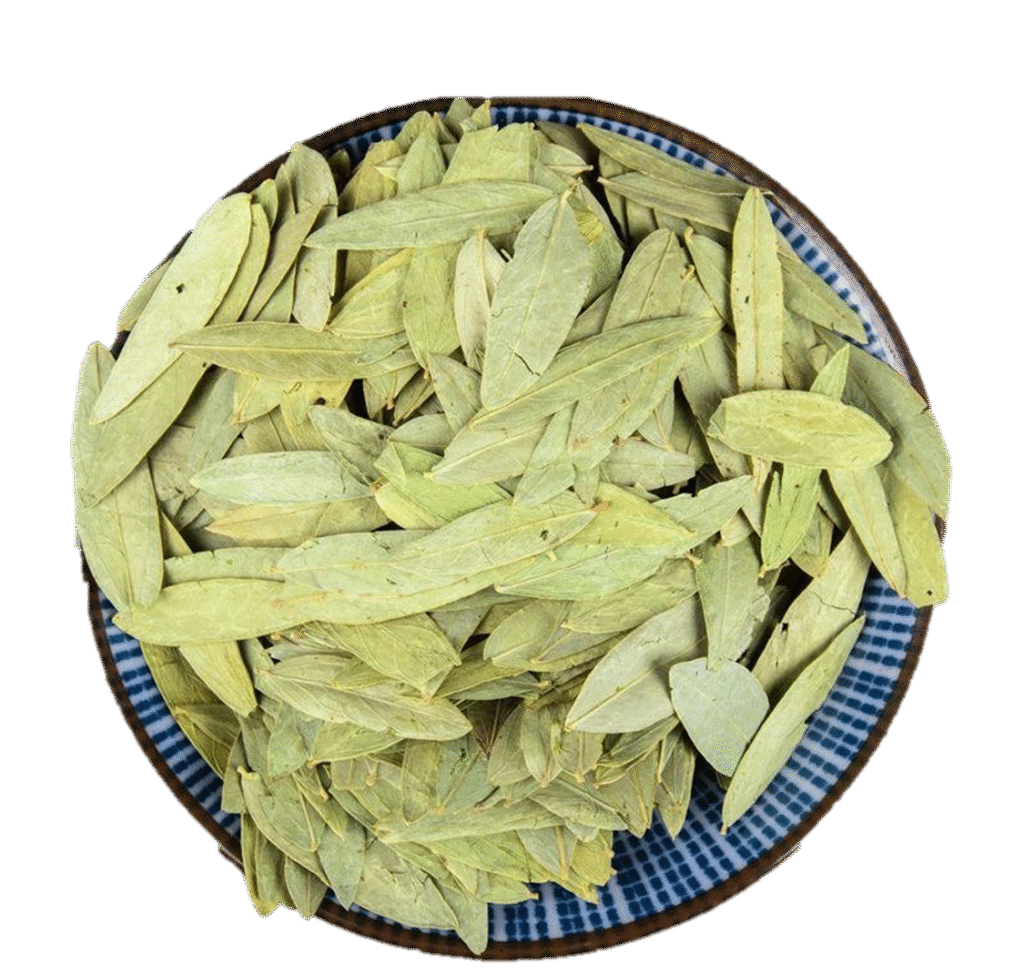
(3) Stimulant (Irritant) Purgatives
These act by directly stimulating intestinal mucosa and enhancing peristaltic contractions.
They may also cause mild inflammation of the intestinal mucosa, promoting secretion and motility.
Examples:
- Senna (sennosides)
- Cascara sagrada
- Bisacodyl
- Castor oil
- Aloe
- Phenolphthalein (historical use)

Mechanism:
- Stimulate enteric nerves to increase motility.
- Enhance fluid secretion and reduce absorption in the colon.
(4) Lubricant Purgatives
These agents soften and lubricate the fecal mass, facilitating its passage through the colon and rectum.
Examples:
- Liquid paraffin (mineral oil)
- Glycerin suppositories
- Docusate sodium (surface-active agent)
Mechanism:
- Coats stool and intestinal wall, reducing friction.
- Prevents water reabsorption from the fecal matter.
(5) Stool Softeners (Emollient Laxatives)
These act as wetting agents that reduce surface tension of stool, allowing water and lipids to penetrate the fecal mass.
Examples:
- Docusate sodium (dioctyl sodium sulfosuccinate)
- Liquid paraffin (also acts as lubricant)
Mechanism:
- Facilitate incorporation of water into stool to soften it.
(6) Hydragogue Purgatives
Strong purgatives that cause watery evacuation by producing copious excretion of water and electrolytes.
Examples:
- Sodium phosphate
- Magnesium sulfate
(7) Drastic (Powerful) Purgatives
They are very strong irritant purgatives that can cause intense peristalsis and may result in colic or dehydration.
Examples:
- Jalap
- Colocynth
- Croton oil
Note: These are rarely used clinically due to their potential for toxicity and severe irritation.
3. Uses / Therapeutic Applications
Purgatives are widely used in clinical and diagnostic settings for various therapeutic purposes.
(1) Constipation: Used to relieve constipation due to sedentary lifestyle, low-fiber diet, or medication (e.g., opioids, antacids).Bulk-forming and osmotic purgatives are preferred for chronic use.
(2) Bowel Preparation: Prior to colonoscopy, radiological examinations, or abdominal surgery, purgatives are given to cleanse the bowel.
Commonly used: Polyethylene glycol (PEG), sodium phosphate.
(3) Elimination of Toxins: Used to remove poisonous substances or ingested toxins (e.g., in food poisoning) from the gastrointestinal tract.
Example: Magnesium sulfate after ingestion of heavy metal salts.
(4) To Remove Intestinal Parasites: Purgatives assist in the expulsion of dead worms after administration of anthelmintic drugs.
(5) Reduction of Ammonia Absorption: Lactulose is used in hepatic encephalopathy to reduce blood ammonia by promoting its excretion in stool.
(6) Postoperative or Bedridden Patients: Mild purgatives help maintain regular bowel movements.
(7) Diagnostic Procedures: Employed before sigmoidoscopy or barium enema examination to clear the bowel.
4. Indications
Purgatives are indicated in the following conditions:
- Constipation (acute or chronic)
- Preparation for diagnostic procedures (colonoscopy, radiography)
- Preoperative bowel emptying
- Toxin or poison removal
- Elimination of dead parasites
- Hepatic coma or hepatic encephalopathy
- Postpartum and postoperative care where straining is undesirabl
5. Contraindications
Purgatives must be used with caution or avoided in the following situations:
- Intestinal obstruction or paralytic ileus – may worsen the condition or cause perforation.
- Acute abdominal pain of unknown origin (e.g., appendicitis, peritonitis).
- Inflammatory bowel diseases such as ulcerative colitis or Crohn’s disease, as purgatives can aggravate inflammation.
- Dehydration or electrolyte imbalance – osmotic purgatives can worsen fluid loss.
- Pregnancy – stimulant purgatives like castor oil or senna may induce uterine contractions.
- Hemorrhoids or anal fissures – strong purgatives can irritate the rectal mucosa.
- Elderly or debilitated patients – may cause excessive dehydration or hypotension.
- Nausea, vomiting, or severe cramps – purgatives can exacerbate gastrointestinal distress.
6. Adverse Effects (if Misused or Overused)
- Abdominal cramps and discomfort
- Diarrhea and electrolyte imbalance (especially loss of Na⁺, K⁺, Cl⁻)
- Dependence on laxatives (laxative abuse syndrome)
- Dehydration and weakness
- Rectal irritation or mucosal damage
- Nutrient malabsorption (in chronic use)
Summary Table
| Type of Purgative | Examples | Mechanism of Action | Onset of Action | Remarks |
| Bulk-forming | Isabgol, Methylcellulose | Increases bulk and water retention | 12–24 hrs | Safe for chronic use |
| Osmotic | MgSO₄, Lactulose, PEG | Retains water by osmotic action | 1–3 hrs | Useful for bowel cleansing |
| Stimulant | Senna, Bisacodyl, Castor oil | Stimulates intestinal motility | 6–12 hrs | Avoid chronic use |
| Lubricant | Liquid paraffin, Glycerin | Softens and lubricates stool | 6–8 hrs | Risk of lipid pneumonia |
| Stool softener | Docusate sodium | Reduces stool surface tension | 6–12 hrs | Mild and safe |
Key Precautions
- Always use mild laxatives first; strong purgatives only when necessary.
- Encourage high-fiber diet, adequate hydration, and exercise before prescribing purgatives.
- Avoid chronic or habitual use to prevent laxative dependence.
- Monitor electrolytes in long-term therapy.