


Nootropics, frequently referred to as “smart drugs” or cognitive enhancers, constitute a diverse category of substances that are reputed to improve various aspects of mental functioning. These substances are primarily used to enhance executive functions such as reasoning, problem-solving, and planning, as well as to improve memory, learning ability, motivation, creativity, and even mood in individuals who are otherwise healthy. The term “nootropic” originates from the Greek words “nous” meaning “mind” and “trepein” meaning “to bend” or “to turn,” collectively signifying substances that bend or modify the mind toward enhanced function.

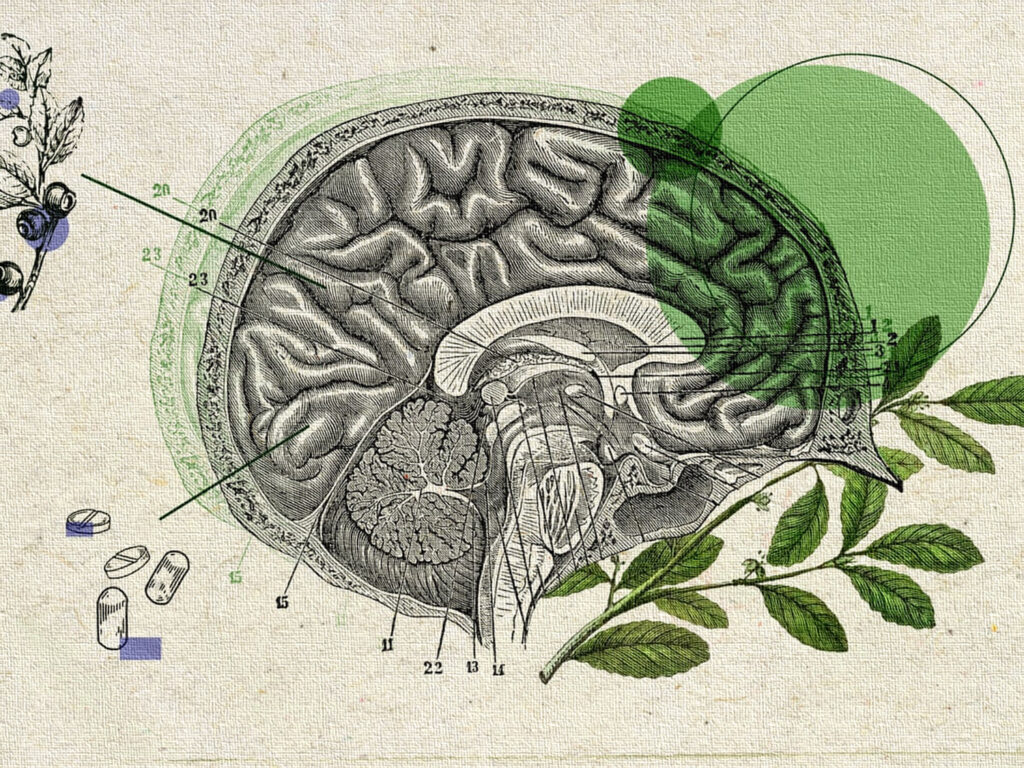
Classification of Nootropics
Nootropics can be broadly classified into several categories based on their origin, mechanism of action, and chemical structure. Each category offers unique benefits and potential mechanisms, ranging from neurotransmitter modulation to neuroprotection and mood regulation.
1. Racetams
Racetams are a well-established class of synthetic compounds recognized as some of the first substances labeled as nootropics. These agents are widely studied for their role in enhancing synaptic transmission and neuroplasticity by modulating neurotransmitters, especially acetylcholine and glutamate.
- Examples: Piracetam, Aniracetam, Oxiracetam
2. Cholinergics
Cholinergic nootropics function primarily by influencing acetylcholine levels, a neurotransmitter crucial for learning and memory. These compounds either serve as precursors to acetylcholine or enhance its activity in the central nervous system.
- Examples: Alpha-GPC, Citicoline
3. Ampakines
Ampakines are a class of experimental compounds known for enhancing cognitive processes by acting on AMPA receptors, which are involved in excitatory neurotransmission in the brain. These agents can improve synaptic response and neuronal communication.
- Examples: Sunifiram, Unifiram
4. Peptides
Peptide-based nootropics are short chains of amino acids designed to mimic natural neuropeptides in the brain. They often possess neuroprotective, cognitive-enhancing, and neuroregenerative properties.
- Examples: Noopept, Semax
5. Adaptogens
Adaptogens are naturally occurring compounds, mostly derived from herbs, that help the body resist the detrimental effects of stress. In addition to improving resilience to physical and mental stress, many adaptogens exert cognitive-enhancing properties.
- Examples: Rhodiola Rosea, Ashwagandha
6. Herbal Nootropics
These are plant-derived substances traditionally used in various medical systems, such as Ayurveda and Traditional Chinese Medicine, to support cognitive functions and brain health. They usually contain bioactive phytochemicals that influence brain activity.
- Examples: Ginkgo Biloba, Bacopa Monnieri
7. Vitamins and Minerals
Certain essential micronutrients play pivotal roles in brain development, neurotransmitter synthesis, and protection against neurodegeneration. Supplementation may improve cognitive performance, particularly in cases of nutritional deficiency.
- Examples: Vitamin B6, Vitamin B12, Magnesium
8. Stimulants
Stimulants are substances that promote alertness, focus, and wakefulness. Though not all are considered classic nootropics, their cognitive-enhancing effects—especially in the short term—make them widely used in academic and professional settings.
- Examples: Caffeine, Modafinil
9. Miscellaneous Compounds
This category includes a variety of substances with nootropic-like benefits that do not neatly fit into the above classifications. These often work through multiple mechanisms, including relaxation, neurogenesis, and improved blood flow.
- Examples: L-Theanine, Creatine
Mechanisms of Action of Nootropics
The pharmacological mechanisms underlying nootropics are as diverse as the substances themselves. Each category influences brain function in distinct ways, contributing to cognitive enhancement and neuroprotection.
Racetams
- Enhance communication between neurons by modulating neurotransmitters, especially acetylcholine and glutamate.
- Promote synaptic plasticity and memory formation.
- Improve cerebral blood flow and oxygen utilization, which supports brain metabolism.
Cholinergics
- Increase the synthesis and release of acetylcholine.
- Improve cholinergic signaling vital for attention, learning, and memory consolidation.
- May offer neuroprotective benefits by supporting neuron structure and function.
Ampakines
- Stimulate AMPA receptors, enhancing excitatory neurotransmission.
- Boost long-term potentiation (LTP), which is crucial for learning and memory.
- May elevate levels of Brain-Derived Neurotrophic Factor (BDNF), promoting synaptic growth.
Peptides
- Act similarly to natural neuropeptides, influencing a variety of neurotransmitter systems.
- Support neuroplasticity, memory encoding, and stress resilience.
- May modulate the release of BDNF and other neurotrophic agents.
Adaptogens
- Regulate the hypothalamic-pituitary-adrenal (HPA) axis to modulate the stress response.
- Reduce cortisol levels, thereby preventing cognitive decline due to chronic stress.
- Possess antioxidant and anti-inflammatory effects that support brain health.
Herbal Nootropics
- Contain phytochemicals like flavonoids, alkaloids, and terpenoids that enhance neurotransmission.
- Improve cerebral circulation and oxygen delivery to the brain.
- May exert neuroprotective effects through antioxidant mechanisms.
Vitamins and Minerals
- Serve as cofactors for enzymes involved in neurotransmitter synthesis and energy metabolism.
- Help maintain structural integrity of neurons.
- Combat oxidative stress and reduce inflammation associated with cognitive decline.
Stimulants
- Increase the availability of catecholamines such as dopamine and norepinephrine.
- Enhance mental alertness, focus, and wakefulness.
- Often used for combating fatigue and improving productivity in demanding situations.
Miscellaneous Compounds
- L-Theanine modulates GABA and glutamate to induce relaxation without sedation.
- Creatine enhances brain energy metabolism, supporting cognitive performance under stress.
- Various other agents work on diverse pathways, including mitochondrial support and neurogenesis.
Applications and Uses of Nootropics
The practical applications of nootropics span a wide spectrum, from academic and professional performance enhancement to clinical support in neurodegenerative diseases.
1. Cognitive Enhancement
- Utilized by students, professionals, and high-performers to improve focus, memory, learning capacity, and decision-making.
- May improve multitasking ability and mental endurance during long periods of concentration.
2. Neuroprotection
- Delay or reduce the progression of neurodegenerative disorders such as Alzheimer’s and Parkinson’s diseases.
- Support brain function in the elderly and in individuals with mild cognitive impairment.
3. Mood and Stress Regulation
- Certain nootropics help manage anxiety, depression, and mental fatigue by regulating neurotransmitters like serotonin, GABA, and dopamine.
- Support emotional stability and mental resilience in stressful environments.
4. Physical and Mental Performance
- Enhance motivation and energy levels, which indirectly boosts physical performance.
- Improve focus and reaction time in athletes and individuals engaged in high-stress professions.
5. Sleep and Wakefulness
- Aid in maintaining healthy sleep cycles or improving sleep quality.
- Some nootropics promote wakefulness and combat excessive daytime sleepiness, especially for shift workers or individuals with sleep disorders.
Potential Side Effects and Safety Concerns
While many nootropics are considered safe when used appropriately, side effects can occur, especially with misuse, high doses, or interactions with other medications.
Racetams
- Typically well-tolerated.
- Common adverse effects include headaches, insomnia, nausea, or gastrointestinal discomfort, especially when not paired with a choline source.
Cholinergics
- Can lead to cholinergic overload if taken in excess.
- Side effects may include nausea, dizziness, headaches, and digestive issues.
Ampakines
- Still under research; long-term safety in humans is not well-established.
- May cause overstimulation, insomnia, or anxiety.
Peptides
- Generally safe, but individual responses may vary.
- Some users report headaches, fatigue, or irritability.
Adaptogens
- Mostly safe when used in appropriate doses.
- Possible side effects include allergic reactions, dizziness, and gastrointestinal disturbances.
Herbal Nootropics
- Safety profiles vary based on purity, dosage, and source.
- Adverse effects may include headaches, nausea, or interactions with prescription medications.
Vitamins and Minerals
- Safe at recommended levels.
- Excessive intake (e.g., megadoses of vitamin B6) can cause toxicity and nerve damage.
Stimulants
- Risk of tolerance, dependence, and withdrawal.
- Side effects may include insomnia, anxiety, elevated heart rate, and hypertension.
Miscellaneous
- Side effects depend on the specific compound.
- L-Theanine is well-tolerated but can occasionally cause mild digestive discomfort.
Conclusion
Nootropics represent an expansive and promising field at the intersection of neuroscience, pharmacology, and nutrition. Whether synthetic or natural, these substances offer significant potential for enhancing mental clarity, focus, memory, and overall brain health. However, despite their benefits, it is essential to approach their use with caution. Understanding their mechanisms of action, appropriate usage, and potential side effects is vital to optimizing their benefits while minimizing health risks. Medical guidance is recommended, especially when using multiple nootropics or combining them with other medications.