


General Introduction
Mentha, commonly known as mint, is a genus of plants belonging to the Lamiaceae family, comprising about 25-30 species. These aromatic perennials are native to Europe, Asia, North America, and Africa. Mint plants are well known for their refreshing aroma, cooling sensation, and diverse applications in food, cosmetics, medicine, and aromatherapy.

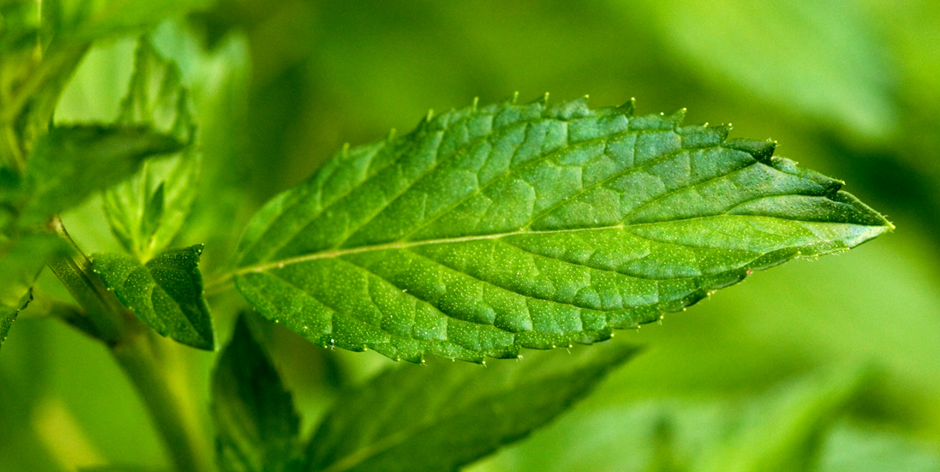
The most commonly used species include:
- Mentha piperita (Peppermint)
- Mentha spicata (Spearmint)
- Mentha arvensis (Japanese Mint)
Mint has been used for centuries for its medicinal, culinary, and aromatic properties.
Composition of Mentha
The major constituents of Mentha are volatile (essential) oils, which are responsible for its characteristic odor and medicinal properties. The composition of these oils varies with the species, growing conditions, and harvest time. Typical compounds include:
- Menthol: The primary component in peppermint, providing a cooling effect.
- Menthone: Contributes to the minty aroma.
- Menthyl acetate: A mint ester contributing to its fresh scent.
- Pulegone: Found in spearmint and pennyroyal, known for its aromatic properties.
- Carvone: The major constituent of spearmint, responsible for its sweet flavor.
Other compounds present in Mentha species include flavonoids, polyphenols, tannins, and terpenes, which contribute to the plant’s therapeutic and bioactive properties.
Chemistry & Chemical Classes
The key chemical classes in Mentha include:
1. Monoterpenes: These are the primary constituents of mint essential oils and include:
- Menthol: A cyclic monoterpene alcohol, giving peppermint its cooling and soothing properties.
- Menthone: A ketone form, contributing to its scent.
- Carvone: A monoterpene ketone found in spearmint, providing its sweet aroma.
2. Sesquiterpenes: Less volatile but important in bioactivity, examples include β-caryophyllene, which has anti-inflammatory properties.
3. Phenolic Compounds: Mint species are rich in phenolic acids and flavonoids, which contribute to their antioxidant and antimicrobial activity. Rosmarinic acid and luteolin are notable examples.
4. Tannins and Polyphenols: Present in small amounts, these compounds contribute to the antioxidant activity of mint extracts.
Biosources of Mentha
Mentha species grow abundantly in temperate climates across the world, especially in:
- Europe: Peppermint and spearmint are widely cultivated for commercial use in the food and pharmaceutical industries.
- India: Mentha arvensis (Japanese Mint) is grown on a large scale for menthol production.
- North America: Spearmint and peppermint are common, especially in the United States and Canada.
- Africa and Asia: Various species are grown for local medicinal and culinary purposes.
The cultivation of mint requires well-drained soils and adequate sunlight. Due to its invasive nature, mint spreads rapidly and can dominate areas if not controlled.
Therapeutic Uses
Mint has a broad range of therapeutic properties:
1. Digestive Aid: Menthol and carvone in mint help relax the muscles of the gastrointestinal tract, easing symptoms of indigestion, bloating, and irritable bowel syndrome (IBS). Peppermint oil is widely used in the management of IBS.
2. Antispasmodic: Menthol’s ability to relax smooth muscles helps relieve spasms, particularly in the digestive system.
3. Anti-inflammatory and Analgesic: The cooling sensation of menthol is used topically to relieve muscle pain, headaches, and inflammation. It also acts as a local anesthetic, providing pain relief.
4. Antimicrobial Activity: Essential oils from mint exhibit antimicrobial properties, effective against a variety of bacteria, fungi, and viruses. This makes them useful in treating infections and as natural preservatives.
5. Respiratory Health: Menthol is a common ingredient in decongestants and inhalants, helping to clear nasal passages and relieve symptoms of coughs, colds, and sinusitis.
6. Cognitive Enhancement: Aromatherapy with peppermint oil has been associated with improved alertness and cognitive performance, particularly in tasks requiring sustained attention.
7. Antioxidant Properties: The phenolic compounds in mint act as antioxidants, scavenging free radicals and protecting cells from oxidative stress.
Commercial Applications
Mint has diverse commercial applications due to its versatile properties:
1. Pharmaceutical Industry:
- Peppermint Oil: Used in capsules and liquid forms for treating digestive disorders, muscle pain, and headaches.
- Menthol: Used in topical ointments, lozenges, and nasal decongestants for its soothing, cooling effects.
2. Cosmetics and Personal Care:
- Mint oils are commonly used in toothpaste, mouthwash, shampoos, and skin care products due to their refreshing aroma, antimicrobial, and soothing properties.
- Menthol is also used in lip balms and cooling gels.
3. Food and Beverage Industry:
- Mint is widely used as a flavoring agent in chewing gum, candies, teas, and alcoholic beverages. Spearmint and peppermint extracts are particularly popular in these products.
- It is also used in sauces, salads, and confectioneries due to its refreshing taste and aroma.
4. Aromatherapy:
- Essential oils from peppermint and spearmint are widely used in aromatherapy for their ability to reduce stress, enhance focus, and provide relief from respiratory and digestive ailments.
5. Agriculture and Pesticides:
- Mint oils are used in natural pesticides and insect repellents due to their effectiveness in deterring pests.
6. Perfumery:
- Due to its distinctive aroma, menthol and mint extracts are used in perfumes, deodorants, and air fresheners.
Conclusion
Mentha is a highly valuable plant, both medicinally and commercially. The essential oils derived from mint have diverse pharmacological properties, such as analgesic, antispasmodic, antimicrobial, and anti-inflammatory activities. Mint plays a significant role in pharmaceutical formulations, personal care products, the food industry, and aromatherapy. Its global cultivation ensures its availability as a natural remedy and commercial product, making it one of the most important herbs in traditional and modern healthcare.