


Electrophysiology is a specialized branch of physiology that focuses on the study of electrical properties in biological cells, tissues, and organs. This field examines how electrical signals are generated, transmitted, and regulated within living organisms. By analyzing electrical currents and voltage fluctuations, electrophysiology provides vital insights into the functioning of the nervous system, cardiac tissues, and other electrically active cells.

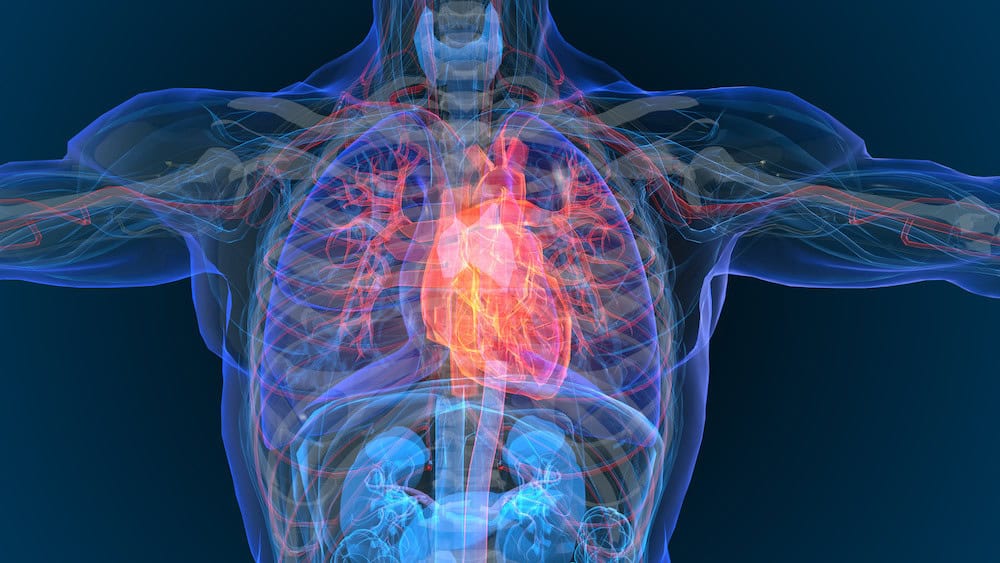
Electrophysiological principles are foundational to both neuroscience and cardiology, where they are used to explore how neurons fire, how synapses transmit signals, and how cardiac rhythms are maintained. These investigations are not only essential for advancing basic biological knowledge but also have critical applications in diagnosing and treating diseases.
Key Aspects of Electrophysiology
1. Neuronal Electrophysiology
Understanding the electrical behavior of neurons is fundamental to neuroscience. Electrophysiological methods allow researchers to explore how neurons generate and propagate electrical signals:
- Resting Membrane Potential: This refers to the steady-state electrical charge across the plasma membrane of a neuron when it is not actively firing. It typically ranges from -60 to -70 millivolts and is maintained by the unequal distribution of ions, especially sodium (Na⁺), potassium (K⁺), chloride (Cl⁻), and calcium (Ca²⁺), across the membrane. The sodium-potassium ATPase pump and selective permeability of the membrane are key to this process.
- Action Potential: An action potential is a rapid and temporary reversal of the membrane potential, allowing electrical signals to travel along the neuron’s axon. It involves a sequence of ion fluxes—initial sodium influx followed by potassium efflux—that depolarize and then repolarize the membrane.
- Ion Channels: Ion channels are membrane-spanning proteins that permit the selective movement of ions. Voltage-gated ion channels are especially important in initiating and propagating action potentials. Their dysfunction is implicated in numerous neurological disorders.
- Synaptic Transmission: Once an action potential reaches the end of an axon, it triggers the release of neurotransmitters into the synaptic cleft. These chemical messengers bind to receptors on the postsynaptic membrane, initiating a new electrical signal. This process is critical for interneuronal communication and brain function.
2. Cardiac Electrophysiology
Cardiac electrophysiology studies the electrical activity of the heart, which is vital for maintaining synchronized contraction and proper blood circulation:
- Cardiac Action Potential: Unlike neurons, cardiac action potentials have a plateau phase due to prolonged calcium influx, allowing sustained contraction of cardiac muscle fibers. Different regions of the heart exhibit unique action potential shapes (e.g., SA node, AV node, ventricular muscle), contributing to the orchestrated rhythm of the heart.
- Electrocardiogram (ECG or EKG): An ECG records the composite electrical activity of the heart as detected from the body’s surface. It provides a non-invasive diagnostic tool to assess heart rate, rhythm, and detect abnormalities like arrhythmias, myocardial infarctions, and conduction blocks.
- Ion Channels in the Heart: Key ion channels involved in cardiac function include:
- Sodium channels (Na⁺): Rapid depolarization
- Calcium channels (Ca²⁺): Plateau phase
- Potassium channels (K⁺): Repolarization Alterations in these channels’ functions can result in arrhythmic conditions and other cardiac pathologies.
3. Experimental Techniques in Electrophysiology
Modern electrophysiology relies on precise and sophisticated tools to measure electrical activity at cellular and tissue levels:
- Patch Clamp Technique: This method involves using a fine-tipped glass pipette to form a tight seal with a cell membrane, allowing researchers to record currents through individual ion channels. It has revolutionized our understanding of channelopathies and synaptic transmission.
- Voltage Clamp Technique: This method enables the control of membrane potential while measuring ionic currents, helping to decipher the kinetics and properties of specific ion channels.
- Intracellular and Extracellular Recordings:
- Intracellular recording involves placing an electrode inside the cell to measure its membrane potential directly.
- Extracellular recording detects field potentials around neurons or muscle fibers, useful in multi-unit recordings and brain mapping studies.
4. Clinical Applications
Electrophysiological studies have widespread clinical implications:
- Arrhythmia Diagnosis and Treatment: Abnormal electrical conduction in the heart can lead to arrhythmias. Electrophysiological testing and mapping are used to identify the source of arrhythmias and guide treatments like radiofrequency ablation or implantable cardioverter-defibrillators (ICDs).
- Neurological Disorders: Electrophysiology aids in the diagnosis and research of conditions such as:
- Epilepsy: Abnormal hyperexcitable neuronal circuits
- Multiple sclerosis: Impaired signal conduction due to demyelination
- Neuropathies: Changes in nerve conduction velocity
Techniques such as electroencephalography (EEG) and nerve conduction studies (NCS) are routinely employed.
5. Biological Significance
Cellular Communication:Electrical signals are fundamental to intercellular communication, especially in the nervous and muscular systems. These signals allow for the rapid coordination of responses necessary for survival.
Disease Mechanisms: Electrophysiological alterations can be both symptoms and causes of disease. For example:
Mutations in ion channels (channelopathies) can cause epilepsy or long QT syndrome.
Neuronal hyperexcitability may underlie chronic pain or depression.
Ischemia-induced changes in cardiac electrophysiology may trigger sudden cardiac arrest.
Conclusion
Electrophysiology provides a powerful lens through which scientists and clinicians can examine the dynamic electrical activities that govern essential life functions. By bridging molecular mechanisms and physiological responses, this field not only enhances our understanding of normal biology but also aids in the diagnosis and treatment of a wide spectrum of neurological and cardiovascular disorders. As technologies advance, electrophysiology continues to uncover new insights into how the body communicates, adapts, and sometimes malfunctions at the cellular level.