


General Introduction
Coriander (Coriandrum sativum), also known as cilantro (for its leaves) or Chinese parsley, is a herb from the Apiaceae family. It is native to regions spanning Southern Europe, North Africa, and Southwestern Asia. The plant is grown for both its leaves and seeds, which are extensively used in culinary practices across various cultures.

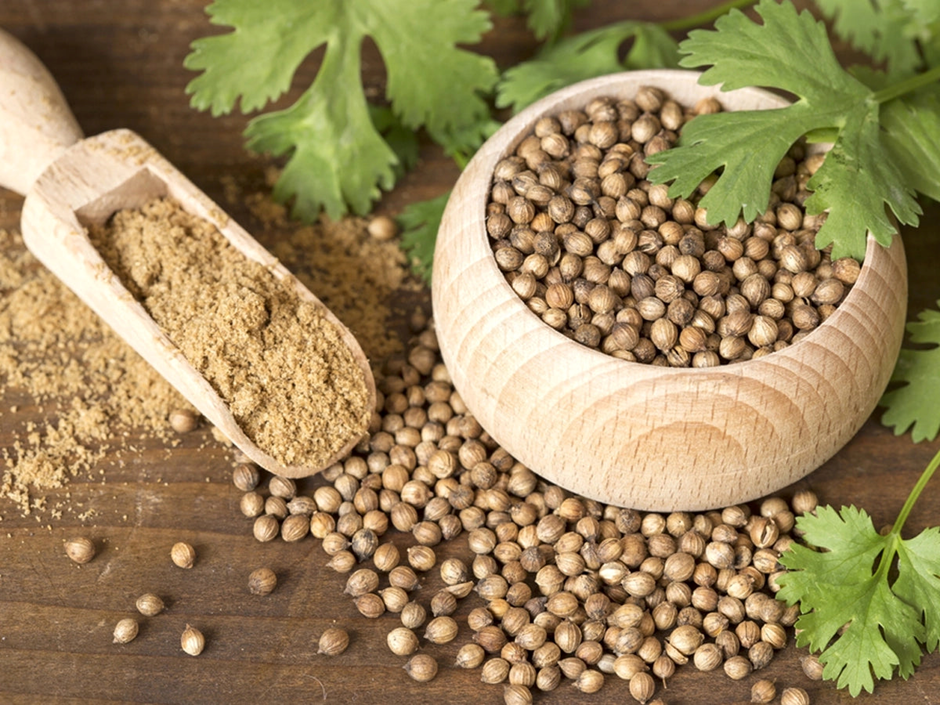
Coriander is unique because both its leaves and seeds are used for different purposes. The seeds are typically dried and ground to form a spice, while the leaves are often used fresh as a garnish or herb. Coriander seeds have been a staple in traditional medicine systems like Ayurveda, Unani, and traditional Chinese medicine for their digestive, carminative, and anti-inflammatory properties.
Composition of Coriander
Coriander seeds and leaves contain different types of bioactive compounds:
- Essential Oils:
Linalool (60-70%): The major compound responsible for the characteristic fragrance of coriander seeds.
Geranyl acetate, camphor, borneol, and p-cymene: Other components of the essential oil with therapeutic benefits.
- Phenolic Compounds:
Flavonoids: Such as quercetin, kaempferol, and apigenin, providing antioxidant and anti-inflammatory properties.
- Fatty Acids:
Coriander seeds are a good source of omega-6 fatty acids like linoleic acid.
Carbohydrates: Coriander seeds contain around 50% carbohydrates, which contribute to their nutritional value.
Vitamins: Rich in vitamin C, vitamin K, and vitamin A, particularly in the leaves.
Minerals: Coriander is high in potassium, calcium, magnesium, and iron.
Chemistry & Chemical Classes of Coriander
The main chemical classes found in coriander include:
1. Monoterpenes:
- Linalool: This monoterpene is the dominant compound in coriander seeds and leaves. It is responsible for the pleasant citrus-like fragrance and provides various medicinal properties, including anti-inflammatory and antimicrobial effects.
- Geranyl acetate and camphor: These monoterpenes contribute to the overall aromatic profile of coriander and provide medicinal properties like pain relief and digestive benefits.
2. Flavonoids:
- Quercetin and kaempferol: Powerful antioxidants found in coriander leaves that help neutralize free radicals and reduce inflammation.
3. Phenolic acids:
- Compounds like caffeic acid and ferulic acid give coriander its antioxidant properties and help protect cells from oxidative damage.
4. Fatty Acids:
- Coriander seeds contain oleic acid, linoleic acid, and petroselinic acid, which contribute to its beneficial effects on skin health and cardiovascular health.
5. Coumarins:
- Umbelliferone and scopoletin are present in small amounts in coriander, which exhibit antioxidant and antimicrobial activities.
6. Carotenoids:
- Beta-carotene and lutein are present in coriander leaves, contributing to their nutritional value and antioxidant effects.
Biosources of Coriander
Coriander is cultivated worldwide, especially in temperate climates. Major producers include:
- India: The largest producer and consumer of coriander seeds, mainly grown in Rajasthan, Gujarat, and Madhya Pradesh.
- Mexico, Egypt, and Morocco: These countries are major exporters of coriander seeds and leaves.
- China: Another significant producer, especially of coriander leaves used in culinary dishes.
Coriander thrives in well-drained soils under full sunlight, making it a common crop in arid and semi-arid regions.
Therapeutic Uses of Coriander
Coriander has a long history of use in traditional medicine systems due to its therapeutic properties:
1. Digestive Aid: Coriander seeds are known for their carminative effects, helping to relieve indigestion, bloating, and gas. The essential oils stimulate the production of digestive enzymes, improving digestion and promoting appetite.
2. Anti-inflammatory: Linalool and flavonoids in coriander possess anti-inflammatory properties, making it useful for conditions like arthritis and inflammatory bowel disease (IBD).
3. Antimicrobial: Coriander essential oil has shown antibacterial and antifungal activities. The linalool in coriander is particularly effective against harmful bacteria like E. coli and Staphylococcus aureus.
4. Antioxidant: Flavonoids and phenolic compounds in coriander, particularly quercetin and apigenin, help neutralize free radicals and reduce oxidative stress. This property can protect against chronic diseases such as cardiovascular diseases and cancer.
5. Cholesterol-lowering: Some studies suggest that coriander seeds help lower LDL (bad) cholesterol while raising HDL (good) cholesterol due to their fiber and essential oil content.
6. Hypoglycemic Effect: Coriander seeds have been traditionally used to lower blood sugar levels in patients with type 2 diabetes by promoting insulin release and improving glucose metabolism.
7. Antispasmodic: Coriander seeds and leaves are used to alleviate muscle spasms and cramps due to their calcium channel-blocking effects.
8. Menstrual Health: Coriander seeds have been traditionally used to promote menstrual health and reduce symptoms of PMS due to their mild estrogen-like effects.
9. Skin Health: Coriander’s antioxidant and anti-inflammatory properties make it a common ingredient in skin care treatments, particularly for conditions like acne, eczema, and dermatitis.
Commercial Applications
Coriander is widely used in the food, pharmaceutical, and cosmetic industries. Some of the key applications include:
1. Food Industry:
- Coriander seeds are widely used as a spice in Indian, Middle Eastern, and Latin American cuisines. Ground coriander seeds are used in spice blends like garam masala, curry powder, and Mexican seasoning.
- Coriander leaves (cilantro) are used as an herb in soups, salads, and garnishes, especially in Mexican, Indian, and Asian dishes.
- Coriander oil is used in food flavoring, particularly in processed foods, beverages, and liqueurs.
2. Pharmaceutical Industry:
- Coriander’s essential oil is used in the formulation of various digestive aids, antispasmodic drugs, and skin ointments.
- It is also used in traditional medicines for treating indigestion, diabetes, and inflammatory disorders.
3. Cosmetic Industry:
- Coriander oil and extracts are used in cosmetic formulations for their antioxidant, anti-inflammatory, and antimicrobial properties. They are commonly found in products like lotions, soaps, and anti-aging creams.
- Coriander is also used in aromatherapy due to its calming and mood-enhancing effects.
4. Perfume and Fragrance Industry:
- Coriander essential oil is widely used in the fragrance industry for its refreshing, spicy aroma. It is an ingredient in perfumes, colognes, and even in some household products like candles and air fresheners.
5. Animal Feed:
- Coriander seeds and leaves are sometimes added to animal feed to enhance the flavor and provide potential health benefits for livestock.
Conclusion
Coriander is a versatile plant with wide-ranging culinary, medicinal, and commercial applications. Its rich content of linalool, flavonoids, and other bioactive compounds makes it beneficial for digestive health, inflammation reduction, antimicrobial effects, and blood sugar regulation. With significant uses in the food, pharmaceutical, and cosmetic industries, coriander continues to be an important herb and spice in many parts of the world.