


General Introduction
Cinnamon is one of the oldest known spices, derived from the inner bark of trees belonging to the Cinnamomum genus, primarily Cinnamomum verum (True Cinnamon or Ceylon Cinnamon) and Cinnamomum cassia (Cassia). It is native to Sri Lanka, India, China, and Southeast Asia. Cinnamon is highly valued for its sweet, warm aroma and flavor, as well as its medicinal properties.

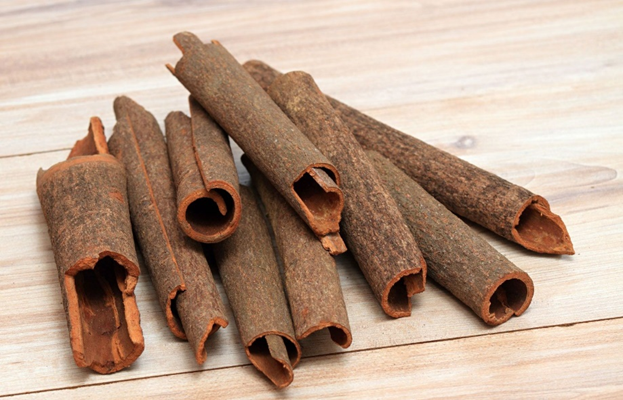
Ceylon Cinnamon is considered “true cinnamon” and is lighter and sweeter, while Cassia Cinnamon has a stronger, spicier flavor. Both types have been used for centuries in traditional medicine, as a culinary spice, and in aromatherapy.
Composition of Cinnamon
Cinnamon contains a range of bioactive compounds, primarily essential oils and phenolic compounds. The key components include:
- Essential Oil (1-5%):
Cinnamaldehyde: The main active ingredient, accounting for 60-80% of the oil, responsible for the distinctive aroma and medicinal properties.
Eugenol: Found in higher amounts in Ceylon cinnamon, it contributes to the sweet aroma and has various health benefits.
Camphor, linalool, coumarin (in cassia), and benzyl benzoate.
- Phenolic Compounds: These contribute to the antioxidant and anti-inflammatory properties of cinnamon:
Cinnamic acid
Caffeic acid
Procyanidins and Catechins (flavonoids)
- Tannins and Mucilage: These compounds contribute to cinnamon’s digestive benefits.
The composition varies based on the species, with Ceylon cinnamon having lower amounts of coumarin, a compound with potential hepatotoxic effects in large doses, compared to Cassia cinnamon.
Chemistry & Chemical Classes
The chemical makeup of cinnamon falls into several major classes:
1. Aldehydes:
Cinnamaldehyde: The most abundant compound in cinnamon, particularly in C. cassia. It contributes to its antimicrobial, antioxidant, and anti-inflammatory properties.
2. Phenols:
Eugenol: Found more in Ceylon cinnamon, it is responsible for cinnamon’s pleasant, clove-like scent and contributes to its antiseptic properties.
3. Coumarins:
Coumarin: Present in higher concentrations in Cassia cinnamon, this compound can have anticoagulant properties but may cause liver toxicity in large amounts.
4. Terpenoids:
Linalool, Caryophyllene, and other terpenes add to cinnamon’s fragrance and are involved in its anti-inflammatory activity.
5. Flavonoids:
Procyanidins and Catechins: These compounds provide antioxidant effects, neutralizing free radicals and protecting cells from damage.
6. Volatile Oils:
Compounds like safrole, cinnamyl acetate, and linalool contribute to the aroma and bioactive properties of cinnamon.
Biosources of Cinnamon
Cinnamon is cultivated in tropical regions around the world, with the major biosources being:
- Sri Lanka: The primary source of Ceylon cinnamon (C. verum), also known as “true cinnamon.”
- China, Indonesia, and Vietnam: Major producers of Cassia cinnamon (C. cassia), which is more common in the global spice market due to its lower cost and stronger flavor.
- India, Bangladesh, and Myanmar: Grow both types of cinnamon for local and export markets.
Cinnamon trees thrive in tropical climates with well-drained soils, and the inner bark is harvested once the trees are about 2-3 years old.
Therapeutic Uses
Cinnamon has been recognized for its wide range of therapeutic uses in traditional medicine, particularly in Ayurveda and Chinese medicine. Some of its key therapeutic applications include:
1. Antioxidant: The high concentration of polyphenols and flavonoids in cinnamon, particularly cinnamaldehyde, gives it potent antioxidant properties, protecting cells from oxidative stress and free radical damage. This is crucial in preventing chronic diseases such as cancer, cardiovascular diseases, and neurodegenerative conditions.
2. Antimicrobial: Cinnamaldehyde and eugenol in cinnamon have broad-spectrum antibacterial, antifungal, and antiviral properties. Cinnamon oil is particularly effective against oral bacteria and fungal infections like Candida.
3. Anti-inflammatory: Cinnamon’s bioactive compounds, especially cinnamaldehyde, have anti-inflammatory effects, reducing the production of inflammatory cytokines. This makes cinnamon useful in managing inflammatory conditions such as arthritis and respiratory infections.
4. Blood Sugar Regulation: Cinnamon has been widely studied for its potential to lower blood glucose levels by improving insulin sensitivity and increasing glucose uptake by cells. This makes it beneficial for individuals with type 2 diabetes or insulin resistance.
5. Cardiovascular Health: Cinnamon can help reduce cholesterol and triglycerides, making it beneficial for heart health. Its antioxidant properties also protect blood vessels from oxidative damage, reducing the risk of atherosclerosis.
6. Digestive Aid: Cinnamon is traditionally used to alleviate digestive disorders such as indigestion, bloating, and nausea. Its carminative properties help to expel gas and promote digestion.
7. Neurological Protection: Cinnamon may offer neuroprotective effects, potentially slowing the progression of neurodegenerative diseases like Alzheimer’s and Parkinson’s by reducing inflammation and oxidative stress in the brain.
8. Weight Management: Some studies suggest that cinnamon may help boost metabolism and reduce appetite, aiding in weight management and fat loss.
Commercial Applications
Cinnamon is used in a variety of industries due to its flavor, aroma, and bioactive properties:
1. Food and Beverage Industry:
- Cinnamon spice is widely used as a flavoring agent in both sweet and savory dishes, baked goods, desserts, teas, and beverages like mulled wine. It is also a component of spice blends such as garam masala and pumpkin spice.
- Cinnamon oil is used in flavoring candies, chewing gum, and beverages.
2. Pharmaceutical Industry:
- Cinnamon extracts and essential oils are used in medicinal formulations, especially for digestive issues, diabetes management, and cold relief.
- It is used in toothpaste and mouthwashes due to its antimicrobial effects, helping to prevent bad breath and oral infections.
3. Cosmetics and Personal Care:
- Cinnamon is used in various cosmetics and skincare products due to its antioxidant and antimicrobial properties. It is also found in shampoos, lip balms, and body lotions.
- Cinnamon oil is used in aromatherapy for its invigorating and warming properties.
4. Aromatherapy:
- The essential oil of cinnamon is widely used in aromatherapy for its stimulating effects, enhancing focus and reducing mental fatigue. It also has mood-boosting properties.
5. Traditional Medicine:
- Cinnamon plays a significant role in Ayurvedic and Traditional Chinese Medicine, where it is used to treat colds, respiratory issues, digestive problems, and joint pain.
6. Preservative:
- Due to its potent antimicrobial and antioxidant properties, cinnamon is used as a natural preservative in the food industry, preventing spoilage and extending the shelf life of perishable products.
Conclusion
Cinnamon is an incredibly versatile spice with a wide range of medicinal and commercial applications. Its active compounds, especially cinnamaldehyde, provide numerous therapeutic benefits, including antioxidant, anti-inflammatory, antimicrobial, and blood sugar-lowering effects. Cinnamon is a vital spice in both the food and pharmaceutical industries, making it an important resource for health and wellness.